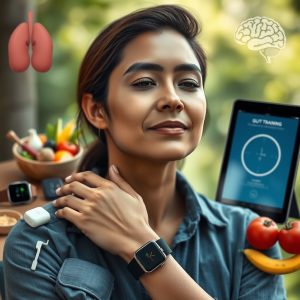
Beyond the Pill: How Digital Therapeutics Are Reshaping Patient Care in the 21st Century

In an era where technology permeates every aspect of our lives, healthcare is undergoing a quiet revolution—one that doesn’t always involve a prescription pad or a sterile clinic. Digital therapeutics (DTx) are emerging as a powerful complement to traditional medicine, offering evidence-based interventions delivered through software to prevent, manage, or treat medical conditions. From chronic disease management to mental health support, these tools are redefining what it means to receive care, placing patients at the center of their own healing journey.
The Rise of Software as Medicine
Digital therapeutics are not merely wellness apps or fitness trackers. They are clinically validated, often FDA-approved solutions that leverage behavioral science, artificial intelligence, and real-time data to drive meaningful health outcomes. Unlike conventional drugs, which act on the body’s biochemistry, DTx work by modifying behavior, enhancing adherence, and providing personalized feedback—all through the screen of a smartphone or wearable device.
One of the most compelling examples is the use of DTx in diabetes management. Apps like BlueStar and Omada Health combine glucose monitoring with AI-driven coaching, helping patients make real-time adjustments to their diet, exercise, and medication. Studies have shown that these interventions can lead to significant reductions in HbA1c levels, rivaling the efficacy of some pharmaceuticals. The difference? They do so without the side effects or the need for additional pills.
Bridging the Gap Between Pharma and Tech
The integration of digital therapeutics into mainstream healthcare has not been without challenges. Regulatory bodies, insurers, and clinicians have had to adapt to a new paradigm where software is prescribed alongside—or even instead of—traditional medications. However, the potential benefits are too significant to ignore. DTx can fill critical gaps in care, particularly for conditions where adherence is low, such as hypertension or depression. They also offer a scalable solution for preventive care, reaching populations that might otherwise lack access to specialist services.
Pharmaceutical companies are taking notice. Many are now partnering with DTx developers to create hybrid treatment models, where drugs and digital tools work in tandem. For instance, Pear Therapeutics has developed reSET, a prescription digital therapeutic for substance use disorder that is used alongside medication-assisted treatment. The synergy between pharmacology and digital intervention is proving to be greater than the sum of its parts.
Personalization at Scale
One of the most transformative aspects of digital therapeutics is their ability to deliver personalized care at scale. Traditional medicine often relies on a one-size-fits-all approach, where treatments are standardized based on population-level data. DTx, however, can adapt in real time to an individual’s unique needs, preferences, and responses. Machine learning algorithms analyze user data to refine recommendations, ensuring that interventions remain relevant and effective over time.
Consider the case of mental health. Apps like Woebot and SilverCloud use cognitive behavioral therapy (CBT) techniques to provide on-demand support for anxiety and depression. These platforms don’t just offer generic advice; they tailor their interactions based on user input, creating a dynamic and responsive therapeutic experience. For many patients, this level of personalization can make the difference between feeling heard and feeling lost in the system.
The Role of AI in Shaping the Future
Artificial intelligence is the backbone of many digital therapeutics, enabling them to process vast amounts of data and generate insights that would be impossible for a human clinician to uncover alone. AI-driven DTx can predict flare-ups in chronic conditions, identify patterns in patient behavior, and even detect early signs of deterioration. For example, Current Health uses AI to monitor patients with heart failure, alerting healthcare providers to potential complications before they become critical.
The potential of AI in DTx extends beyond monitoring. It can also enhance the development of new interventions by identifying novel therapeutic targets or optimizing treatment protocols. As AI continues to evolve, so too will the capabilities of digital therapeutics, making them an increasingly indispensable tool in modern medicine.
Overcoming Barriers to Adoption
Despite their promise, digital therapeutics face several hurdles on the path to widespread adoption. One of the biggest challenges is ensuring that these tools are accessible to all patients, regardless of their technological literacy or socioeconomic status. There is also the issue of data privacy, as DTx rely on sensitive health information that must be protected from breaches and misuse.
Another barrier is the need for robust clinical evidence. While many DTx have demonstrated efficacy in trials, long-term real-world data is still limited. Healthcare providers and insurers are understandably cautious about adopting new technologies without a clear understanding of their long-term benefits and risks. However, as more studies are published and regulatory frameworks mature, confidence in DTx is likely to grow.
The Patient-Centric Revolution
At its core, the rise of digital therapeutics reflects a broader shift in healthcare toward patient-centric care. These tools empower individuals to take an active role in managing their health, providing them with the knowledge and support they need to make informed decisions. For conditions like obesity, where lifestyle changes are often the first line of defense, DTx can offer the structure and accountability that many patients struggle to maintain on their own.
Moreover, digital therapeutics are not bound by the constraints of traditional healthcare delivery. They can reach patients in remote or underserved areas, offering a lifeline to those who might otherwise go without care. In this way, DTx are not just complementing traditional medicine—they are democratizing it, making high-quality healthcare accessible to anyone with a smartphone and an internet connection.
The integration of digital therapeutics into healthcare is still in its early stages, but the trajectory is clear. As technology continues to advance and our understanding of human health deepens, these tools will play an increasingly central role in how we prevent, manage, and treat disease. The future of medicine is not just about what we take—it’s about what we do, how we think, and how we engage with our own well-being. In this new landscape, the most powerful prescription might just be the one we carry in our pockets.