The Future of Healing: How Microbiome Therapeutics Are Transforming Personalized Medicine
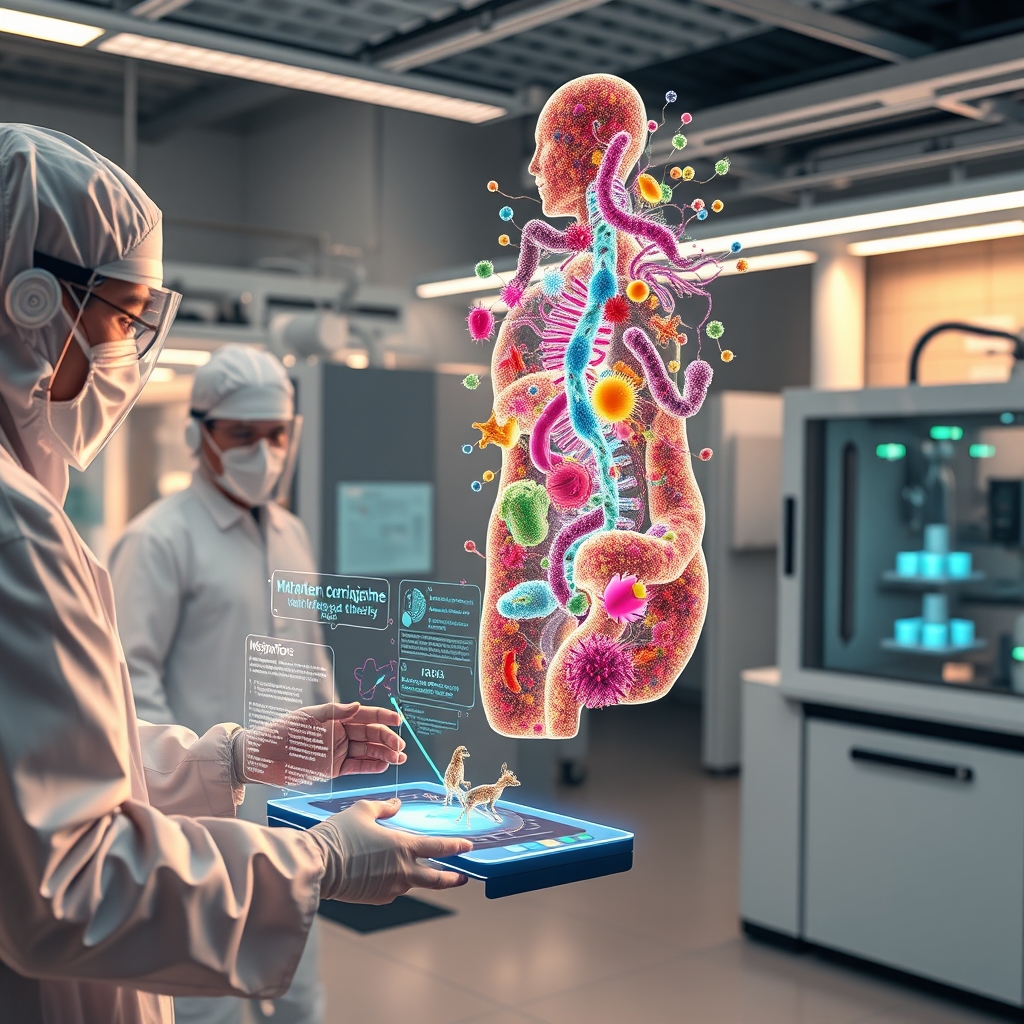
The human body is a complex ecosystem, teeming with trillions of microorganisms that play a pivotal role in our health. For decades, medicine has largely overlooked this microscopic world, focusing instead on treating symptoms rather than addressing the root causes of disease. However, a paradigm shift is underway. Microbiome therapeutics—a cutting-edge field at the intersection of biology, pharmacology, and personalized medicine—is redefining how we approach treatment, prevention, and even longevity. By harnessing the power of the body’s own microbial communities, scientists are unlocking new frontiers in healthcare that were once thought impossible.
The Science Behind the Microbiome
The microbiome refers to the collection of bacteria, viruses, fungi, and other microorganisms that reside in and on the human body, with the gut microbiome being the most studied. These microbes are not mere passengers; they are active participants in critical bodily functions, including digestion, immune regulation, metabolism, and even brain function. Disruptions in the microbiome—known as dysbiosis—have been linked to a wide range of conditions, from inflammatory bowel disease and obesity to depression and neurodegenerative disorders. This growing body of evidence has spurred researchers to explore how manipulating the microbiome could lead to groundbreaking therapies.
From Observation to Intervention
Early microbiome research was largely observational, correlating microbial imbalances with disease states. Today, the field has evolved into a dynamic area of intervention. One of the most promising approaches is the use of fecal microbiota transplantation (FMT), where stool from a healthy donor is transferred to a patient to restore microbial balance. FMT has already shown remarkable success in treating recurrent Clostridioides difficile infections, a condition that can be life-threatening and resistant to conventional antibiotics. Beyond FMT, scientists are developing next-generation probiotics—engineered strains of bacteria designed to target specific diseases—and prebiotics, which nourish beneficial microbes already present in the gut.
Microbiome Therapeutics in Action
The potential applications of microbiome therapeutics are vast and varied. In metabolic health, for example, researchers are exploring how certain gut bacteria influence weight gain and insulin resistance. Clinical trials are underway to test whether microbiome-based interventions can complement or even replace traditional weight loss medications by addressing the underlying microbial imbalances that contribute to obesity. Similarly, in autoimmune diseases, such as rheumatoid arthritis and multiple sclerosis, studies suggest that modulating the microbiome could help regulate the immune system’s overactive response, offering a more targeted and less invasive alternative to immunosuppressive drugs.
Mental Health and the Gut-Brain Axis
One of the most fascinating areas of microbiome research is its connection to the brain. The gut-brain axis—a bidirectional communication network between the gut and the central nervous system—has emerged as a key player in mental health. Studies have shown that individuals with depression, anxiety, and even autism spectrum disorders often exhibit distinct microbial profiles. This has led to the development of psychobiotics, a class of probiotics that may improve mental health by influencing neurotransmitter production and reducing inflammation. While still in its early stages, this research could revolutionize the treatment of psychiatric disorders, offering hope to millions who struggle with conditions that are often resistant to traditional therapies.
Challenges and Ethical Considerations
Despite its promise, microbiome therapeutics faces several hurdles. One of the biggest challenges is the individual variability of microbiomes. What works for one person may not work for another, making it difficult to develop one-size-fits-all treatments. This is where personalized medicine comes into play. By leveraging advances in genomic sequencing and artificial intelligence diagnostics, researchers can analyze a patient’s unique microbial composition and tailor therapies accordingly. However, this level of personalization also raises ethical questions about data privacy, consent, and the potential for misuse of genetic information.
The Road to Regulatory Approval
Another significant challenge is the regulatory landscape. Unlike traditional drugs, which have well-established pathways for approval, microbiome-based therapies are still navigating uncharted territory. Regulatory agencies like the FDA and EMA are working to establish guidelines for these novel treatments, but the process is complex. For instance, how do you standardize a therapy that relies on living organisms, which can evolve and adapt over time? How do you ensure consistency in manufacturing and dosing? These are questions that researchers, regulators, and industry leaders must address to bring microbiome therapeutics to the mainstream.
The Future of Microbiome Therapeutics
As the field matures, the possibilities for microbiome therapeutics are expanding. Bioprinting organs with embedded microbial communities could one day enable the creation of fully functional, personalized tissues for transplantation. Nanomedicine applications may allow for precise delivery of microbial therapies to specific sites in the body, minimizing side effects and maximizing efficacy. Meanwhile, decentralized clinical trials are making it easier to recruit diverse participants and gather real-world data on how these therapies perform in different populations.
Perhaps most exciting is the potential for microbiome therapeutics to intersect with other cutting-edge fields. For example, combining microbiome interventions with immunotherapy breakthroughs could enhance the body’s ability to fight cancer by modulating the tumor microenvironment. Similarly, integrating microbiome research with regenerative medicine could accelerate healing and tissue repair by optimizing the body’s natural regenerative processes.
The journey of microbiome therapeutics from the lab to the clinic is still in its early stages, but the progress made so far is nothing short of revolutionary. As we continue to unravel the mysteries of the microbiome, we are not just discovering new ways to treat disease—we are redefining what it means to be healthy. The future of medicine is not just about fighting illness; it’s about fostering a harmonious relationship between our bodies and the microscopic worlds within us. In this new era of healing, the key to wellness may lie in the very organisms we once overlooked, waiting patiently to show us the way forward.