The Hidden Link Between Your Gut and Mental Health: How the Microbiome Shapes Your Mind
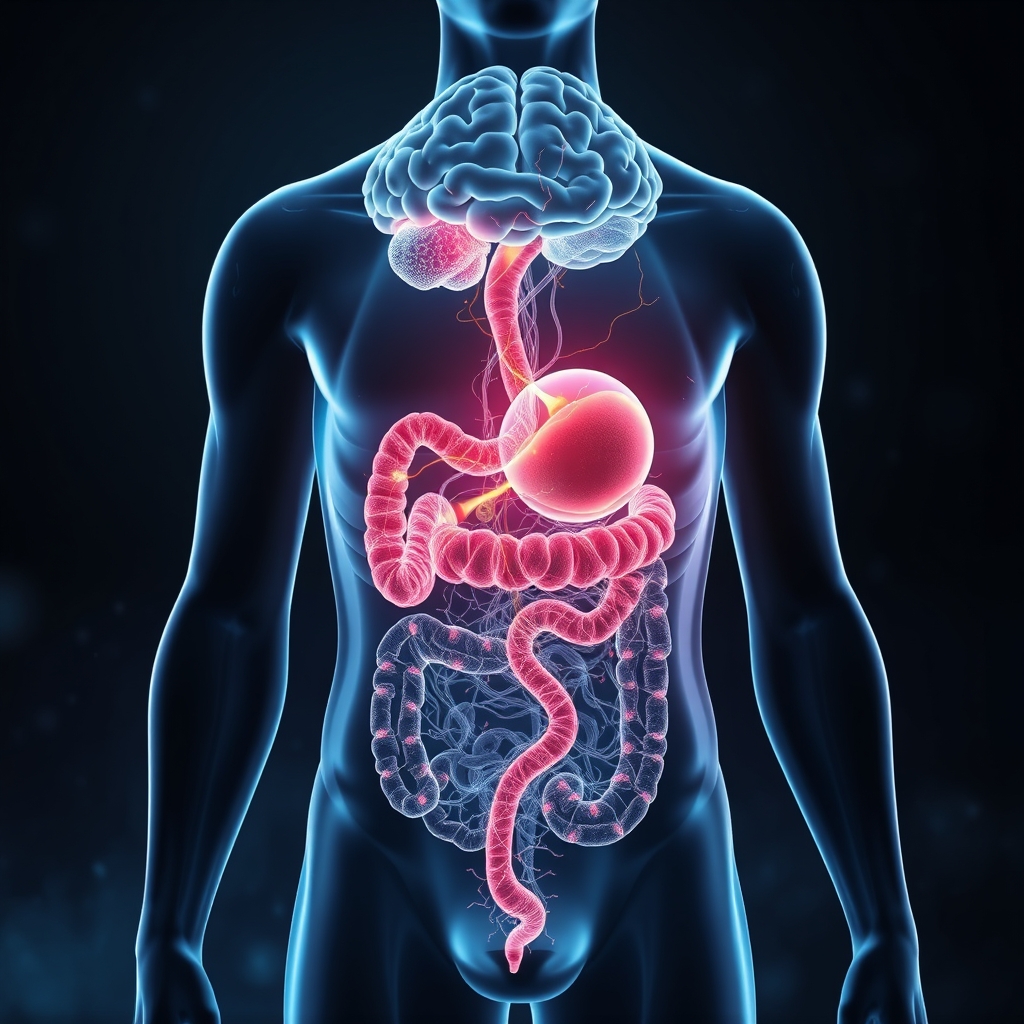
For decades, the connection between the gut and the brain was dismissed as little more than folklore—an old wives’ tale about “gut feelings” and intuition. But science is now revealing that this relationship is far more profound than anyone imagined. The gut microbiome, a vast ecosystem of trillions of microorganisms living in your digestive tract, doesn’t just influence digestion; it plays a pivotal role in shaping your mood, cognition, and even your risk of mental health disorders. This emerging field, known as the gut-brain axis, is rewriting our understanding of mental wellness and offering new avenues for treatment.
The Gut-Brain Axis: A Two-Way Street
The gut-brain axis is a complex communication network that links the central nervous system (the brain and spinal cord) with the enteric nervous system (the “second brain” in your gut). This bidirectional highway allows signals to travel back and forth, influencing everything from stress responses to emotional regulation. Research suggests that disruptions in the gut microbiome—whether due to poor diet, chronic stress, or antibiotics—can contribute to anxiety, depression, and even neurodegenerative diseases like Alzheimer’s.
One of the most compelling pieces of evidence comes from studies on germ-free mice, which are raised without any gut bacteria. These mice exhibit heightened stress responses and altered brain chemistry compared to their microbiome-rich counterparts. When researchers introduced specific strains of bacteria into their guts, their behavior and stress levels normalized. This suggests that the microbiome doesn’t just influence mental health—it may be a key regulator of it.
How the Microbiome Influences Mental Health
The mechanisms behind the gut-brain connection are still being unraveled, but several key pathways have emerged:
Neurotransmitter Production
Your gut bacteria produce a significant portion of the body’s neurotransmitters, including serotonin, dopamine, and gamma-aminobutyric acid (GABA). Serotonin, often called the “feel-good” neurotransmitter, is particularly noteworthy—about 90% of it is produced in the gut. An imbalance in these neurotransmitters is linked to mood disorders, and research indicates that certain probiotic strains (like Lactobacillus and Bifidobacterium) can boost their production, potentially alleviating symptoms of depression and anxiety.
Inflammation and the Immune System
A healthy gut microbiome helps regulate inflammation by maintaining the integrity of the intestinal barrier. When this barrier is compromised—a condition known as “leaky gut”—bacteria and toxins can enter the bloodstream, triggering an immune response. Chronic inflammation has been linked to a host of mental health issues, including depression and cognitive decline. By supporting gut health, we may be able to reduce inflammation and protect the brain.
The Vagus Nerve Connection
The vagus nerve is the longest cranial nerve, running from the brainstem to the abdomen. It acts as a direct communication line between the gut and the brain, transmitting signals that influence mood, stress, and even fear responses. Studies have shown that stimulating the vagus nerve can reduce symptoms of depression, while a healthy microbiome enhances its function. This suggests that nurturing your gut could have a direct impact on your mental resilience.
Practical Ways to Support Your Gut-Brain Health
The good news is that you don’t need a prescription to start improving your gut-brain axis. Small, consistent changes to your diet and lifestyle can make a significant difference. Here are some science-backed strategies to get started:
Eat a Diverse, Fiber-Rich Diet
The foundation of a healthy microbiome is dietary diversity. Fiber-rich foods like fruits, vegetables, legumes, and whole grains feed the beneficial bacteria in your gut, promoting their growth and activity. Fermented foods like yogurt, kefir, sauerkraut, and kimchi are also excellent sources of probiotics, which can help restore balance to the microbiome. Aim for a rainbow of plant-based foods to ensure you’re getting a wide range of nutrients and prebiotics (the fiber that feeds your gut bacteria).
Prioritize Sleep and Stress Management
Chronic stress and poor sleep are two of the biggest disruptors of gut health. Stress hormones like cortisol can alter the composition of the microbiome, while sleep deprivation has been shown to reduce microbial diversity. To support your gut-brain axis, focus on improving your sleep hygiene—aim for 7-9 hours of quality sleep per night—and incorporate stress-reduction techniques like meditation, deep breathing, or somatic exercises (mindful movement practices that connect the body and mind).
Consider Probiotics and Prebiotics
While diet should always come first, probiotic supplements can be a helpful addition, especially if you’ve recently taken antibiotics or struggle with digestive issues. Look for strains like Lactobacillus rhamnosus and Bifidobacterium longum, which have been shown to reduce anxiety and improve mood. Prebiotic supplements, such as inulin or resistant starch, can also support the growth of beneficial bacteria. However, it’s always best to consult with a healthcare provider before starting any new supplement regimen.
Move Your Body Regularly
Physical activity isn’t just good for your muscles and cardiovascular system—it also benefits your microbiome. Exercise has been shown to increase microbial diversity and promote the growth of bacteria associated with better metabolic health. Even low-intensity activities like walking, yoga, or tai chi can have a positive impact. The key is consistency; find a form of movement you enjoy and make it a regular part of your routine.
Explore Functional Medicine and Personalized Nutrition
If you’re struggling with persistent mental health issues, it may be worth exploring functional medicine—a holistic approach that considers the root causes of illness rather than just treating symptoms. A functional medicine practitioner can help you identify imbalances in your gut microbiome and create a personalized nutrition plan to address them. Tools like continuous glucose monitoring (CGM) and microbiome testing can provide valuable insights into how your body responds to different foods, allowing you to tailor your diet for optimal gut and brain health.
The idea that our mental health is deeply intertwined with the trillions of microorganisms living in our gut is both humbling and empowering. It challenges the notion that the mind and body are separate entities and instead paints a picture of a dynamic, interconnected system where every choice we make—from the food we eat to the way we manage stress—ripples through our entire being. By nurturing our gut health, we’re not just supporting digestion; we’re cultivating resilience, clarity, and emotional balance. The journey to better mental health might just begin in the kitchen, with a forkful of fiber or a spoonful of fermented food, reminding us that healing is often found in the most unexpected places.