The Gut-Brain-Immune Nexus: How Wearable Tech, Personalized Nutrition, and Somatic Practices Are Enhancing Resilience
In the ever-evolving landscape of health and wellness, the interconnectedness of our bodily systems is becoming increasingly apparent. The gut-brain-immune nexus is a prime example of this intricate web, where the health of one system profoundly influences the others. This article explores how wearable technology, personalized nutrition, and somatic practices are revolutionizing our approach to enhancing resilience in these interconnected systems.
Understanding the Gut-Brain-Immune Nexus
The gut-brain-immune nexus refers to the complex interplay between the gastrointestinal tract, the brain, and the immune system. The gut microbiome, a diverse community of microorganisms residing in our intestines, plays a crucial role in this nexus. It influences brain function through the gut-brain axis and modulates immune responses, affecting overall health and resilience.
The Role of Wearable Technology
Wearable health technology has emerged as a powerful tool in monitoring and optimizing the gut-brain-immune nexus. Devices like continuous glucose monitors, sleep trackers, and heart rate variability monitors provide real-time data that can help individuals make informed decisions about their health. For instance, continuous glucose monitoring can reveal how dietary choices affect blood sugar levels, which in turn impact gut health and immune function. Sleep trackers can offer insights into sleep quality, which is essential for both cognitive health and immune resilience.
Personalized Nutrition
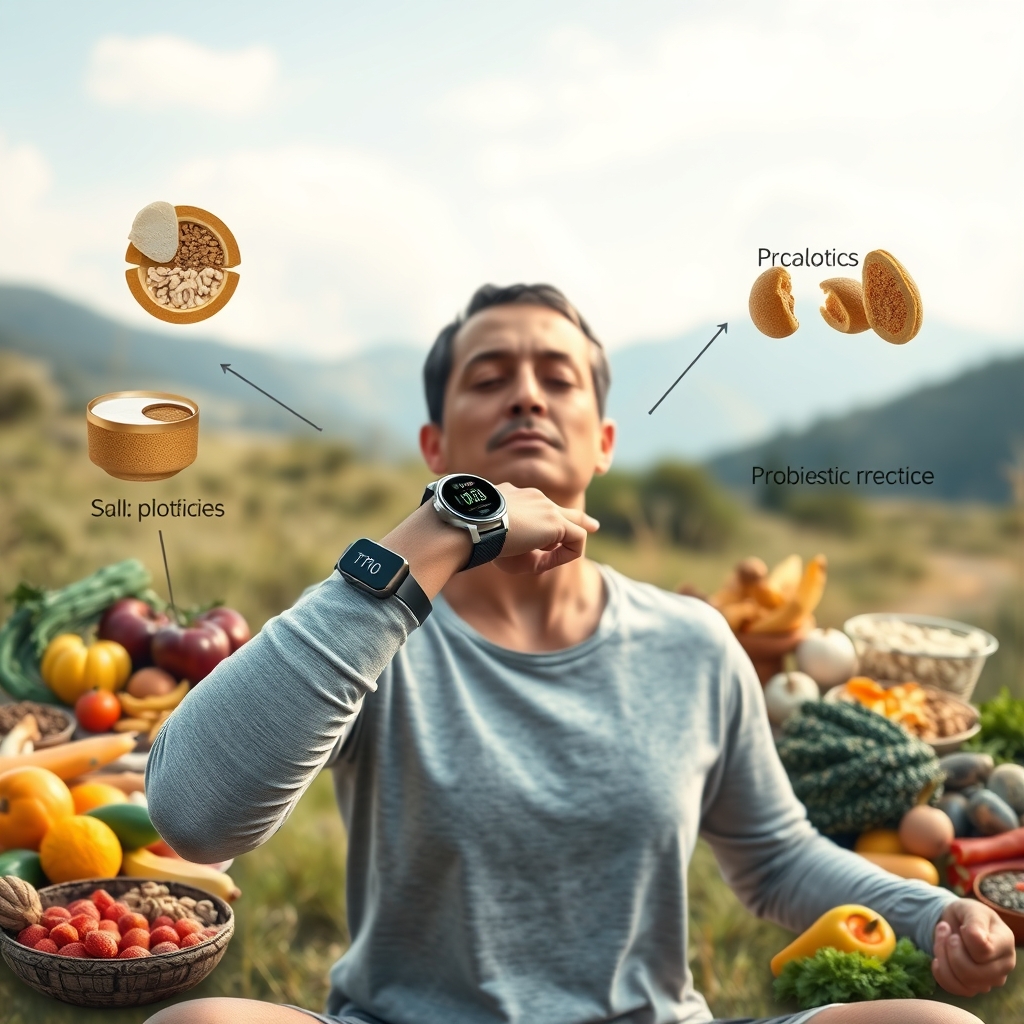
Personalized nutrition is another key component in enhancing the gut-brain-immune nexus. By tailoring dietary plans to an individual’s unique genetic makeup, microbiome composition, and lifestyle, personalized nutrition can optimize gut health, improve cognitive function, and bolster immune resilience. This approach often involves incorporating probiotics, prebiotics, and a diverse range of nutrient-dense foods that support a healthy microbiome.
Somatic Practices
Somatic practices, such as somatic exercise and mindfulness, play a vital role in regulating the gut-brain-immune nexus. These practices help manage stress, which is a significant factor in maintaining a healthy gut microbiome and a robust immune system. Somatic exercise, in particular, can enhance cortisol regulation, promoting metabolic fitness and cognitive clarity. Mindfulness techniques, on the other hand, can reduce stress and improve overall well-being, contributing to a more resilient gut-brain-immune system.
As we continue to unravel the complexities of the gut-brain-immune nexus, it becomes clear that a holistic approach is essential. By integrating wearable technology, personalized nutrition, and somatic practices, we can enhance our resilience and optimize our overall health. This multifaceted strategy not only addresses the interconnectedness of our bodily systems but also empowers individuals to take control of their well-being, paving the way for a healthier, more resilient future.