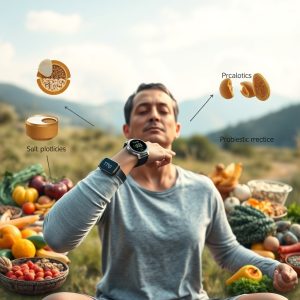
The Sleep-Gut-Immunity Triad: How Wearable Tech and Personalized Nutrition Are Redefining Resilience
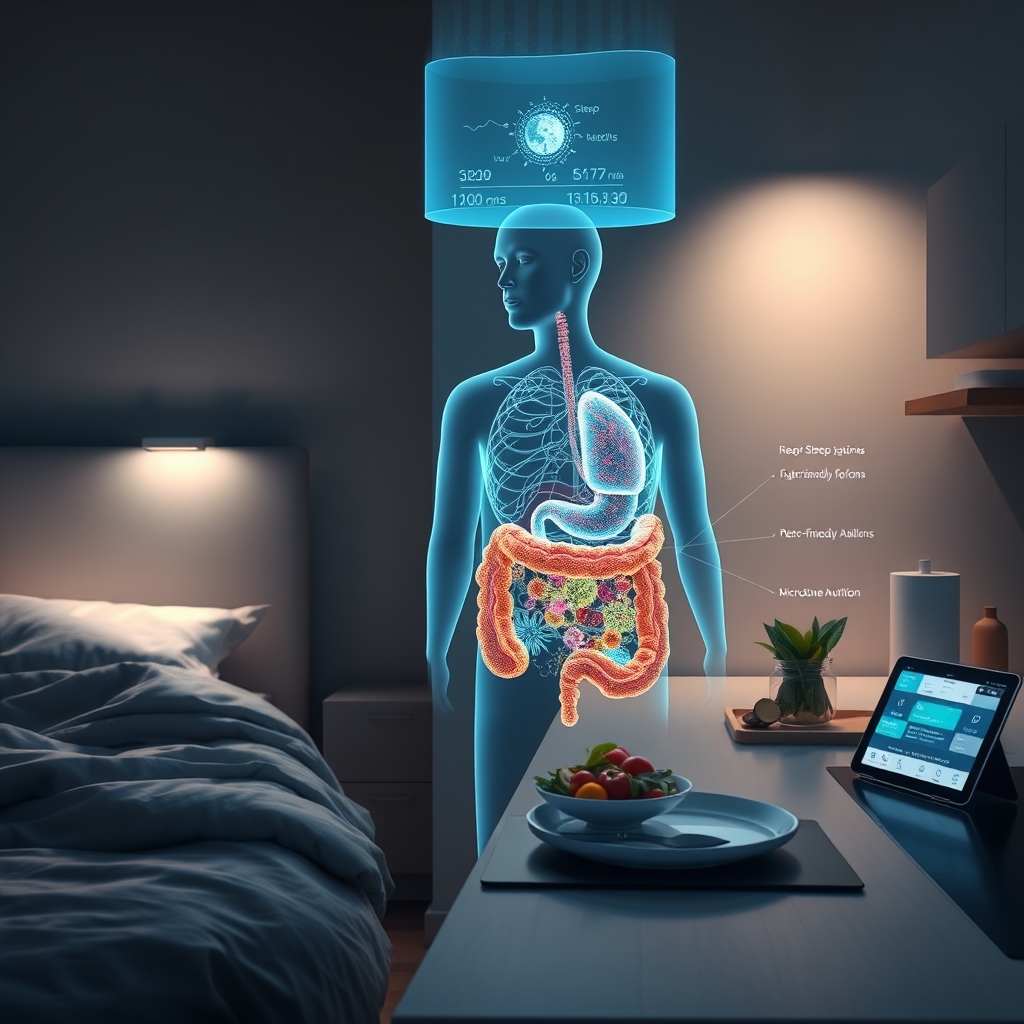
In the quiet hours of the night, when the world slows and the mind unwinds, a silent conversation unfolds within us—one that shapes our energy, immunity, and even our mood. This dialogue is not between people, but between systems: the gut, the immune system, and the intricate machinery of sleep. Emerging research reveals that these three pillars of health are deeply interconnected, forming a triad that dictates how resilient we are to stress, illness, and the relentless pace of modern life. And now, with the rise of wearable health technology and personalized nutrition, we’re gaining unprecedented tools to decode and optimize this relationship.
The Gut: The Unsung Conductor of Immunity and Sleep
The gut microbiome, a vast ecosystem of trillions of microorganisms, has long been recognized as a cornerstone of digestive health. But its influence extends far beyond the intestines. Recent studies show that the gut plays a pivotal role in regulating immune function and sleep quality. A balanced microbiome supports the production of short-chain fatty acids (SCFAs), which reduce inflammation and strengthen the gut barrier—a critical defense against pathogens. Disruptions in this balance, known as dysbiosis, have been linked to chronic inflammation, autoimmune conditions, and even sleep disorders like insomnia.
What’s more, the gut produces over 90% of the body’s serotonin, a neurotransmitter that not only regulates mood but also influences sleep cycles. An imbalanced microbiome can lead to lower serotonin levels, disrupting the body’s natural sleep-wake rhythms. This is where personalized nutrition steps in. By tailoring diets to support microbial diversity—through fiber-rich foods, fermented products, and targeted probiotics—individuals can foster a gut environment that promotes both immune resilience and restorative sleep.
Wearable Tech: The Bridge Between Data and Insight
While the gut’s role in sleep and immunity is profound, it’s not always visible. This is where wearable health technology becomes a game-changer. Devices like continuous glucose monitors (CGMs), sleep trackers, and heart rate variability (HRV) sensors provide real-time data on how lifestyle choices impact these interconnected systems. For example, a CGM can reveal how late-night snacking disrupts blood sugar stability, which in turn affects sleep quality and immune function. Similarly, HRV data can signal when stress levels are compromising recovery, prompting adjustments in diet, exercise, or sleep hygiene.
Wearables also empower individuals to track the impact of personalized nutrition on their gut health. Apps that sync with these devices can analyze how dietary changes influence sleep patterns, energy levels, and even immune markers like inflammation. Over time, this data-driven approach allows for fine-tuning interventions, creating a feedback loop that enhances resilience. The result? A more proactive, preventive approach to health that moves beyond generic advice to truly individualized care.
The Immune System: The Silent Guardian of the Triad
The immune system is often viewed as a separate entity, but it’s deeply intertwined with both sleep and gut health. Chronic sleep deprivation, for instance, impairs the immune response, increasing susceptibility to infections and slowing recovery. Conversely, quality sleep enhances the production of cytokines, proteins that help regulate immunity. The gut, meanwhile, acts as a training ground for immune cells, teaching them to distinguish between harmful invaders and benign substances. A healthy microbiome ensures this education is precise, reducing the risk of autoimmune reactions and chronic inflammation.
This interplay is particularly evident in the context of metabolic fitness. Poor sleep and gut dysbiosis can lead to insulin resistance, a precursor to metabolic syndrome and a known disruptor of immune function. By leveraging wearable tech to monitor sleep quality and metabolic markers, individuals can identify patterns that compromise immunity and take corrective action—whether through dietary adjustments, stress management, or improved sleep hygiene.
Personalized Nutrition: The Key to Unlocking the Triad
One-size-fits-all dietary advice often falls short because it ignores the unique ways our bodies respond to food. Personalized nutrition, informed by gut microbiome testing and wearable data, offers a more nuanced approach. For example, someone with a microbiome dominated by bacteria that thrive on fiber may benefit from a plant-heavy diet, while another person might need more fermented foods to support microbial diversity. These tailored interventions can improve gut health, which in turn enhances sleep and immune function.
Moreover, personalized nutrition can address specific imbalances that disrupt the sleep-gut-immunity triad. For instance, individuals with high cortisol levels—a common consequence of chronic stress—may benefit from adaptogenic foods like ashwagandha or magnesium-rich leafy greens, which help regulate the stress response and promote better sleep. By aligning nutrition with the body’s unique needs, it’s possible to create a virtuous cycle where each system supports the others.
The Future of Resilience: Integrating Tech and Tradition
The convergence of wearable technology, personalized nutrition, and ancient practices like intermittent fasting and somatic exercise is redefining what it means to build resilience. Intermittent fasting, for example, has been shown to improve gut health by promoting microbial diversity and reducing inflammation. When combined with wearable data, individuals can determine the optimal fasting window for their metabolism, further enhancing its benefits for sleep and immunity.
Somatic exercises, which focus on mindful movement and breathwork, offer another layer of support. These practices help regulate the nervous system, reducing cortisol levels and improving sleep quality. When paired with gut-healthy nutrition and real-time data from wearables, they create a holistic approach to resilience that addresses the triad from multiple angles.
As we continue to unravel the complexities of the sleep-gut-immunity connection, one thing is clear: the future of health lies in integration. By combining cutting-edge technology with personalized, data-driven strategies, we can optimize each pillar of this triad, fostering a state of resilience that prepares us for whatever life throws our way. The tools are here, the science is advancing, and the potential is limitless—it’s up to us to harness them in pursuit of a healthier, more balanced life.