The Microbiome-Immunity Axis: How Gut Health Is Shaping the Future of Immunotherapy Breakthroughs
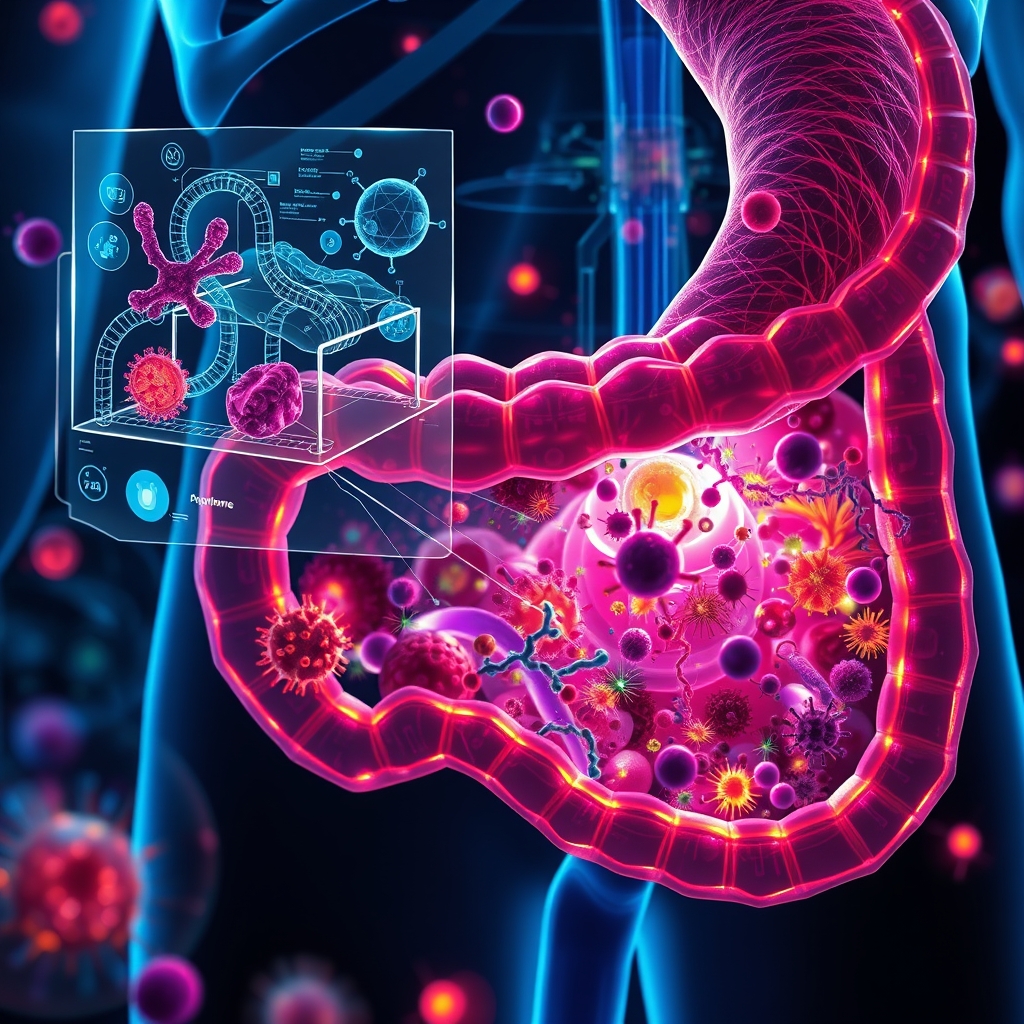
The human microbiome, a vast ecosystem of trillions of microorganisms residing primarily in the gut, has long been recognized for its role in digestion and metabolism. However, emerging research is uncovering its profound influence on the immune system, revealing a dynamic interplay that could redefine immunotherapy and targeted cancer therapy. This intricate relationship, often referred to as the microbiome-immunity axis, is opening new avenues for treating diseases that were once considered intractable, from autoimmune disorders to advanced cancers.
The Gut: A Command Center for Immune Regulation
The gut microbiome does not merely coexist with the human body; it actively communicates with the immune system, shaping its responses in ways scientists are only beginning to understand. The gut-associated lymphoid tissue (GALT), which houses approximately 70% of the body’s immune cells, relies on microbial signals to distinguish between harmful pathogens and benign or beneficial microbes. Disruptions in this delicate balance, known as dysbiosis, have been linked to a range of immune-mediated conditions, including inflammatory bowel disease, allergies, and even certain cancers.
Recent studies have demonstrated that specific microbial species can modulate immune cell activity, either by enhancing or suppressing inflammatory responses. For instance, Bacteroides fragilis produces a polysaccharide that promotes the development of regulatory T cells, which help prevent autoimmune reactions. Conversely, an overabundance of Proteobacteria has been associated with chronic inflammation, a known precursor to colorectal cancer. These findings underscore the potential of microbiome therapeutics to recalibrate immune function and restore homeostasis.
Immunotherapy and the Microbiome: A Synergistic Approach
One of the most exciting developments in the field of oncology is the discovery that the gut microbiome can significantly influence the efficacy of immunotherapy, particularly immune checkpoint inhibitors (ICIs). These drugs, which unleash the immune system to attack cancer cells, have revolutionized the treatment of malignancies such as melanoma and non-small cell lung cancer. However, their effectiveness varies widely among patients, with some experiencing dramatic remissions while others see little to no benefit.
Researchers have identified specific microbial signatures associated with positive responses to ICIs. For example, patients with a higher abundance of Akkermansia muciniphila and Faecalibacterium prausnitzii in their gut microbiome tend to respond better to anti-PD-1 therapy. These microbes appear to enhance the anti-tumor activity of T cells, suggesting that modulating the microbiome could improve immunotherapy outcomes. Clinical trials are now exploring the use of fecal microbiota transplantation (FMT) and probiotics to optimize patient responses to ICIs, marking a paradigm shift in how cancer is treated.
From Bench to Bedside: Translating Microbiome Research into Therapies
The translation of microbiome science into clinical applications is accelerating, with several innovative approaches already in development. Fecal microbiota transplantation, once a niche treatment for Clostridioides difficile infections, is now being investigated as a way to enhance immunotherapy in cancer patients. Early results from small-scale studies are promising, with some patients experiencing tumor shrinkage after receiving FMT from donors who responded well to ICIs.
Beyond FMT, researchers are exploring the potential of engineered probiotics and prebiotics to selectively enrich beneficial microbes. Companies like Seres Therapeutics and Vedanta Biosciences are developing live biotherapeutic products designed to restore microbial balance and improve immune function. These therapies could offer a more targeted and scalable alternative to FMT, with the potential to treat a wide range of immune-related disorders.
Challenges and Ethical Considerations
Despite the promise of microbiome-based therapies, several challenges remain. The gut microbiome is highly individualized, influenced by factors such as diet, genetics, and environmental exposures. This variability makes it difficult to develop one-size-fits-all treatments, necessitating a personalized approach to microbiome modulation. Additionally, the long-term safety of interventions like FMT and engineered probiotics is still being evaluated, particularly concerning the risk of unintended immune reactions or infections.
Ethical considerations also come into play, particularly regarding the use of FMT. Donor screening protocols must be rigorous to prevent the transmission of pathogens, and patients must be fully informed about the experimental nature of these treatments. As the field advances, regulatory frameworks will need to evolve to ensure the safety and efficacy of microbiome therapeutics while fostering innovation.
The Future of Immunotherapy: A Holistic Approach
The integration of microbiome science into immunotherapy represents a shift toward a more holistic understanding of health and disease. Rather than viewing the body as a collection of isolated systems, researchers are increasingly recognizing the interconnectedness of the microbiome, immune system, and overall well-being. This systems biology approach could lead to more effective and personalized treatments, not only for cancer but also for autoimmune diseases, metabolic disorders, and even neurodegenerative conditions.
As the field continues to evolve, collaborations between microbiologists, immunologists, oncologists, and data scientists will be essential to unlock the full potential of the microbiome-immunity axis. Artificial intelligence and machine learning are already being used to analyze vast datasets of microbial and immune profiles, identifying patterns that could predict treatment responses and guide therapeutic interventions. These technologies will play a crucial role in advancing precision medicine, ensuring that patients receive the right treatment at the right time.
The journey to harness the power of the microbiome is still in its early stages, but the progress made thus far is nothing short of revolutionary. By deepening our understanding of the complex dialogue between microbes and the immune system, we are not only uncovering new ways to combat disease but also redefining what it means to achieve true health. The future of immunotherapy—and medicine as a whole—may well lie in the microscopic world within us, where trillions of tiny organisms hold the key to healing and resilience.