
The Dawn of Precision Medicine: How AI and Gene Therapy Are Redefining Healthcare
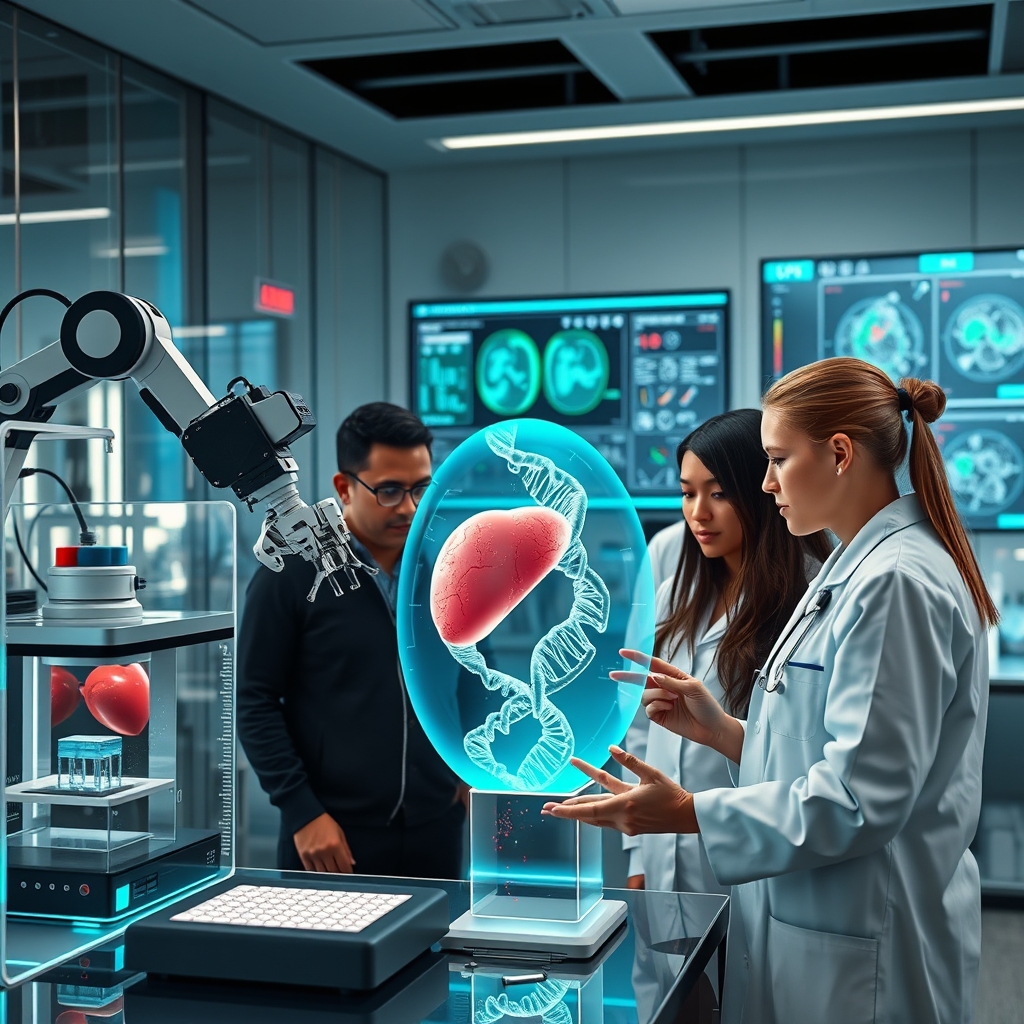
Healthcare is undergoing a seismic shift, moving away from the one-size-fits-all approach that has dominated medicine for centuries. At the heart of this transformation is precision medicine, a revolutionary paradigm that tailors treatments to the unique genetic, environmental, and lifestyle factors of each individual. This evolution is not just a incremental improvement—it’s a fundamental reimagining of how we prevent, diagnose, and treat diseases. With advancements in gene therapy, artificial intelligence diagnostics, and targeted cancer therapies, the promise of personalized healthcare is no longer a distant dream but an emerging reality.
The Genetic Revolution: Gene Therapy and Beyond
For decades, the idea of editing genes to cure diseases seemed like science fiction. Today, gene therapy is making headlines with groundbreaking successes. Conditions once considered untreatable, such as spinal muscular atrophy and certain types of inherited blindness, are now being addressed at their root cause—defective genes. Techniques like CRISPR-Cas9 allow scientists to precisely edit DNA, offering hope for curing genetic disorders that have plagued families for generations.
But gene therapy is just one piece of the puzzle. Cellular therapeutics and regenerative medicine are pushing boundaries even further. Imagine a world where damaged organs can be repaired or replaced using a patient’s own cells, eliminating the need for transplants and the risk of rejection. Companies are already experimenting with bioprinting organs, using 3D printing technology to create functional tissues and organs layer by layer. While still in its infancy, this field holds immense potential for addressing the global organ shortage and revolutionizing transplant medicine.
AI Diagnostics: The Power of Machine Learning in Healthcare
Artificial intelligence is not just transforming industries like finance and transportation—it’s also becoming a cornerstone of modern medicine. AI diagnostics are enabling faster, more accurate diagnoses by analyzing vast amounts of medical data, from imaging scans to genetic sequences. Machine learning algorithms can detect patterns that human eyes might miss, identifying early signs of diseases like cancer or neurodegenerative conditions with unprecedented precision.
One of the most exciting applications of AI in healthcare is its role in personalized pharmacology. By analyzing a patient’s genetic makeup, AI can predict how they will respond to specific medications, reducing the trial-and-error approach that often accompanies drug prescriptions. This not only improves treatment efficacy but also minimizes adverse side effects, making healthcare safer and more efficient. Additionally, AI is streamlining decentralized clinical trials, making it easier to recruit diverse participants and accelerate the development of new therapies.
The Rise of Digital Therapeutics and Smart Drug Delivery
Beyond diagnostics and treatment, technology is also reshaping how patients manage their health. Digital therapeutics—software-driven interventions that complement or replace traditional medical treatments—are gaining traction. These tools range from mobile apps that help patients manage chronic conditions like diabetes to virtual reality programs that aid in mental health therapy. By integrating seamlessly into daily life, digital therapeutics empower patients to take control of their health in ways that were previously unimaginable.
Complementing these digital tools are smart drug delivery systems, which use nanotechnology and advanced materials to release medication at precise times and locations in the body. For example, nanoparticles can be engineered to target cancer cells specifically, sparing healthy tissue and reducing the side effects of chemotherapy. This level of precision is a game-changer for conditions like cancer, where traditional treatments often come with debilitating consequences.
Immunotherapy and Vaccine Innovation: Harnessing the Body’s Defenses
The human immune system is one of the most powerful tools in the fight against disease, and recent breakthroughs in immunotherapy are unlocking its full potential. Unlike traditional treatments that attack diseases directly, immunotherapy works by enhancing the body’s natural defenses. For instance, targeted cancer therapies like checkpoint inhibitors have revolutionized oncology by enabling the immune system to recognize and destroy cancer cells. These therapies have shown remarkable success in treating previously untreatable cancers, offering new hope to patients worldwide.
Vaccine innovation is another area where precision medicine is making waves. The rapid development of mRNA vaccines during the COVID-19 pandemic demonstrated the power of this technology, but its applications extend far beyond infectious diseases. Researchers are now exploring mRNA vaccines for cancer, HIV, and even autoimmune disorders. By tailoring vaccines to an individual’s genetic profile, scientists aim to create highly effective, personalized immunizations that could one day eradicate some of the world’s most devastating diseases.
The Future of Preventive and Anti-Aging Medicine
As precision medicine continues to evolve, its focus is expanding beyond treatment to preventive pharmacology and anti-aging medicine. The goal is no longer just to cure diseases but to prevent them from occurring in the first place. Advances in microbiome therapeutics are revealing how the trillions of bacteria in our gut influence everything from immunity to mental health. By modulating the microbiome, scientists hope to develop treatments for conditions as diverse as obesity, depression, and autoimmune diseases.
Meanwhile, anti-aging medicine is gaining momentum as researchers uncover the biological mechanisms behind aging. From senolytic drugs that clear out damaged cells to gene therapies that extend lifespan, the possibilities are staggering. While the fountain of youth remains a myth, the idea of slowing down or even reversing the aging process is becoming increasingly plausible. These advancements could not only extend lifespans but also improve healthspans, allowing people to live longer, healthier lives.
The convergence of these technologies is creating a healthcare landscape that is more precise, proactive, and patient-centered than ever before. As AI continues to refine diagnostics, gene therapy unlocks new cures, and immunotherapy harnesses the body’s natural defenses, the boundaries of what is possible in medicine are being redrawn. The journey toward truly personalized healthcare is still in its early stages, but the progress made so far is a testament to human ingenuity and the relentless pursuit of better health for all. With each breakthrough, we move one step closer to a future where medicine is not just reactive but predictive, preventive, and profoundly personal.