The Hidden Link Between Your Gut and Mental Health: How the Microbiome Shapes Your Mind
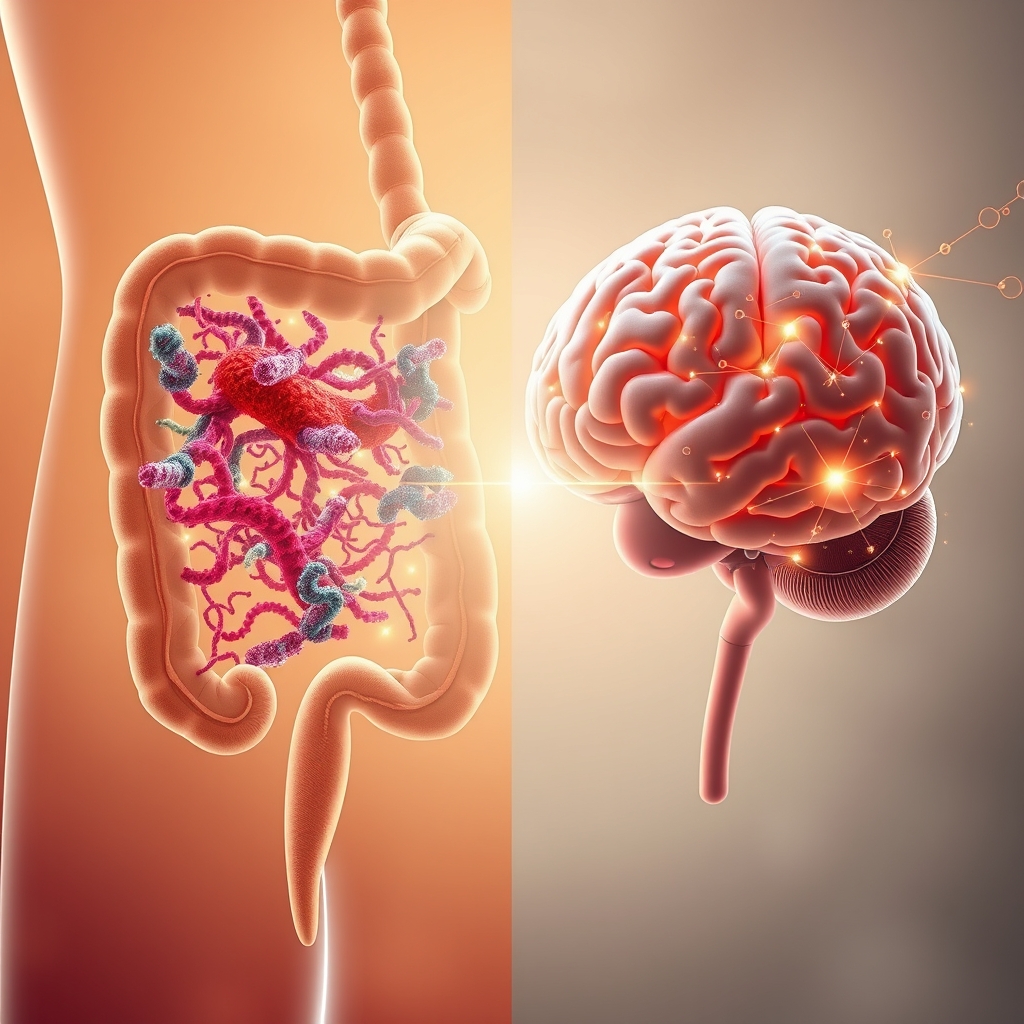
For decades, the conversation around mental health has largely centered on the brain—its chemistry, its structure, and its complex neural networks. Yet, emerging research is revealing a profound and often overlooked connection: the gut. More specifically, the trillions of microorganisms residing in your digestive tract, collectively known as the gut microbiome, may hold the key to understanding mood disorders, anxiety, and even cognitive decline. This revelation is not just reshaping how we approach mental health but also bridging the gap between traditional medicine and cutting-edge science.
The Gut-Brain Axis: A Two-Way Superhighway
The gut-brain axis is a bidirectional communication system that links the central nervous system with the enteric nervous system, the network of neurons lining your gastrointestinal tract. This connection is facilitated by a complex interplay of hormones, neurotransmitters, and immune system signals. For instance, about 90% of the body’s serotonin—a neurotransmitter critical for mood regulation—is produced in the gut. When the microbiome is out of balance, this production can be disrupted, potentially leading to symptoms of depression or anxiety.
Studies have shown that individuals with mental health conditions often exhibit distinct differences in their gut microbiota compared to those without such conditions. For example, a 2019 study published in Nature Microbiology found that people with depression had lower levels of certain gut bacteria, such as Coprococcus and Dialister, which are associated with the production of dopamine and other mood-regulating chemicals. This suggests that the gut microbiome doesn’t just influence mental health—it may actively contribute to it.
How Modern Lifestyles Disrupt the Microbiome
The modern Western lifestyle is a perfect storm for gut microbiome disruption. Highly processed diets, chronic stress, overuse of antibiotics, and sedentary habits all contribute to a phenomenon known as dysbiosis—an imbalance in the gut microbial community. Dysbiosis has been linked to a host of mental health issues, from increased anxiety to a higher risk of neurodegenerative diseases like Alzheimer’s.
One of the most significant culprits is diet. Ultra-processed foods, which are high in sugar, unhealthy fats, and artificial additives, feed harmful bacteria while starving beneficial ones. On the other hand, diets rich in fiber, fermented foods, and polyphenols—such as the Mediterranean diet—promote the growth of microbes that produce short-chain fatty acids (SCFAs) like butyrate. SCFAs play a crucial role in reducing inflammation, supporting brain health, and even enhancing the integrity of the blood-brain barrier, which protects the brain from toxins and pathogens.
The Role of Wearable Technology in Monitoring Gut Health
As our understanding of the gut-brain connection deepens, so does the technology available to monitor and optimize it. Wearable health devices, such as continuous glucose monitors (CGMs) and smartwatches, are now being used to track biomarkers that indirectly reflect gut health. For example, fluctuations in blood sugar levels can indicate how well your gut is processing carbohydrates, while heart rate variability (HRV) can provide insights into stress levels and autonomic nervous system function—both of which are closely tied to gut health.
Some cutting-edge devices even go a step further. Companies like Viome and DayTwo offer personalized nutrition recommendations based on stool sample analyses, identifying which foods will best support an individual’s unique microbiome. This level of personalization is a game-changer, moving us away from one-size-fits-all dietary advice and toward a future where nutrition is tailored to the specific needs of our gut bacteria.
Functional Medicine and the Future of Mental Health Treatment
Functional medicine, a holistic approach that focuses on identifying and addressing the root causes of disease, is increasingly incorporating gut health into mental health treatment protocols. Practitioners in this field often use advanced testing, such as comprehensive stool analyses and organic acid tests, to assess microbiome health and identify imbalances. From there, they may recommend interventions like probiotics, prebiotics, or even fecal microbiota transplants (FMT) in severe cases of dysbiosis.
One of the most promising areas of research is the use of psychobiotics—probiotics that have a positive impact on mental health. Strains like Lactobacillus rhamnosus and Bifidobacterium longum have been shown in clinical trials to reduce symptoms of anxiety and depression. While more research is needed, these findings open the door to a new era of mental health treatment, where the prescription pad might include not just antidepressants, but also a tailored probiotic regimen.
Lifestyle Interventions for a Healthier Gut and Mind
While medical interventions are valuable, lifestyle changes remain the cornerstone of gut and mental health. Here are some evidence-based strategies to cultivate a thriving microbiome:
- Prioritize a diverse, fiber-rich diet: Aim for at least 30 different plant-based foods per week to feed a wide variety of gut bacteria. Think colorful vegetables, fruits, legumes, nuts, seeds, and whole grains.
- Incorporate fermented foods: Foods like sauerkraut, kimchi, kefir, and yogurt are natural sources of probiotics that can help restore microbial balance.
- Manage stress through somatic practices: Chronic stress disrupts the gut microbiome, so techniques like yoga, deep breathing, and somatic exercises can help regulate the gut-brain axis.
- Optimize sleep hygiene: Poor sleep is both a cause and consequence of gut dysbiosis. Aim for 7-9 hours of quality sleep per night and maintain a consistent sleep schedule.
- Engage in active recovery: Gentle movement, such as walking, swimming, or tai chi, supports gut motility and reduces inflammation, both of which benefit the microbiome.
Intermittent fasting is another powerful tool for gut health. By giving your digestive system regular breaks, fasting can promote autophagy—a process where the body cleans out damaged cells and regenerates new ones. This not only supports gut integrity but also enhances metabolic fitness, which is closely linked to mental clarity and emotional resilience.
The Promise of Psychedelic Therapy and the Microbiome
In recent years, psychedelic therapy has gained traction as a breakthrough treatment for conditions like PTSD, depression, and anxiety. What’s fascinating is that some researchers are now exploring the role of the gut microbiome in mediating the effects of these substances. For example, psilocybin—the active compound in “magic mushrooms”—has been shown to alter gut microbiota composition in animal studies, leading to reduced inflammation and improved mood. While human studies are still in their infancy, this line of research could revolutionize our understanding of how psychedelics work and how they might be combined with gut-focused interventions for even greater therapeutic benefits.
As we continue to unravel the mysteries of the gut-brain connection, one thing is clear: mental health is not just a matter of the mind. It’s a whole-body endeavor, where every bite of food, every night of sleep, and every moment of stress management plays a role. The gut microbiome is not just a passive bystander in this process—it’s an active participant, shaping our thoughts, emotions, and even our resilience in the face of life’s challenges. By nurturing our gut, we’re not just improving digestion; we’re laying the foundation for a healthier, happier mind. And in a world where mental health struggles are on the rise, that’s a connection worth paying attention to.