The Forgotten Frontier: How Childhood Immunization Gaps Are Fueling Modern Health Crises
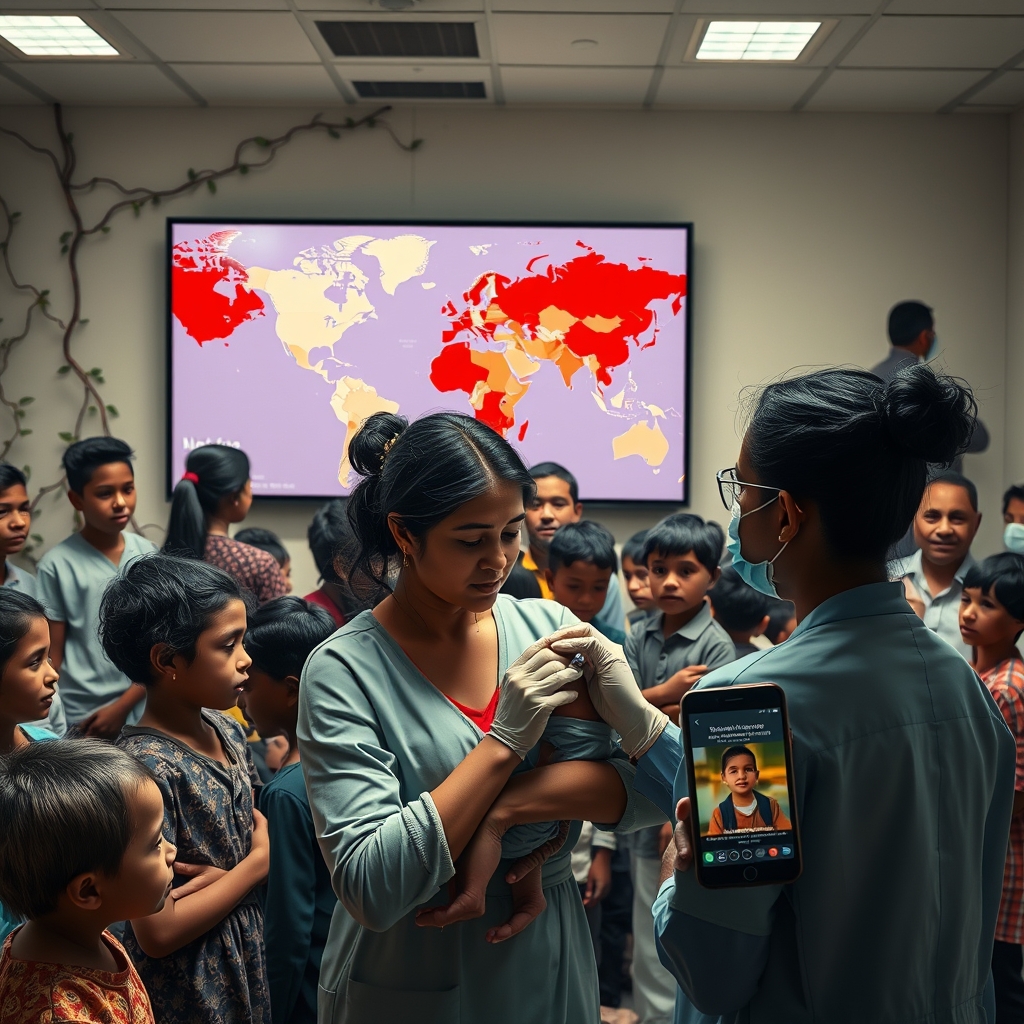
In the quiet corners of pediatric clinics and the bustling halls of public health agencies, a silent crisis is unfolding—one that threatens to unravel decades of medical progress. Childhood immunization gaps, once thought to be a relic of the past, have resurfaced with alarming consequences, casting a long shadow over global health. These gaps are not merely statistical anomalies; they are the cracks through which preventable diseases are seeping back into communities, fueling outbreaks, and exacerbating broader health challenges like chronic inflammation, antimicrobial resistance, and even cognitive decline in later life.
The Resurgence of Preventable Diseases
The measles outbreak in 2019, which saw over 1,200 cases in the U.S. alone, was a wake-up call. It wasn’t just a spike in numbers; it was a symptom of a deeper issue: declining vaccination rates. The World Health Organization (WHO) has repeatedly warned that measles, a disease declared eliminated in many countries, is making a comeback due to immunization gaps. But measles is only the tip of the iceberg. Diseases like mumps, rubella, and pertussis are also staging comebacks, often in communities where vaccine hesitancy or access issues have created pockets of vulnerability.
These outbreaks are not isolated incidents. They are interconnected with other health crises, creating a domino effect that ripples through populations. For instance, children who contract measles are at a higher risk of developing secondary infections, which can lead to prolonged immune dysregulation. This, in turn, may contribute to chronic inflammation—a silent but potent driver of conditions like autoimmune disorders, cardiovascular disease, and even adolescent depression. The link between early-life infections and long-term health outcomes is becoming increasingly clear, yet the solutions remain elusive.
The Ripple Effects of Immunization Gaps
The consequences of childhood immunization gaps extend far beyond the immediate threat of outbreaks. One of the most concerning ripple effects is the strain on healthcare systems already grappling with antimicrobial resistance (AMR). When preventable diseases resurface, they often require treatment with antibiotics, which, when overused, accelerate the development of resistant bacteria. The WHO has identified AMR as one of the top ten global health threats, and immunization gaps are inadvertently fueling this crisis by increasing the reliance on antibiotics for conditions that vaccines could have prevented.
Moreover, the long-term health impacts of early-life infections are only beginning to be understood. Research suggests that children who experience severe infections may be at a higher risk of developing metabolic dysfunction later in life. Insulin resistance, a precursor to type 2 diabetes, has been linked to inflammatory responses triggered by early infections. Similarly, neuroinflammation—an inflammatory response in the brain—has been associated with cognitive decline in adulthood. The idea that a childhood infection could set the stage for dementia or cardiovascular disease decades later is a sobering reminder of how interconnected our health truly is.
The Role of Vaccine Hesitancy and Misinformation
At the heart of the immunization gap lies a complex web of vaccine hesitancy, misinformation, and systemic barriers. Social media platforms have become breeding grounds for anti-vaccine rhetoric, where myths about vaccine safety spread faster than the diseases they aim to prevent. The COVID-19 pandemic only exacerbated this issue, as distrust in public health institutions grew, and conspiracy theories gained traction. For parents already on the fence about vaccines, these narratives can tip the scales toward refusal, leaving their children—and their communities—vulnerable.
But vaccine hesitancy is not the only culprit. In many parts of the world, access to vaccines remains a significant challenge. Logistical hurdles, such as cold chain failures or inadequate healthcare infrastructure, can prevent vaccines from reaching the children who need them most. In low-income countries, these barriers are compounded by economic constraints, leaving entire populations at risk. The global immunization gap is not just a health issue; it is a reflection of broader inequalities in access to healthcare.
Bridging the Gap: Solutions and Strategies
Addressing childhood immunization gaps requires a multifaceted approach that tackles both the supply and demand sides of the equation. On the supply side, strengthening healthcare systems is paramount. This includes investing in cold chain infrastructure, training healthcare workers, and ensuring that vaccines are available in even the most remote communities. Innovations like drone deliveries and mobile clinics have shown promise in reaching underserved populations, but scaling these solutions will require sustained funding and political will.
On the demand side, combating vaccine hesitancy is equally critical. Public health campaigns must go beyond simply providing information; they need to engage with communities in meaningful ways. This means listening to concerns, addressing misinformation with empathy, and building trust through transparency. Schools, religious institutions, and community leaders can play a pivotal role in normalizing vaccination and countering the narratives that fuel hesitancy. Additionally, leveraging social media to spread accurate information—rather than letting misinformation dominate the conversation—is essential in the digital age.
The Broader Implications for Public Health
The stakes of closing immunization gaps extend beyond preventing outbreaks. By ensuring that children receive their recommended vaccines, we are not just protecting them from immediate threats; we are safeguarding their long-term health. Vaccines are one of the most cost-effective public health interventions, with benefits that ripple across generations. They reduce the burden of chronic diseases, lower healthcare costs, and even contribute to economic stability by keeping children in school and parents in the workforce.
Yet, the challenge is not just about getting shots into arms. It’s about recognizing that immunization is a cornerstone of a broader public health strategy—one that addresses the root causes of health disparities, strengthens healthcare systems, and fosters trust in science. The resurgence of preventable diseases is a reminder that public health is not a static achievement but an ongoing effort that requires vigilance, innovation, and collaboration.
As we navigate an era of emerging health threats—from zoonotic infections like Hantavirus and bird flu to the lingering effects of Long Covid—childhood immunization gaps serve as a stark reminder of what’s at stake. The choices we make today will shape the health of future generations, determining whether we face a future of preventable suffering or one where every child has the opportunity to thrive. The path forward is clear, but it will require collective action, unwavering commitment, and a recognition that the health of our children is inseparable from the health of our communities and our world.