The Shadow Pandemic: How Long Covid and Chronic Inflammation Are Redefining Post-Viral Health Risks
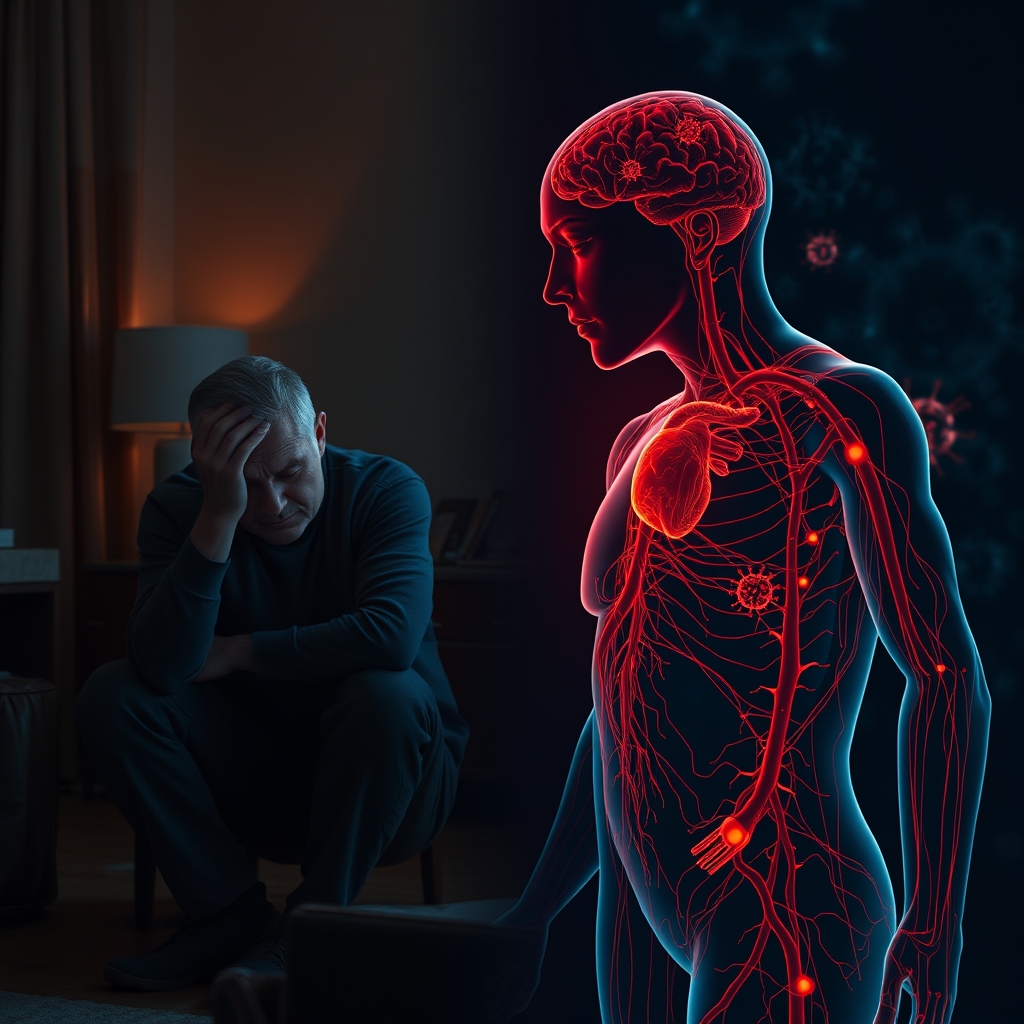
For millions of people worldwide, the acute phase of COVID-19 was only the beginning. Months after the initial infection, a constellation of debilitating symptoms—profound fatigue, brain fog, muscle weakness, and cardiovascular irregularities—persisted, defying conventional recovery timelines. This phenomenon, now known as Long Covid, has emerged as one of the most perplexing and far-reaching health challenges of the post-pandemic era. Yet, its roots may lie in a process long overlooked in modern medicine: chronic inflammation.
The Inflammatory Aftermath of Viral Infection
When the body encounters a virus like SARS-CoV-2, the immune system mounts a defense, releasing cytokines and other inflammatory molecules to neutralize the threat. In most cases, this response is tightly regulated, subsiding once the infection is cleared. However, in some individuals, the inflammatory cascade fails to shut down, persisting long after the virus has been eliminated. This sustained low-grade inflammation can damage tissues, disrupt organ function, and rewire metabolic pathways, creating a fertile ground for long-term complications.
Researchers have observed striking parallels between Long Covid and other post-viral syndromes, such as myalgic encephalomyelitis/chronic fatigue syndrome (ME/CFS). Both conditions share hallmark features of immune dysregulation, mitochondrial dysfunction, and endothelial damage—all of which are fueled by unresolved inflammation. The question is no longer whether inflammation plays a role in Long Covid, but how deeply it is intertwined with its most debilitating symptoms.
The Brain Under Siege: Neuroinflammation and Cognitive Decline
One of the most alarming aspects of Long Covid is its impact on the brain. Patients report memory lapses, difficulty concentrating, and a pervasive mental fog that impairs daily functioning. Neuroimaging studies have revealed structural changes in the brains of Long Covid sufferers, including reduced gray matter volume and disrupted connectivity in regions responsible for cognition and emotional regulation. These findings suggest that neuroinflammation—a chronic inflammatory state within the central nervous system—may be a key driver of these symptoms.
The link between neuroinflammation and cognitive decline is not new. Conditions like Alzheimer’s disease and Parkinson’s have long been associated with elevated levels of inflammatory markers in the brain. However, Long Covid has brought this connection into sharper focus, demonstrating how a viral infection can accelerate or unmask underlying vulnerabilities. For some, the cognitive effects of Long Covid may be temporary; for others, they could signal the beginning of a longer, more insidious decline.
The Cardiovascular Toll: When Inflammation Turns Deadly
Beyond the brain, Long Covid’s inflammatory legacy extends to the heart and blood vessels. Studies have shown that even mild COVID-19 cases can lead to lasting cardiovascular complications, including myocarditis, arrhythmias, and an increased risk of heart attack and stroke. The mechanism? Chronic inflammation damages the endothelial lining of blood vessels, promoting plaque formation and impairing blood flow. Over time, this can lead to atherosclerosis, hypertension, and other forms of cardiovascular disease.
The implications are particularly concerning for individuals with pre-existing metabolic dysfunction, such as insulin resistance or obesity. These conditions already create a pro-inflammatory environment, and Long Covid may act as an accelerant, pushing the body toward a state of heightened cardiovascular risk. For public health systems, this represents a looming crisis—one that demands proactive screening, early intervention, and a rethinking of post-viral care.
From Long Covid to Chronic Disease: A Slippery Slope
The long-term consequences of Long Covid extend beyond individual symptoms. Emerging evidence suggests that unresolved inflammation may increase the risk of developing chronic diseases, including autoimmune conditions, metabolic syndrome, and even certain cancers. For example, the persistent immune activation seen in Long Covid could trigger autoimmune responses, where the body mistakenly attacks its own tissues. Similarly, chronic inflammation can disrupt insulin signaling, exacerbating insulin resistance and setting the stage for type 2 diabetes.
This raises a critical question: Is Long Covid a standalone condition, or is it a catalyst for broader health deterioration? The answer may lie in the body’s inflammatory memory—a phenomenon where immune cells retain a heightened response to future threats. For Long Covid patients, this could mean that even after symptoms subside, their bodies remain primed for excessive inflammation, increasing their vulnerability to future health challenges.
Breaking the Cycle: Can We Intervene?
The good news is that chronic inflammation is not an irreversible fate. Lifestyle interventions, such as anti-inflammatory diets rich in omega-3 fatty acids, polyphenols, and fiber, have shown promise in reducing systemic inflammation. Regular physical activity, stress management techniques like mindfulness and yoga, and targeted pharmaceuticals (e.g., low-dose naltrexone or anti-cytokine therapies) are also being explored as potential tools to mitigate Long Covid’s lingering effects.
However, the challenge lies in early detection and personalized care. Many Long Covid patients struggle to find healthcare providers who recognize their symptoms, let alone offer evidence-based treatments. As research advances, there is an urgent need for standardized diagnostic criteria, biomarker testing, and multidisciplinary clinics specializing in post-viral care. Without these, the shadow of Long Covid will continue to grow, casting a long-term burden on individuals and healthcare systems alike.
As the world grapples with the aftermath of the pandemic, Long Covid serves as a stark reminder of how deeply infection and inflammation are intertwined. It is not merely a post-viral syndrome but a complex, multisystem disorder that demands a paradigm shift in how we understand and treat chronic disease. The lessons learned from Long Covid may well redefine our approach to post-viral health, urging us to look beyond the immediate threat of infection and toward the silent, smoldering fires of inflammation that can shape our well-being for years to come.