
The Hidden Link Between Neuroinflammation and Cognitive Decline: What Science Reveals
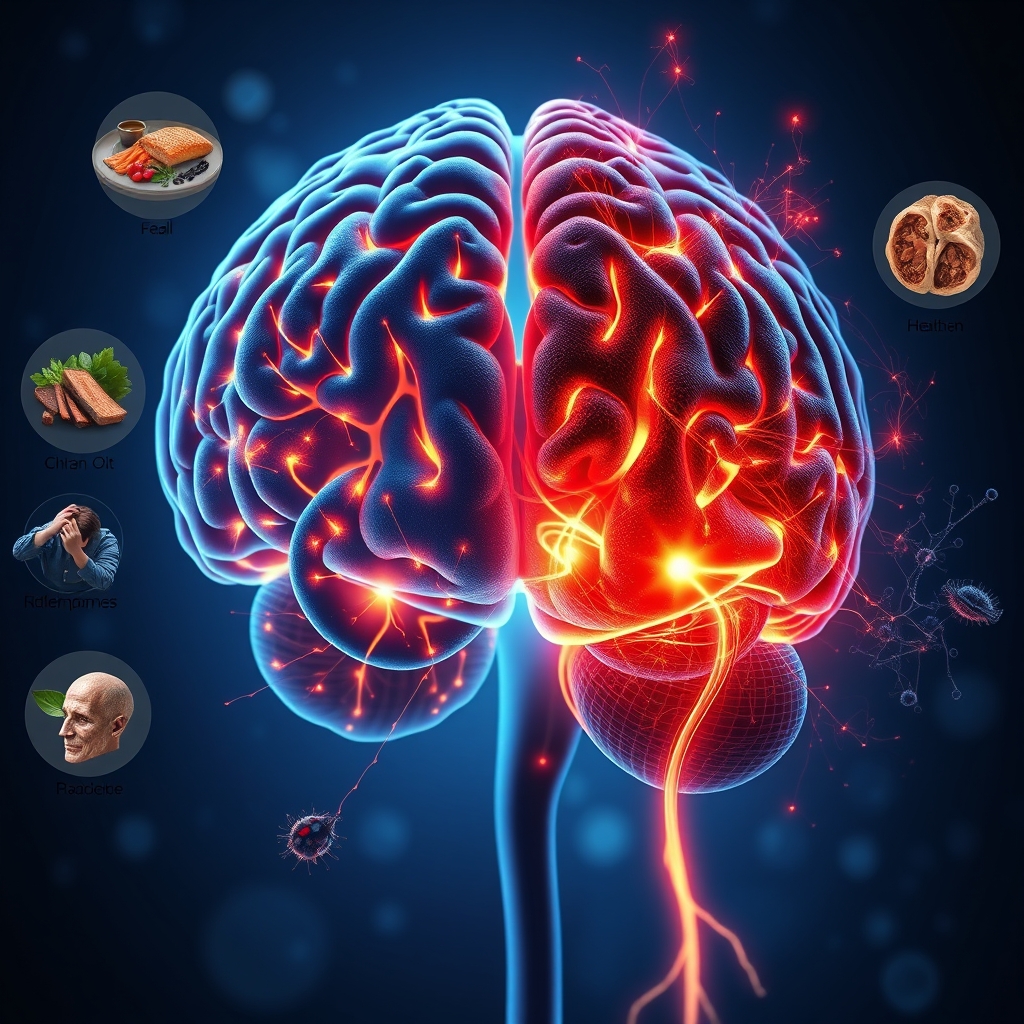
The human brain, once thought to be an isolated fortress, is now understood to be deeply interconnected with the body’s immune system. Emerging research suggests that neuroinflammation—chronic inflammation of the brain and nervous system—plays a pivotal role in cognitive decline, from mild memory lapses to severe neurodegenerative diseases like Alzheimer’s. Unlike acute inflammation, which acts as a protective response to injury or infection, neuroinflammation can persist silently for years, eroding neural pathways and accelerating the aging process of the brain.
The Immune System’s Double-Edged Sword
Inflammation is the body’s first line of defense against pathogens, toxins, and injuries. When functioning optimally, immune cells release cytokines and other molecules to neutralize threats and initiate repair. However, when this response becomes dysregulated, it can turn against the body’s own tissues. In the brain, microglia—specialized immune cells—are responsible for maintaining neural health by clearing debris and responding to damage. But under chronic stress, poor diet, or persistent infections, these cells can become overactive, releasing excessive inflammatory signals that damage neurons and disrupt synaptic connections.
Studies have shown that elevated levels of inflammatory markers, such as interleukin-6 (IL-6) and C-reactive protein (CRP), are associated with poorer cognitive performance and an increased risk of dementia. This connection is particularly alarming given the rising prevalence of conditions linked to systemic inflammation, including obesity, diabetes, and cardiovascular disease. The brain, it seems, is not immune to the consequences of a body in a constant state of low-grade inflammation.
From Stress to Synaptic Damage: The Mechanisms at Play
Neuroinflammation doesn’t occur in isolation. It is often triggered or exacerbated by a combination of genetic, environmental, and lifestyle factors. Chronic stress, for instance, elevates cortisol levels, which can impair the blood-brain barrier—a protective shield that normally prevents harmful substances from entering the brain. When this barrier is compromised, immune cells and inflammatory molecules can infiltrate, leading to further damage.
Another key player is the gut-brain axis. The gut microbiome, a complex ecosystem of trillions of microorganisms, communicates bidirectionally with the brain via the vagus nerve and immune system. Dysbiosis—an imbalance in gut bacteria—has been linked to increased intestinal permeability, often referred to as “leaky gut.” This allows bacterial endotoxins like lipopolysaccharides (LPS) to enter the bloodstream, triggering systemic inflammation that can reach the brain. Research has found that individuals with neurodegenerative diseases often exhibit gut microbiome profiles distinct from those of healthy individuals, suggesting a potential pathway for intervention.
The Role of Infections and Immune Memory
Infections, both acute and chronic, can leave a lasting imprint on the immune system, sometimes leading to persistent neuroinflammation. Viral infections like herpes simplex virus (HSV-1) and even SARS-CoV-2, the virus responsible for COVID-19, have been implicated in cognitive decline. Long COVID, for example, has been associated with brain fog, memory issues, and accelerated cognitive aging, with neuroinflammation emerging as a likely culprit.
Similarly, bacterial infections such as Chlamydia pneumoniae and Porphyromonas gingivalis (a bacterium linked to gum disease) have been detected in the brains of Alzheimer’s patients. These pathogens may trigger an immune response that, over time, becomes maladaptive, contributing to the accumulation of amyloid plaques and tau tangles—hallmarks of Alzheimer’s disease. The concept of “inflammaging,” where the immune system becomes increasingly dysregulated with age, further complicates the picture, suggesting that the cumulative burden of infections and inflammation over a lifetime may accelerate cognitive decline.
Lifestyle Interventions: Can We Protect Our Brains?
The good news is that neuroinflammation is not an inevitable consequence of aging. Lifestyle modifications can significantly reduce its impact and even promote neurogenesis—the growth of new neurons. Diet, in particular, has emerged as a powerful tool in modulating inflammation. The Mediterranean diet, rich in omega-3 fatty acids, polyphenols, and antioxidants, has been shown to lower inflammatory markers and improve cognitive function. Foods like fatty fish, leafy greens, berries, and nuts provide essential nutrients that support brain health and reduce oxidative stress.
Physical activity is another potent anti-inflammatory intervention. Regular exercise has been shown to increase the production of brain-derived neurotrophic factor (BDNF), a protein that supports neuron survival and growth. It also reduces visceral fat, a major source of pro-inflammatory cytokines. Even moderate activities like walking, yoga, or swimming can have measurable benefits for brain health.
Sleep, often overlooked, is critical for brain detoxification. During deep sleep, the glymphatic system—a waste clearance system in the brain—becomes highly active, flushing out toxins, including beta-amyloid. Chronic sleep deprivation, on the other hand, has been linked to increased neuroinflammation and cognitive impairment. Prioritizing sleep hygiene, such as maintaining a consistent sleep schedule and creating a restful environment, can help mitigate these risks.
Targeted Therapies and Future Directions
While lifestyle changes are foundational, researchers are also exploring targeted therapies to address neuroinflammation. Nonsteroidal anti-inflammatory drugs (NSAIDs) like ibuprofen have shown promise in observational studies, though their long-term use is limited by side effects. More recently, scientists have turned their attention to repurposing existing drugs, such as those used to treat rheumatoid arthritis or multiple sclerosis, to modulate the immune response in the brain.
Gene therapy and stem cell research are also opening new avenues for treatment. For example, researchers are investigating ways to reprogram microglia to adopt a more neuroprotective phenotype, reducing their inflammatory output. Additionally, advances in neuroimaging, such as positron emission tomography (PET) scans, are enabling earlier detection of neuroinflammation, allowing for interventions before significant cognitive damage occurs.
As our understanding of neuroinflammation deepens, it becomes increasingly clear that cognitive decline is not an inevitable part of aging but rather a complex interplay of genetic, environmental, and lifestyle factors. By addressing inflammation through diet, exercise, sleep, and emerging medical therapies, we may not only preserve our cognitive function but also unlock new ways to enhance brain resilience. The brain’s ability to adapt and heal is remarkable, and with the right tools, we can harness that potential to safeguard our mental clarity for years to come.