
The Cortisol Connection: How Wearable Tech and Somatic Practices Are Rewriting the Rules of Stress Resilience
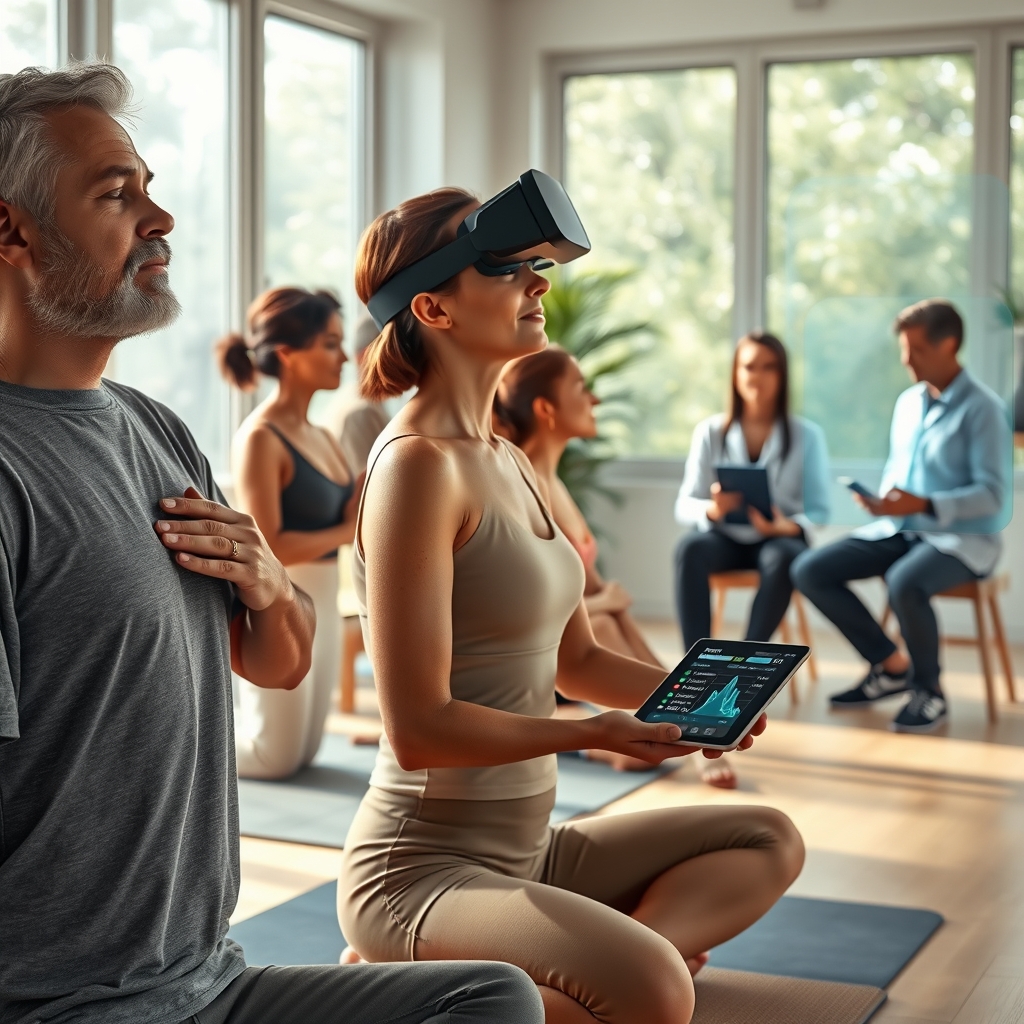
Stress is often called the silent epidemic of the modern world, a pervasive force that shapes our health in ways we’re only beginning to understand. While the term “stress” is frequently tossed around in casual conversation, its biological counterpart—cortisol—operates far more subtly, weaving its influence through nearly every system in the body. From disrupting sleep to undermining immune function, cortisol doesn’t just reflect stress; it dictates the body’s response to it. The good news? Emerging technologies and ancient somatic practices are converging to offer unprecedented control over this powerful hormone, transforming how we approach resilience in an increasingly demanding world.
The Cortisol Paradox: Friend or Foe?
Cortisol is often vilified as the “stress hormone,” but its role in human physiology is far more nuanced. Secreted by the adrenal glands in response to perceived threats, cortisol is a survival mechanism designed to mobilize energy, sharpen focus, and prepare the body for action. In short bursts, it’s not just beneficial—it’s essential. The problem arises when cortisol levels remain elevated for prolonged periods, a state that has become all too common in today’s fast-paced, always-on culture.
Chronic cortisol elevation is linked to a cascade of health issues, including weight gain, insulin resistance, cognitive decline, and even accelerated aging. It disrupts the delicate balance of the gut microbiome, weakens immune resilience, and impairs cellular regeneration. The irony? The very hormone meant to protect us becomes a saboteur when its presence is unrelenting. Understanding this paradox is the first step toward reclaiming control over its effects.
Wearable Tech: The New Frontier in Cortisol Awareness
Until recently, measuring cortisol required invasive blood tests or cumbersome saliva samples, limiting our ability to track its fluctuations in real time. Enter wearable health technology—a game-changer in the quest for stress resilience. Devices like smartwatches and biosensors now offer indirect but highly actionable insights into cortisol dynamics by monitoring proxy metrics such as heart rate variability (HRV), skin conductance, and sleep patterns.
For example, a sudden drop in HRV—a marker of autonomic nervous system balance—can signal cortisol dysregulation before the mind even registers stress. Some advanced wearables, like the Oura Ring or Whoop strap, provide daily stress scores based on these metrics, empowering users to intervene before cortisol spirals out of control. The rise of continuous glucose monitors (CGMs) has also shed light on the metabolic consequences of cortisol spikes, revealing how stress directly impacts blood sugar levels and, by extension, metabolic fitness.
This real-time feedback loop is revolutionary. It transforms cortisol from an abstract concept into a tangible, trackable variable, much like how CGMs have demystified glucose metabolism. The result? A new era of personalized stress management, where interventions are timed precisely to the body’s needs rather than relying on guesswork.
Somatic Practices: The Body’s Natural Cortisol Regulator
While technology provides the data, somatic practices offer the antidote. Rooted in the principle that the body holds the key to emotional and physiological regulation, somatic exercises—such as breathwork, yoga, and mindful movement—directly modulate the nervous system to lower cortisol levels. Unlike traditional talk therapy, which engages the cognitive mind, somatic practices work from the bottom up, addressing stress at its source: the body.
One of the most effective somatic tools is the 4-7-8 breathing technique, which involves inhaling for four seconds, holding the breath for seven, and exhaling for eight. This simple practice activates the parasympathetic nervous system, counteracting the cortisol-driven fight-or-flight response. Similarly, practices like tai chi and qigong combine gentle movement with breath awareness to restore balance, while contrast therapy—alternating between hot and cold exposure—trains the body to adapt to stress more efficiently.
Research has shown that these practices don’t just lower cortisol in the moment; they rewire the brain’s stress response over time. A study published in Frontiers in Human Neuroscience found that regular yoga practitioners had lower baseline cortisol levels and greater resilience to acute stress compared to non-practitioners. The takeaway? The body isn’t just a vessel for stress—it’s also the most powerful tool for overcoming it.
Digital Therapeutics: Bridging the Gap Between Tech and Tradition
The fusion of technology and somatic practices has given rise to digital therapeutics—software-based interventions that deliver evidence-based stress management techniques at scale. Apps like Headspace and Calm have long offered guided meditation, but newer platforms are taking it a step further by integrating biofeedback. For instance, the app Breathwrk uses HRV data from wearables to tailor breathing exercises to the user’s real-time physiological state, optimizing cortisol reduction.
Another promising development is the use of virtual reality (VR) for stress resilience training. VR environments can simulate high-pressure scenarios—such as public speaking or conflict resolution—while teaching users to regulate their cortisol response through somatic techniques. This immersive approach not only builds stress tolerance but also makes the practice engaging and accessible.
Digital therapeutics are democratizing stress management, making it possible for anyone with a smartphone to access tools once reserved for elite athletes or high-powered executives. As these technologies evolve, they hold the potential to shift the narrative around stress from one of inevitability to one of empowerment.
Functional Medicine: Addressing the Root Causes of Cortisol Dysregulation
While wearables and somatic practices offer immediate relief, functional medicine takes a deeper dive into the root causes of chronic cortisol elevation. Unlike conventional medicine, which often treats symptoms in isolation, functional medicine views cortisol dysregulation as a symptom of broader imbalances—such as gut microbiome disruption, nutrient deficiencies, or chronic inflammation.
For example, gut health plays a critical role in cortisol regulation. The gut-brain axis—a bidirectional communication system between the digestive tract and the central nervous system—means that an imbalanced microbiome can exacerbate stress responses. Functional medicine practitioners often use stool tests to assess gut health and recommend personalized nutrition plans to restore microbial balance, thereby supporting cortisol regulation.
Similarly, nutrient deficiencies in magnesium, vitamin C, and B vitamins can impair the body’s ability to manage stress. Functional medicine addresses these gaps through targeted supplementation and dietary adjustments, ensuring the adrenal glands have the resources they need to function optimally. By treating the body as an interconnected system, functional medicine offers a holistic approach to cortisol resilience that goes beyond quick fixes.
The Future of Stress Resilience: A Multidimensional Approach
The future of cortisol regulation lies in the integration of these diverse tools—wearable tech, somatic practices, digital therapeutics, and functional medicine—into a cohesive, personalized strategy. Imagine a world where your smartwatch alerts you to a cortisol spike, prompting a guided breathing exercise via an app, while your functional medicine practitioner monitors your gut health and nutrient levels in the background. This is not science fiction; it’s the direction in which preventive healthcare is headed.
As our understanding of cortisol deepens, so too does our ability to harness its power for good. Stress may be an inevitable part of life, but its impact on our health is not. By leveraging the latest advancements in technology and the timeless wisdom of somatic practices, we can rewrite the rules of resilience, turning cortisol from a silent saboteur into a manageable—and even beneficial—force in our lives. The tools are here; the choice to use them is ours.