The Bird Flu Paradox: How Modern Farming Practices Are Fueling a Zoonotic Time Bomb
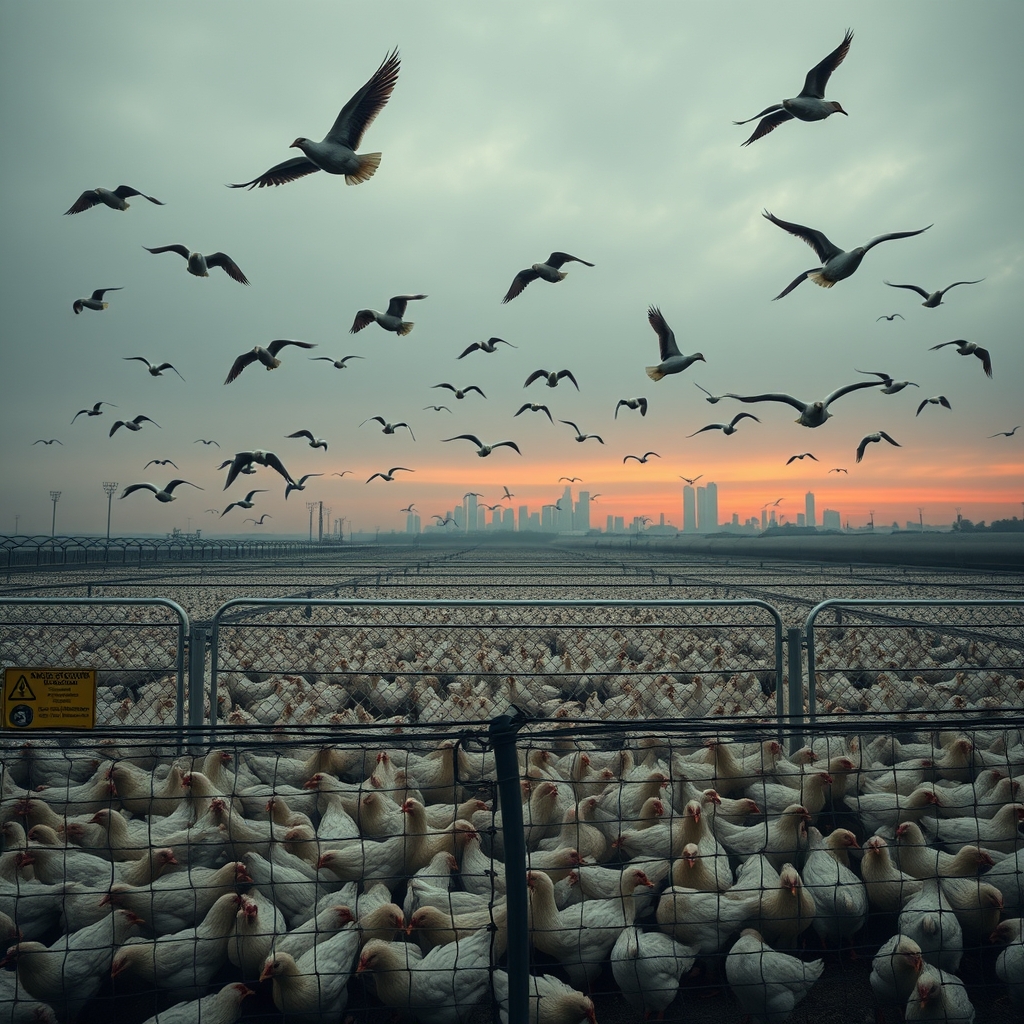
In the quiet corners of industrial poultry farms and bustling live animal markets, a silent crisis is unfolding—one that could redefine the next global health emergency. Avian influenza, commonly known as bird flu, has long been a concern for epidemiologists, but recent shifts in its transmission patterns are sounding alarms louder than ever before. Unlike past outbreaks confined to wild birds or isolated flocks, the current strain of H5N1 is demonstrating an unsettling ability to jump species barriers, raising fears of a potential human pandemic. The question is no longer if but when—and how prepared we truly are.
The Evolution of a Zoonotic Threat
Bird flu has historically been a disease of avian populations, with sporadic cases of human infection linked to direct contact with infected birds. However, the past decade has witnessed a troubling evolution. The H5N1 strain, once largely contained within Asia, has now spread to every continent except Australia and Antarctica, carried by migratory birds and exacerbated by global trade in poultry. What makes the current situation particularly alarming is the virus’s increasing adaptability. Recent reports from the World Health Organization (WHO) and the Centers for Disease Control and Prevention (CDC) highlight cases of mammal-to-mammal transmission, including among farmed mink in Spain and wild foxes in the Netherlands. These developments suggest the virus is inching closer to efficient human-to-human spread—a scenario that could trigger a pandemic on the scale of COVID-19 or worse.
The Role of Industrial Agriculture
At the heart of this growing threat lies the modern agricultural system, which prioritizes efficiency and scale over biosecurity. Industrial poultry farms, where thousands of birds are packed into confined spaces, create the perfect breeding ground for viral mutations. The stress of overcrowding weakens immune systems, while the sheer density of animals allows pathogens to spread rapidly and evolve. When an outbreak occurs, the response often involves mass culling, a practice that not only devastates local economies but also fails to address the root cause: unsustainable farming practices.
Compounding the issue is the global trade in live poultry and poultry products, which facilitates the rapid movement of viruses across borders. A bird infected in Southeast Asia can, within days, find its way to a market in Europe or North America, carrying with it the potential for a localized outbreak to become an international crisis. The lack of standardized biosecurity measures across countries further exacerbates the risk, creating a patchwork of regulations that pathogens easily exploit.
The Human Cost: Beyond the Farm
While the immediate impact of bird flu is felt most acutely in the agricultural sector, the long-term consequences for human health could be catastrophic. The virus’s ability to infect mammals, including humans, raises the specter of a strain that combines the lethality of H5N1 with the transmissibility of seasonal influenza. The 1918 flu pandemic, which killed an estimated 50 million people worldwide, serves as a grim reminder of what can happen when a novel influenza strain emerges. Today, with global travel and urbanization at unprecedented levels, the potential for rapid spread is even greater.
From Farms to Frontlines: The Public Health Response
Public health agencies are not standing idle. Surveillance systems have been ramped up, with researchers monitoring viral mutations in real time and developing updated vaccines. However, the challenges are formidable. Unlike COVID-19, which was caused by a relatively stable virus, influenza viruses mutate rapidly, rendering vaccines less effective over time. The process of developing and distributing a new vaccine can take months, during which time a novel strain could spread unchecked.
Another critical gap lies in global coordination. The response to bird flu, like many zoonotic diseases, is fragmented, with countries often prioritizing their own interests over collective action. The COVID-19 pandemic exposed the weaknesses in global health governance, and bird flu risks repeating the same mistakes. Without a unified approach to surveillance, reporting, and response, the world remains vulnerable to a virus that knows no borders.
The Broader Implications: A Wake-Up Call for One Health
The rise of bird flu is not just a public health issue—it is a symptom of a deeper imbalance in our relationship with the natural world. The One Health approach, which recognizes the interconnectedness of human, animal, and environmental health, offers a framework for addressing zoonotic threats like H5N1. By integrating veterinary science, ecology, and public health, we can begin to tackle the root causes of these outbreaks rather than merely reacting to their consequences.
Rethinking Food Systems
One of the most effective ways to reduce the risk of bird flu—and other zoonotic diseases—is to reform our food systems. Shifting away from industrial farming toward more sustainable, regenerative practices can reduce the likelihood of viral spillover events. Smaller, diversified farms with stronger biosecurity measures and lower animal densities are less prone to large-scale outbreaks. Additionally, reducing our reliance on live animal markets and improving cold chain logistics for poultry products can limit opportunities for viral transmission.
The Role of Policy and Public Awareness
Policy changes at the national and international levels are essential to mitigate the threat of bird flu. Governments must invest in early detection systems, strengthen biosecurity protocols, and incentivize farmers to adopt safer practices. Public awareness campaigns can also play a role by educating consumers about the risks associated with certain farming practices and encouraging demand for ethically sourced, disease-resistant poultry products.
Yet, perhaps the most critical shift must occur in how we perceive zoonotic diseases. For too long, outbreaks like bird flu have been viewed as isolated incidents rather than systemic failures. The reality is that our current agricultural and economic models are creating the perfect conditions for these viruses to thrive. Addressing the bird flu paradox requires more than just scientific innovation—it demands a fundamental rethinking of how we produce food, interact with animals, and protect public health. The choices we make today will determine whether H5N1 remains a manageable threat or becomes the next global catastrophe. The clock is ticking, and the time to act is now, before the virus writes the next chapter of its story for us.