Beyond the Scale: How Continuous Glucose Monitoring and Personalized Nutrition Are Revolutionizing Metabolic Fitness

Metabolic fitness is no longer just a buzzword—it’s a cornerstone of modern preventive healthcare. As we deepen our understanding of how the body processes energy, stores fat, and regulates blood sugar, tools like continuous glucose monitoring (CGM) and personalized nutrition are emerging as game-changers. These innovations are shifting the focus from generic diet plans to data-driven, individualized strategies that optimize health at a cellular level.
The Rise of Continuous Glucose Monitoring
Continuous glucose monitoring has traditionally been associated with diabetes management, but its applications are expanding far beyond that. A CGM is a small, wearable device that tracks glucose levels in real-time, providing insights into how food, stress, sleep, and exercise impact blood sugar. For those without diabetes, this technology offers a window into metabolic health, revealing patterns that might otherwise go unnoticed.
Research shows that even non-diabetic individuals can experience significant blood sugar fluctuations, which over time may contribute to insulin resistance, inflammation, and metabolic dysfunction. By identifying these spikes and dips, CGMs empower users to make informed decisions about their diet and lifestyle. For example, someone might discover that their blood sugar spikes after eating a seemingly healthy breakfast of oatmeal and fruit, prompting them to adjust their meal composition to include more protein or healthy fats.
How CGMs Work with Wearable Health Technology
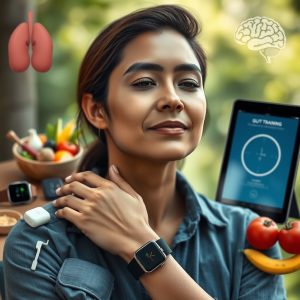
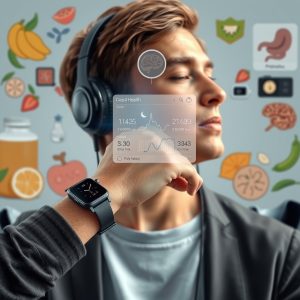
The integration of CGMs with other wearable health technology, such as fitness trackers and smartwatches, is creating a holistic approach to metabolic fitness. These devices can sync data, allowing users to see correlations between glucose levels, heart rate variability, sleep quality, and physical activity. For instance, a spike in glucose might coincide with poor sleep the night before, suggesting that sleep hygiene plays a role in metabolic regulation.
This interconnected data provides a more comprehensive picture of health, enabling users to fine-tune their habits for better outcomes. It’s no longer just about counting calories or steps—it’s about understanding how every aspect of daily life impacts the body’s internal processes.
The Power of Personalized Nutrition
Personalized nutrition takes the guesswork out of eating for optimal health. Unlike one-size-fits-all diet plans, personalized nutrition leverages data from CGMs, genetic testing, microbiome analysis, and lifestyle factors to create tailored dietary recommendations. This approach recognizes that each person’s metabolism is unique, influenced by genetics, gut bacteria, and even circadian rhythms.
For example, two people might eat the same meal, but their blood sugar responses could differ dramatically. One might experience a sharp spike, while the other maintains stable levels. Personalized nutrition accounts for these differences, recommending foods that align with an individual’s metabolic profile. This not only improves energy levels and weight management but also supports long-term health by reducing the risk of chronic diseases like type 2 diabetes and cardiovascular conditions.
The Role of the Gut Microbiome
The gut microbiome plays a pivotal role in metabolic fitness, influencing everything from digestion to immune resilience. Emerging research suggests that the composition of gut bacteria can affect how the body processes carbohydrates, fats, and proteins. Some microbes are more efficient at breaking down fiber, while others may contribute to inflammation or insulin resistance.
Personalized nutrition often includes recommendations to support a healthy microbiome, such as consuming probiotic-rich foods, prebiotic fibers, and fermented foods. By nurturing a diverse and balanced gut ecosystem, individuals can enhance their metabolic flexibility—the body’s ability to switch between burning carbohydrates and fats for fuel efficiently.
Intermittent Fasting and Metabolic Flexibility
Intermittent fasting (IF) is another tool gaining traction in the pursuit of metabolic fitness. By cycling between periods of eating and fasting, IF encourages the body to tap into fat stores for energy, promoting cellular regeneration and reducing inflammation. Studies suggest that IF can improve insulin sensitivity, lower blood sugar levels, and even support longevity by activating autophagy—a process where cells remove damaged components and regenerate.
When combined with CGMs and personalized nutrition, intermittent fasting becomes even more effective. For instance, a CGM can help determine the optimal fasting window by showing when blood sugar levels stabilize, indicating that the body has shifted into fat-burning mode. This data-driven approach ensures that fasting is not just a trend but a sustainable practice tailored to individual needs.
Active Recovery and Cortisol Regulation
Metabolic fitness isn’t just about what you eat—it’s also about how you move and recover. Active recovery, such as yoga, walking, or somatic exercise, plays a crucial role in regulating cortisol, the body’s primary stress hormone. Chronic stress and elevated cortisol levels can disrupt blood sugar balance, increase inflammation, and impair metabolic function.
Incorporating active recovery into a routine helps lower cortisol, improve insulin sensitivity, and enhance overall well-being. Techniques like contrast therapy—alternating between hot and cold exposure—can further support metabolic health by reducing inflammation and boosting circulation. These practices, when combined with CGMs and personalized nutrition, create a synergistic effect that optimizes metabolic fitness from multiple angles.
As we continue to unravel the complexities of human metabolism, the fusion of technology and personalized strategies is paving the way for a new era of health. Continuous glucose monitoring and tailored nutrition are no longer reserved for elite athletes or those with chronic conditions—they are becoming accessible tools for anyone seeking to enhance their well-being. By embracing these innovations, we can move beyond generic health advice and create a future where metabolic fitness is not just a goal but a sustainable, data-driven reality.