The Psychedelic Renaissance: How Ancient Therapies and Modern Science Are Restoring Cognitive Health and Immune Resilience

In the quiet corners of modern medicine, a revolution is unfolding—one that bridges the ancient and the cutting-edge, the mystical and the measurable. Psychedelic therapy, once relegated to the fringes of scientific inquiry, is now at the forefront of a paradigm shift in mental health, cognitive resilience, and even immune function. What was once dismissed as counterculture experimentation is now being validated by rigorous research, offering new hope for conditions that have long resisted conventional treatment.
The Science Behind the Shift
Psychedelics like psilocybin (found in “magic mushrooms”), MDMA, and ketamine are not just tools for altered states; they are catalysts for neuroplasticity—the brain’s ability to reorganize itself. Studies from institutions like Johns Hopkins, Imperial College London, and the Multidisciplinary Association for Psychedelic Studies (MAPS) have demonstrated their potential in treating depression, PTSD, anxiety, and even addiction. But how?
The answer lies in their ability to temporarily dissolve the brain’s default mode network (DMN), a system associated with self-referential thought, rumination, and the rigid patterns that characterize many mental health disorders. By disrupting these patterns, psychedelics create a window of opportunity for new neural connections to form. This isn’t just about temporary relief; it’s about rewiring the brain for lasting change.
The Gut-Brain-Psychedelic Axis
Emerging research suggests that the gut microbiome plays a crucial role in the efficacy of psychedelic therapy. The trillions of microbes residing in our digestive tract produce neurotransmitters like serotonin, which psychedelics like psilocybin closely mimic. A balanced microbiome may enhance the therapeutic effects of these compounds, while dysbiosis—an imbalance in gut bacteria—could dampen their impact.
This connection has led to a fascinating intersection of functional medicine and psychedelic therapy. Clinicians are now exploring how personalized nutrition, probiotics, and even intermittent fasting might optimize outcomes for patients undergoing psychedelic-assisted treatment. The gut, it seems, is not just a digestive organ but a key player in the mind’s healing journey.
Beyond Mental Health: Immune Resilience and Longevity
The benefits of psychedelic therapy extend beyond the mind. Chronic stress and inflammation are known to weaken immune resilience, accelerating aging and increasing susceptibility to disease. Psychedelics, particularly psilocybin, have been shown to reduce inflammation by modulating the immune system’s response. This anti-inflammatory effect may contribute to their potential in treating autoimmune conditions and even neurodegenerative diseases like Alzheimer’s.
Moreover, the mystical experiences often reported during psychedelic sessions—characterized by a sense of unity, transcendence, and profound meaning—have been linked to lasting improvements in well-being. These experiences can shift perspectives, reduce existential anxiety, and foster a greater sense of connection to oneself and the world. In an era where loneliness and disconnection are rampant, such shifts could have profound implications for public health.
The Role of Wearable Tech and Digital Therapeutics
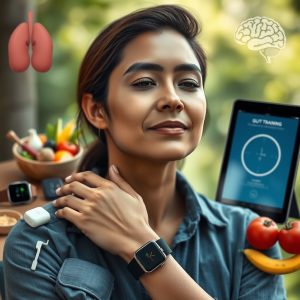
As psychedelic therapy moves into mainstream medicine, technology is playing a pivotal role in its integration. Wearable health devices, such as continuous glucose monitors and heart rate variability trackers, are being used to monitor patients’ physiological responses during and after psychedelic sessions. These tools provide real-time data on stress levels, metabolic function, and autonomic nervous system activity, allowing clinicians to tailor treatments with unprecedented precision.
Digital therapeutics are also emerging as complementary tools. Apps designed to guide integration—helping patients process and apply insights from their psychedelic experiences—are becoming essential components of treatment protocols. These platforms offer meditation, journaling prompts, and cognitive behavioral exercises, bridging the gap between the therapy session and daily life.
The Future of Psychedelic Therapy
The path forward for psychedelic therapy is not without challenges. Legal and regulatory hurdles remain, and the stigma associated with these substances persists. However, the momentum is undeniable. Countries like Canada and Australia have already approved psilocybin and MDMA for therapeutic use under strict conditions, and the U.S. is following suit with breakthrough therapy designations from the FDA.
As research expands, so too does our understanding of how these compounds interact with the body and mind. The potential applications are vast—from treating trauma and addiction to enhancing creativity and cognitive flexibility. But perhaps the most exciting possibility is their role in preventive healthcare. By addressing the root causes of mental and physical distress, psychedelic therapy could help individuals build resilience before conditions become chronic.
Imagine a future where a single, carefully guided psychedelic session, combined with personalized nutrition, somatic exercises, and wearable tech monitoring, could reset the nervous system, reduce inflammation, and restore balance to the gut-brain axis. This is not science fiction; it is the direction in which modern medicine is headed. The psychedelic renaissance is not just about healing what is broken—it is about unlocking the full potential of human health, one mind at a time.