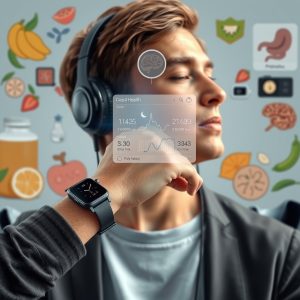
The Gut-Brain-Sleep Axis: How Microbiome Balance, Wearable Tech, and Sleep Hygiene Shape Cognitive Resilience and Longevity
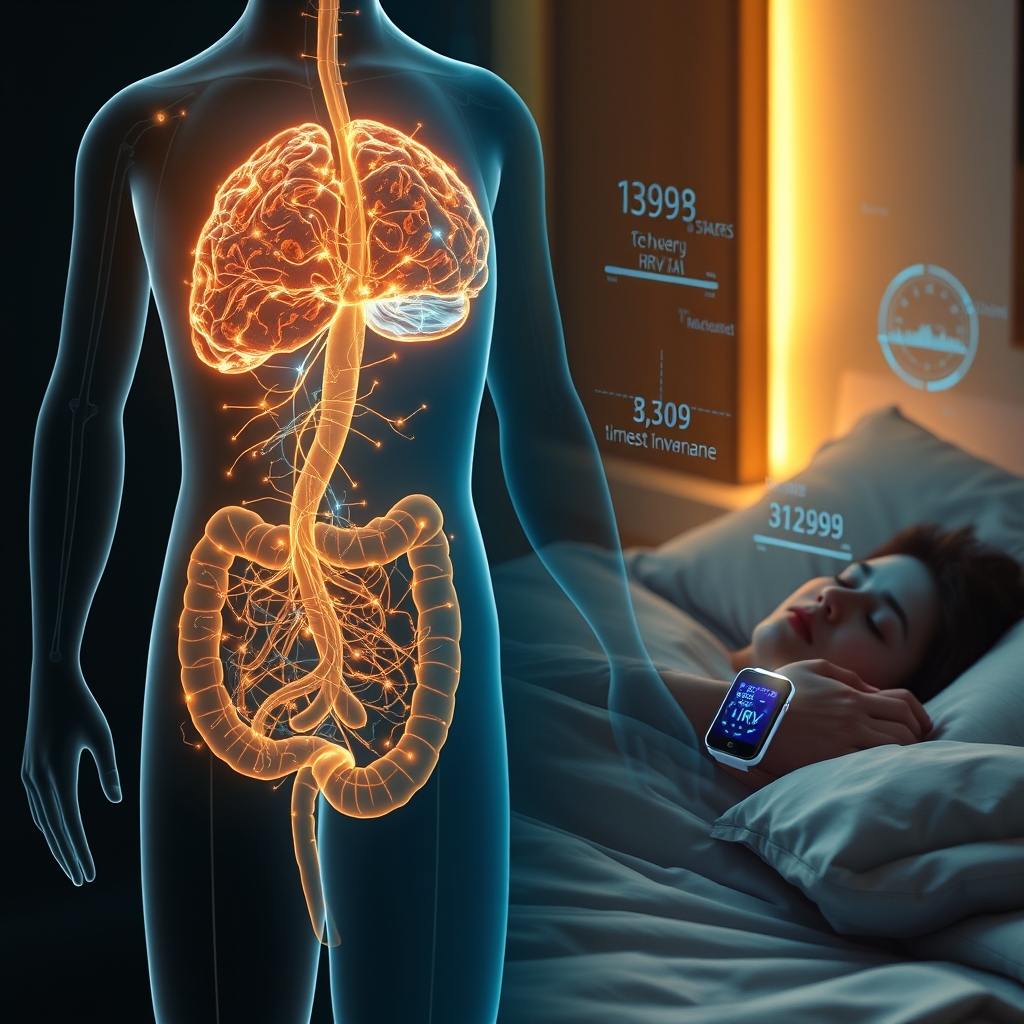
The intersection of gut health, cognitive function, and sleep has emerged as one of the most compelling frontiers in modern wellness. While each of these domains has long been studied in isolation, cutting-edge research now reveals a dynamic, bidirectional relationship—what scientists call the gut-brain-sleep axis. This intricate network suggests that the trillions of microbes residing in your gut don’t just influence digestion; they also modulate mood, memory, and even the quality of your sleep. Meanwhile, wearable health technology and personalized interventions are providing unprecedented insights into how we can optimize this axis for better mental clarity, emotional balance, and longevity.
The Microbiome’s Surprising Role in Cognitive Health
For decades, the brain was considered the sole master of cognitive function, shielded by the blood-brain barrier. However, recent studies have dismantled this notion, showing that the gut microbiome communicates directly with the brain via the vagus nerve, immune system, and metabolic byproducts like short-chain fatty acids (SCFAs). These microbial metabolites don’t just support gut integrity; they cross into the bloodstream and influence neuroinflammation, neurotransmitter production, and even the growth of new brain cells.
A 2023 study published in Nature Mental Health found that individuals with diverse gut microbiomes exhibited better cognitive flexibility and lower levels of anxiety and depression. The researchers linked these benefits to specific bacterial strains, such as Lactobacillus and Bifidobacterium, which produce gamma-aminobutyric acid (GABA), a neurotransmitter that promotes calm and focus. Conversely, an imbalance in gut bacteria—often triggered by poor diet, chronic stress, or antibiotics—has been associated with cognitive decline, brain fog, and an increased risk of neurodegenerative diseases like Alzheimer’s.
Wearable Tech: The Bridge Between Gut Health and Cognitive Performance
While the gut-brain connection is fascinating, translating this knowledge into actionable insights has historically been challenging. Enter wearable health technology. Devices like continuous glucose monitors (CGMs), heart rate variability (HRV) trackers, and even emerging microbiome sensors are now enabling individuals to monitor how their lifestyle choices impact both gut health and cognitive function in real time.
For example, CGMs reveal how different foods affect blood sugar stability—a key factor in gut microbiome composition. Spikes in glucose can disrupt microbial balance, leading to inflammation that impairs cognitive performance. By tracking these patterns, users can adjust their diets to favor foods that stabilize blood sugar, such as fiber-rich vegetables, healthy fats, and fermented foods, which in turn support a thriving gut ecosystem.
Similarly, HRV trackers provide insights into the body’s stress response, which is closely tied to gut health. Chronic stress elevates cortisol levels, disrupting the gut barrier and allowing harmful bacteria to proliferate. Wearables that monitor HRV can alert users to stress spikes, prompting interventions like deep breathing, somatic exercises, or even psychedelic-assisted therapy (in clinical settings) to restore balance.
The Sleep-Microbiome Feedback Loop
If the gut influences the brain, and the brain influences sleep, then it follows that the microbiome plays a pivotal role in sleep quality. Research has shown that gut bacteria produce melatonin, serotonin, and other sleep-regulating neurotransmitters. A 2022 study in Cell Reports Medicine found that individuals with insomnia had significantly lower levels of Faecalibacterium and Roseburia, two bacterial strains associated with anti-inflammatory effects and better sleep architecture.
Moreover, poor sleep disrupts the gut microbiome, creating a vicious cycle. Sleep deprivation increases intestinal permeability (often called “leaky gut”), allowing bacterial endotoxins to enter the bloodstream and trigger systemic inflammation. This inflammation not only impairs cognitive function but also disrupts circadian rhythms, making it harder to fall and stay asleep. The result is a feedback loop where gut dysbiosis and poor sleep perpetuate each other, accelerating cognitive decline and metabolic dysfunction.
Personalized Interventions for the Gut-Brain-Sleep Axis
Given the complexity of the gut-brain-sleep axis, a one-size-fits-all approach to optimization is ineffective. Instead, personalized strategies that integrate data from wearables, microbiome testing, and lifestyle assessments are proving most effective. Here’s how individuals can start hacking this axis for better cognitive resilience and longevity:
- Dietary Adjustments: Prioritize a diverse, fiber-rich diet that includes prebiotic foods (like garlic, onions, and asparagus) and probiotic foods (such as kimchi, kefir, and sauerkraut). Polyphenol-rich foods like berries and dark chocolate also support beneficial gut bacteria. Wearables like CGMs can help identify which foods optimize blood sugar and, by extension, gut health.
- Sleep Hygiene: Beyond the basics of sleep hygiene (consistent bedtime, dark and cool environment), emerging tools like smart mattresses and sleep trackers can provide insights into sleep stages and disturbances. Pairing these with microbiome-supportive habits—such as avoiding late-night eating, which disrupts gut bacteria—can enhance sleep quality.
- Stress Management: Chronic stress is a gut microbiome disruptor. Wearables that track HRV can help users identify stress triggers and implement real-time interventions like somatic exercises, breathwork, or even contrast therapy (e.g., cold showers or sauna sessions) to lower cortisol and restore gut balance.
- Targeted Supplementation: While diet is foundational, supplements like omega-3 fatty acids, magnesium, and specific probiotic strains (e.g., Lactobacillus rhamnosus) have been shown to support gut-brain communication and sleep quality. Personalized nutrition platforms can recommend supplements based on individual microbiome and metabolic data.
- Digital Therapeutics: Apps that guide meditation, cognitive behavioral therapy for insomnia (CBT-I), or even gut-directed hypnotherapy are gaining traction. These tools, often paired with wearables, provide real-time feedback and personalized protocols to improve both gut health and sleep.
The Future of Cognitive Resilience and Longevity
The gut-brain-sleep axis represents a paradigm shift in how we approach cognitive health and longevity. No longer can we treat the gut, brain, and sleep as separate entities; instead, we must view them as interconnected systems that either support or undermine each other. The rise of wearable health technology and personalized interventions is democratizing access to this knowledge, allowing individuals to take a proactive role in their well-being.
As research continues to unravel the complexities of this axis, the potential for preventive healthcare grows exponentially. Imagine a future where a simple stool test or wearable sensor can predict cognitive decline years before symptoms appear, or where personalized nutrition plans can optimize both gut health and sleep quality to extend healthspan. The tools to achieve this future are already here; the challenge lies in integrating them into our daily lives in a way that is both sustainable and effective.
What’s clear is that the path to cognitive resilience and longevity is not just about what we eat or how we sleep, but how these elements interact within the intricate web of our biology. By embracing a holistic approach—one that leverages the latest in technology, science, and personalized care—we can unlock new levels of mental clarity, emotional balance, and vitality, rewriting the narrative of aging in the process.