
The Unseen Battle: How Insulin Resistance Fuels Metabolic Dysfunction and Chronic Disease
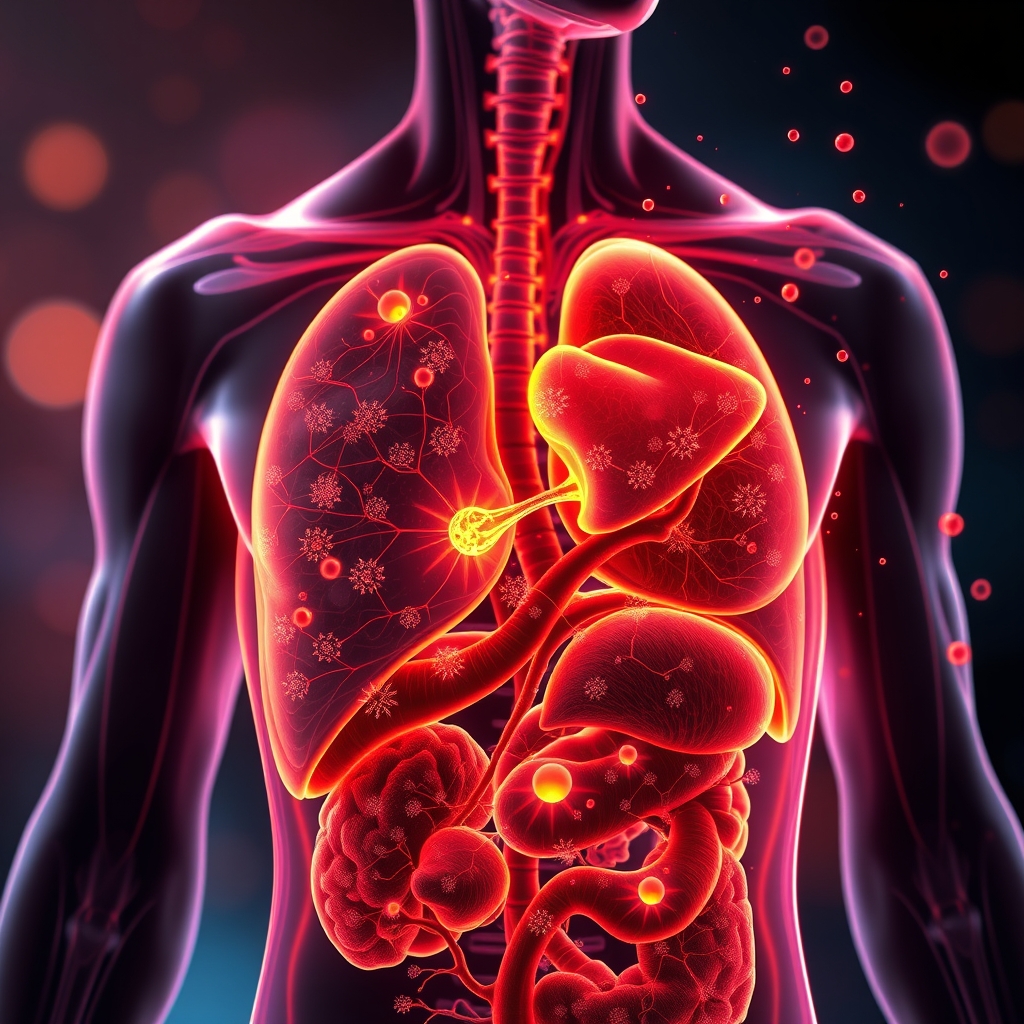
Insulin resistance has quietly become one of the most pervasive health challenges of the 21st century, yet its far-reaching consequences remain underestimated by many. This metabolic dysfunction, where cells fail to respond effectively to insulin, sets off a cascade of physiological disruptions that extend far beyond blood sugar control. As the body struggles to maintain equilibrium, the repercussions ripple through nearly every system, accelerating the onset of chronic diseases that define modern health crises.
The Metabolic Domino Effect
At its core, insulin resistance forces the pancreas to produce more insulin to compensate for the body’s diminished response. Over time, this hyperinsulinemia creates a vicious cycle—elevated insulin levels promote fat storage, particularly visceral fat, which in turn secretes inflammatory cytokines that further impair insulin signaling. The liver, overwhelmed by excess glucose, begins converting it into triglycerides, contributing to fatty liver disease and dyslipidemia. These interconnected pathways illustrate how a single metabolic glitch can unravel the body’s intricate balance.
Emerging research reveals that insulin resistance doesn’t merely affect glucose metabolism. It also disrupts mitochondrial function, reducing cellular energy production and increasing oxidative stress. This energy deficit manifests in fatigue, muscle weakness, and even cognitive impairment—symptoms often dismissed as normal aging or stress. The connection between insulin resistance and sarcopenia, the age-related loss of muscle mass, is particularly alarming. As muscle tissue becomes less responsive to insulin, protein synthesis declines, accelerating frailty and reducing mobility, which further exacerbates metabolic dysfunction.
The Inflammatory Connection
One of the most insidious aspects of insulin resistance is its role in perpetuating chronic inflammation. The same inflammatory markers elevated in conditions like obesity and type 2 diabetes—such as C-reactive protein (CRP) and interleukin-6 (IL-6)—are also implicated in neuroinflammation. This creates a troubling link between metabolic dysfunction and cognitive decline, with studies suggesting that insulin resistance may increase the risk of Alzheimer’s disease by up to 50%. The brain, once thought to be insulated from metabolic disturbances, is now recognized as a target of insulin’s far-reaching effects.
This inflammatory milieu also weakens the immune system, leaving the body more vulnerable to infections and slower to recover. Recent data indicates that individuals with insulin resistance are at higher risk for severe outcomes from viral infections, including long COVID. The prolonged inflammation seen in long COVID may, in turn, worsen insulin resistance, creating a feedback loop that prolongs symptoms like brain fog, fatigue, and cardiovascular strain. The interplay between metabolic health and immune resilience has never been more critical, especially as antimicrobial resistance rises and zoonotic infections like bird flu and hantavirus pose new threats.
Beyond the Blood Sugar: A Systemic Crisis
While insulin resistance is often framed as a precursor to type 2 diabetes, its impact extends to nearly every organ system. In the cardiovascular system, it promotes atherosclerosis by damaging endothelial cells and increasing the production of pro-thrombotic factors. The kidneys, tasked with filtering excess glucose, become overworked, leading to chronic kidney disease. Even the skin isn’t spared—insulin resistance is linked to conditions like acanthosis nigricans and polycystic ovary syndrome (PCOS), which affects up to 10% of women of reproductive age.
Perhaps most concerning is the way insulin resistance intersects with other modern health epidemics. Adolescent depression, for instance, has been linked to metabolic dysfunction, with studies showing that teens with insulin resistance are more likely to experience severe anxiety and mood disorders. The gut-brain axis, already a focal point in neuroinflammation research, is also disrupted by insulin resistance, altering the microbiome and increasing intestinal permeability—a phenomenon often referred to as “leaky gut.” This gut dysbiosis can trigger autoimmune responses, further complicating the body’s ability to regulate inflammation.
Breaking the Cycle: Strategies for Resilience
The good news is that insulin resistance is not an irreversible sentence. Lifestyle interventions remain the most powerful tools for restoring metabolic flexibility. Dietary changes, such as reducing refined carbohydrates and increasing fiber intake, can improve insulin sensitivity within weeks. Resistance training, in particular, has been shown to enhance glucose uptake in muscles, bypassing the need for excessive insulin. Even small increases in physical activity—like walking after meals—can have a profound impact on blood sugar control.
Emerging therapies are also offering hope. Medications like GLP-1 agonists, originally developed for diabetes, are now being explored for their potential to reduce inflammation and promote weight loss. Meanwhile, research into the gut microbiome suggests that probiotics and prebiotics may help restore metabolic balance. However, these interventions are most effective when combined with a holistic approach that addresses sleep, stress, and environmental toxins—all of which play a role in insulin resistance.
As the global burden of chronic disease continues to rise, understanding the central role of insulin resistance is essential. It is not merely a metabolic issue but a systemic one, influencing everything from mental health to immune function. By recognizing the early signs—such as unexplained weight gain, fatigue, or frequent infections—individuals can take proactive steps to reclaim their health. The battle against metabolic dysfunction is far from lost, but it requires a shift in how we perceive and prioritize our body’s intricate systems. The choices we make today, from the foods we eat to the way we move, will determine whether insulin resistance remains a silent epidemic or becomes a catalyst for lasting change.