The Metabolic Mind: How Continuous Glucose Monitoring and Active Recovery Are Redefining Cognitive Health and Immune Resilience
In an era where health optimization is no longer confined to the gym or the doctor’s office, a quiet revolution is unfolding—one that merges cutting-edge technology with ancient biological wisdom. At the heart of this shift lies the recognition that metabolic health is not just about weight or energy levels; it is the foundation of cognitive clarity, emotional balance, and even immune resilience. Tools like continuous glucose monitoring (CGM) and practices such as active recovery are emerging as powerful allies in this journey, offering real-time insights into how our bodies—and minds—function under the surface.
The Glucose-Cognition Connection
For decades, glucose was primarily associated with diabetes management. Yet, recent research has revealed its profound influence on brain function. The brain, despite accounting for only 2% of body weight, consumes roughly 20% of the body’s glucose supply. Fluctuations in blood sugar levels don’t just affect energy; they can impair focus, memory, and even mood. Studies have shown that spikes and crashes in glucose can exacerbate symptoms of anxiety and depression, while stable levels correlate with improved cognitive performance and emotional regulation.
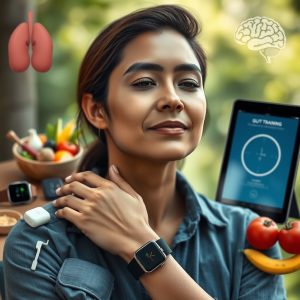
This is where continuous glucose monitoring steps in as a game-changer. Unlike traditional finger-prick tests, CGMs provide a dynamic, 24/7 snapshot of glucose trends, allowing users to identify patterns in how their bodies respond to food, stress, and activity. For example, someone might discover that a seemingly healthy breakfast of oatmeal and fruit sends their glucose soaring, followed by a crash that leaves them foggy and irritable. Armed with this data, they can adjust their diet—perhaps swapping refined carbs for protein and healthy fats—to maintain steady energy and mental clarity throughout the day.
Beyond the Numbers: The Role of Active Recovery
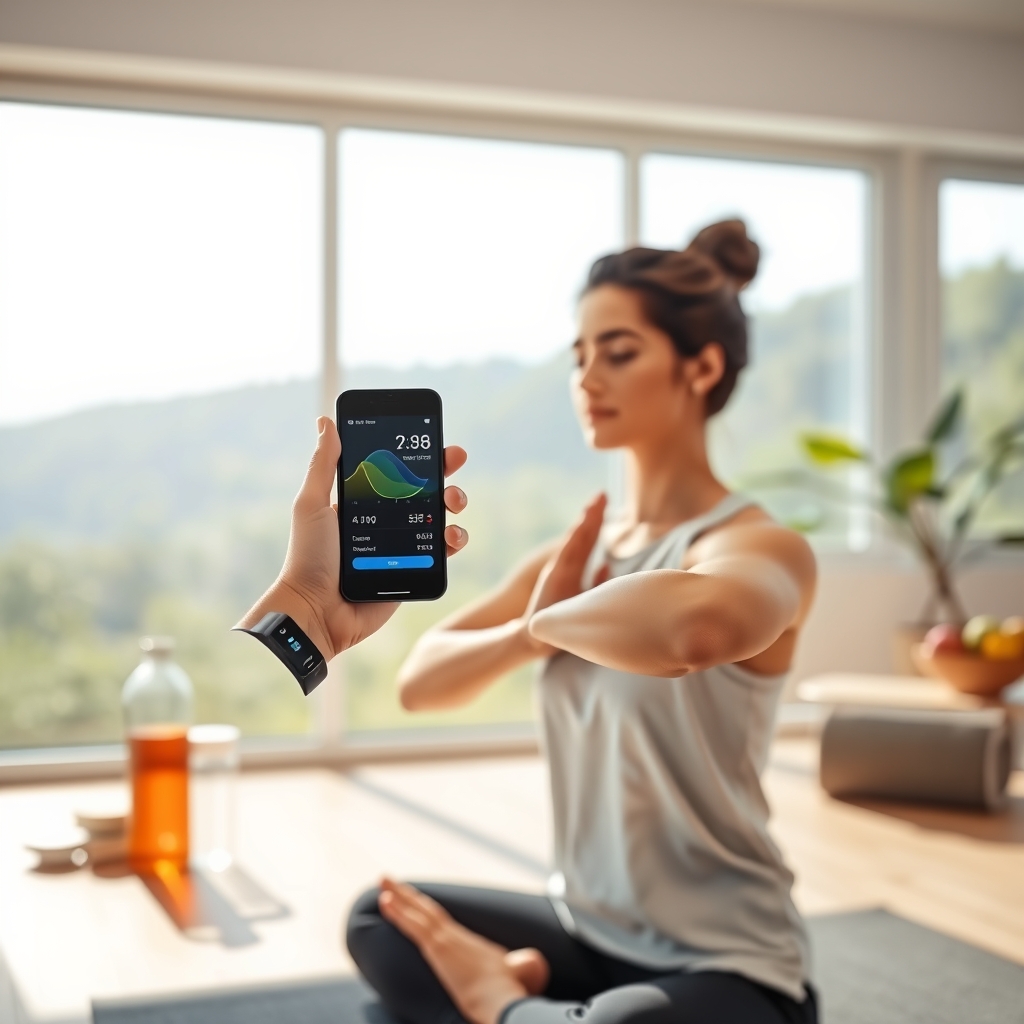
While CGMs offer a window into metabolic health, active recovery provides the tools to optimize it. Unlike passive rest, active recovery involves low-intensity movement—think yoga, walking, or swimming—that promotes circulation, reduces inflammation, and supports cellular regeneration. These practices are particularly valuable for metabolic fitness because they help regulate cortisol, the body’s primary stress hormone. Chronic cortisol elevation is a known disruptor of glucose metabolism, contributing to insulin resistance and cognitive decline over time.
Active recovery also plays a critical role in immune resilience. Moderate, consistent movement has been shown to enhance the function of immune cells, while intense, prolonged exercise can temporarily suppress immunity. By incorporating gentle, restorative activities into their routines, individuals can strike a balance—supporting metabolic health without overtaxing their systems. This is especially relevant for those managing high-stress lifestyles, where the line between productive hustle and burnout is often blurred.
The Intersection of Technology and Tradition
The fusion of wearable health technology and time-honored practices like active recovery represents a broader trend in modern wellness: the democratization of personalized health. No longer are these tools and techniques reserved for elite athletes or patients with chronic conditions. Today, anyone with a smartphone and a CGM can access the kind of data once available only to researchers or clinicians. This shift empowers individuals to take ownership of their health, making informed decisions about diet, exercise, and stress management based on real-time feedback.
Yet, technology alone is not a panacea. The most effective approaches combine data-driven insights with intuitive, embodied practices. For instance, someone using a CGM might notice that their glucose levels stabilize after a 20-minute walk post-meal—a simple, low-tech intervention that aligns with the principles of active recovery. Similarly, pairing CGM data with mindfulness techniques can help individuals recognize how stress impacts their metabolism, fostering a deeper connection between mind and body.
Metabolic Health as a Keystone of Longevity
The implications of this metabolic-cognitive link extend far beyond daily well-being. Research in longevity medicine suggests that optimizing glucose metabolism is one of the most effective strategies for extending healthspan—the period of life spent free from chronic disease. Conditions like Alzheimer’s, often referred to as “type 3 diabetes,” are increasingly linked to insulin resistance in the brain. By maintaining metabolic flexibility—the body’s ability to switch efficiently between burning glucose and fat—individuals may reduce their risk of neurodegenerative diseases and other age-related conditions.
Moreover, metabolic health is intrinsically tied to immune resilience. Chronic inflammation, a hallmark of metabolic dysfunction, weakens the immune system’s ability to respond to threats. Conversely, a well-regulated metabolism supports a robust immune response, reducing susceptibility to infections and autoimmune disorders. This interconnectedness underscores the importance of viewing health holistically, rather than in isolated silos.
The Future of Personalized Wellness
As the fields of functional medicine and preventive healthcare continue to evolve, the integration of tools like CGMs and practices like active recovery will likely become standard. Already, digital therapeutics platforms are emerging that combine wearable data with AI-driven coaching, offering tailored recommendations for diet, exercise, and stress management. These innovations hold the promise of making personalized wellness accessible to a broader audience, bridging the gap between clinical care and everyday life.
Yet, the true power of this approach lies not in the technology itself, but in the way it encourages individuals to listen to their bodies. A CGM might reveal that a late-night snack disrupts sleep, or that a stressful meeting sends glucose soaring. Active recovery might teach someone to recognize the difference between physical fatigue and mental exhaustion. Together, these tools and practices foster a deeper understanding of how lifestyle choices impact health, empowering people to make changes that resonate on a cellular level.
In a world where health is often reduced to numbers on a scale or steps on a tracker, the metabolic mind offers a more nuanced perspective. It reminds us that true wellness is not just about avoiding disease, but about cultivating vitality—one glucose reading, one mindful breath, and one restorative movement at a time. The journey toward optimal health is not a sprint, but a series of small, intentional choices that add up to a life lived with clarity, resilience, and purpose.