Empowering Patients Through Data-Driven, Human-Centric Healthcare Delivery
In an era where technology and medicine intersect more than ever, the healthcare landscape is undergoing a profound transformation. The shift from traditional, one-size-fits-all treatment models to personalized patient care is not just a trend—it’s a necessity. Patients today demand more than just clinical expertise; they seek a healthcare experience that is tailored to their unique needs, preferences, and lifestyles. This evolution is made possible through the integration of evidence-based treatment pathways, digital health monitoring, and collaborative care models, all of which are redefining what it means to deliver truly patient-centric wellness plans.
The Foundation of Personalized Care: Evidence-Based Pathways
At the heart of modern healthcare lies the principle of evidence-based treatment pathways. These pathways are not static; they are dynamic frameworks that evolve with emerging research, clinical data, and patient outcomes. By leveraging real-time health analytics, healthcare providers can now make data-driven clinical decisions that are both precise and adaptable. For instance, a patient with a chronic condition like diabetes no longer has to rely on generic treatment protocols. Instead, their care team can analyze continuous glucose monitoring data, lifestyle factors, and genetic predispositions to craft a bespoke recovery journey that aligns with their specific needs.
This approach doesn’t just improve clinical outcomes—it enhances the patient experience. When individuals feel that their treatment is uniquely theirs, they are more likely to engage actively in their care. This engagement is further amplified when integrated therapeutic approaches are employed, combining pharmacological treatments with behavioral therapy, nutrition counseling, and even digital therapeutics. The result is a holistic treatment plan that addresses the whole person, not just the disease.
The Role of Technology in Seamless Care Coordination
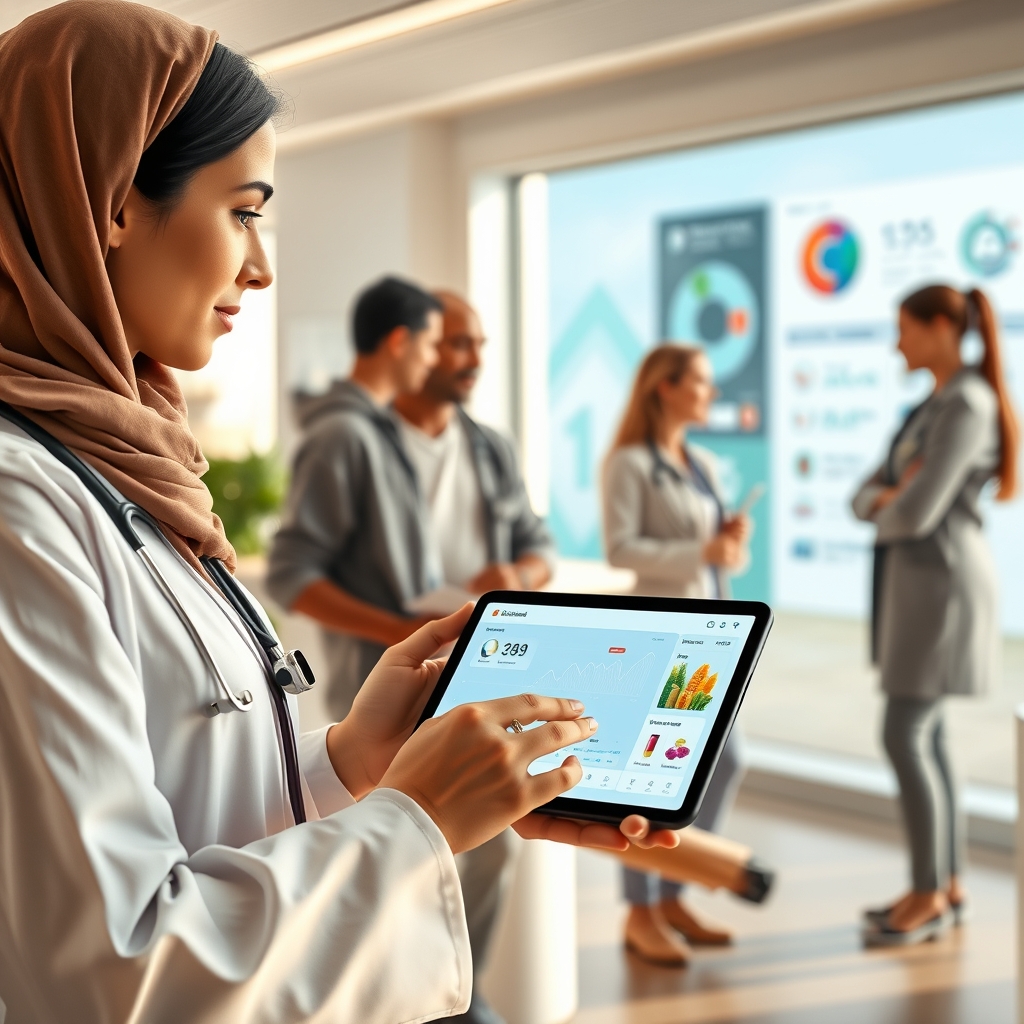
Technology is the backbone of this new healthcare paradigm. Digital health monitoring tools, such as wearable devices and mobile health apps, provide a continuous stream of data that enables responsive treatment adjustment. For example, a patient recovering from cardiac surgery can use a smartwatch to track their heart rate, activity levels, and sleep patterns. This data is then shared in real time with their care team, allowing for immediate interventions if any anomalies are detected. Such seamless care coordination ensures that patients receive the right care at the right time, reducing the risk of complications and hospital readmissions.
Moreover, technology-assisted therapy is breaking down barriers to access. Telemedicine platforms, AI-driven chatbots, and virtual reality therapy sessions are making healthcare more accessible, especially for those in remote or underserved areas. These tools are not replacing the human touch in healthcare; rather, they are enhancing it by freeing up clinicians to focus on what they do best—building meaningful relationships with their patients and delivering human-centric healthcare delivery.
From Reactive to Preventive: The Rise of Proactive Care
One of the most significant shifts in modern healthcare is the move from reactive to preventive care. Preventive treatment protocols are designed to identify and mitigate health risks before they escalate into serious conditions. This proactive approach is powered by real-time health analytics, which can predict potential health issues based on patterns in a patient’s data. For instance, machine learning algorithms can analyze a patient’s electronic health records to identify early signs of conditions like hypertension or prediabetes, allowing for early intervention.
This shift is also reflected in the growing emphasis on comprehensive wellness management. Healthcare providers are increasingly adopting a holistic treatment integration approach, where physical health is considered alongside mental, emotional, and social well-being. Programs that combine fitness tracking, mental health support, and nutritional guidance are becoming standard in patient-centric wellness plans. The goal is to empower patients to take control of their health, not just manage their illnesses.
Collaborative Care: The Power of Teamwork in Healthcare
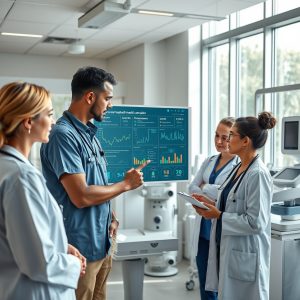
No single healthcare provider can address all aspects of a patient’s well-being. This is where collaborative care models come into play. These models bring together a multidisciplinary team of physicians, nurses, therapists, nutritionists, and even social workers to create a unified care plan. By fostering open communication and shared decision-making, these teams ensure that every aspect of a patient’s health is considered. For example, a patient with depression might work with a psychiatrist, a primary care physician, and a wellness coach to address their mental health, physical health, and lifestyle factors simultaneously.
This team-based approach is particularly effective in managing complex, chronic conditions. It ensures that care is not fragmented but rather outcome-focused, with every intervention aimed at achieving specific, measurable goals. Moreover, it aligns with the principles of value-based medical services, where the quality of care—not the quantity of services—determines success. In this model, healthcare providers are incentivized to keep patients healthy, rather than simply treating them when they are sick.
The Future of Healthcare: A Balance of Technology and Humanity
As healthcare continues to evolve, the challenge will be to strike the right balance between technology and humanity. While digital health monitoring and real-time analytics provide invaluable insights, they must be used to enhance—not replace—the human connection that is at the core of healing. The most successful healthcare systems will be those that leverage technology to deliver personalized patient care while maintaining a deep commitment to human-centric healthcare delivery.
The journey toward this future is already underway. Hospitals and clinics around the world are adopting adaptive recovery strategies and bespoke recovery journeys that prioritize the individual. Patients are no longer passive recipients of care; they are active participants in their health, empowered by data, supported by technology, and guided by compassionate professionals. This is not just the future of healthcare—it is the present, and it is transforming lives one patient at a time.