
The Future of Healthcare: How Personalized Patient Care is Revolutionizing Treatment Outcomes
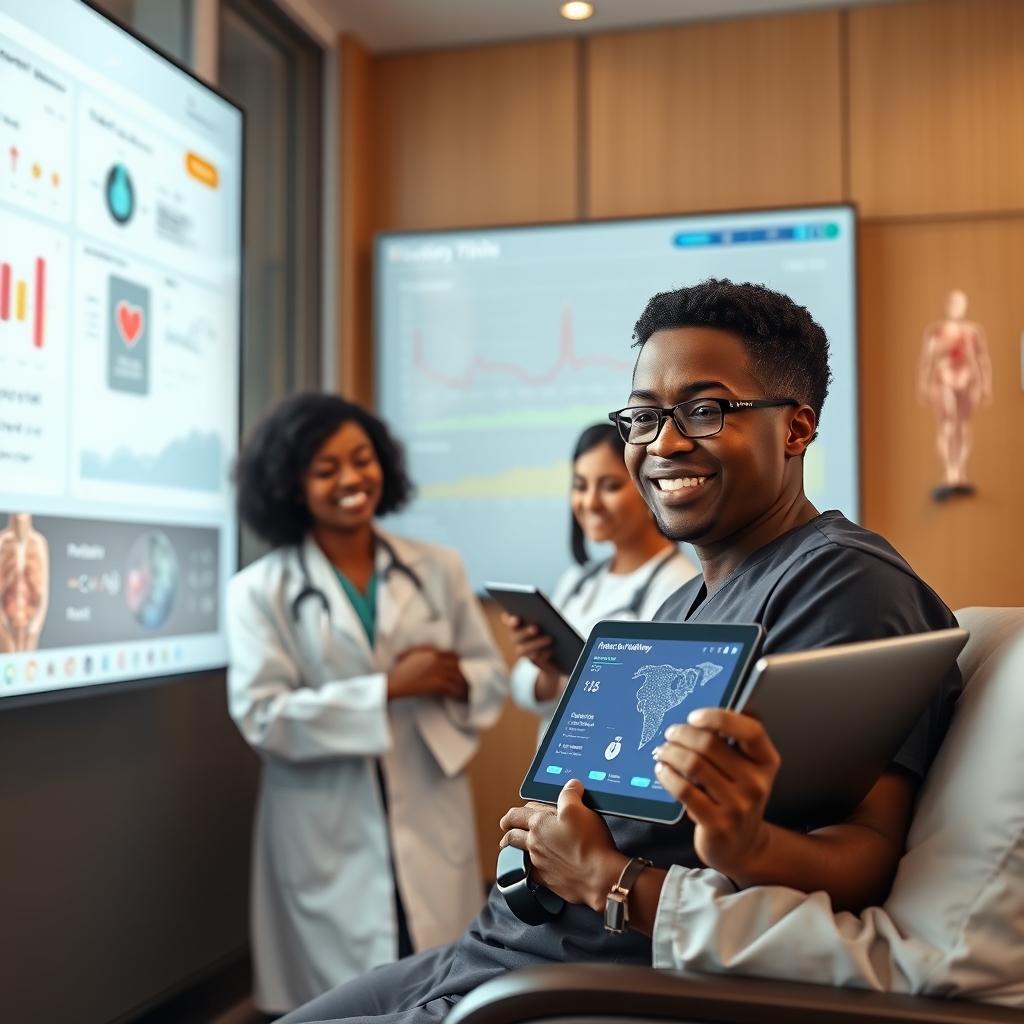
In an era where technology and medicine intersect more than ever, the healthcare landscape is undergoing a profound transformation. The shift from one-size-fits-all treatment models to personalized patient care is not just a trend—it’s a necessity. Patients today demand more than just clinical expertise; they seek a healthcare experience that is tailored to their unique needs, preferences, and lifestyles. This evolution is driven by advancements in digital health monitoring, data-driven clinical decisions, and integrated therapeutic approaches, all of which are redefining what it means to deliver human-centric healthcare.
The Rise of Patient-Centric Wellness Plans
Gone are the days when healthcare was solely about treating symptoms. Modern medicine emphasizes patient-centric wellness plans that focus on prevention, early intervention, and long-term well-being. These plans are designed to address the whole person—mind, body, and spirit—rather than just isolated health issues. By leveraging real-time health analytics, clinicians can now track patient progress with unprecedented precision, adjusting treatments in response to subtle changes in health metrics. This proactive approach not only improves outcomes but also empowers patients to take an active role in their own care.
For example, a patient with chronic diabetes no longer has to rely solely on periodic doctor visits. With digital health monitoring tools like continuous glucose monitors and wearable devices, they can receive real-time feedback on their condition. This data is then integrated into their bespoke recovery journey, allowing healthcare providers to make responsive treatment adjustments that align with the patient’s daily life. The result? Fewer hospitalizations, better quality of life, and a stronger sense of control over one’s health.
Evidence-Based Treatment Pathways: The Backbone of Modern Medicine
At the heart of personalized care lies evidence-based treatment pathways, which ensure that clinical decisions are grounded in the latest research and data. These pathways provide a structured framework for diagnosing and treating conditions, but they are far from rigid. Instead, they are designed to be flexible, adapting to the unique circumstances of each patient. This balance between standardization and customization is what makes outcome-focused clinical care possible.
Consider the treatment of mental health disorders. Traditional approaches often relied on a trial-and-error method to find the right medication or therapy. Today, technology-assisted therapy and data-driven clinical decisions allow clinicians to predict which treatments are most likely to succeed for a given individual. Genetic testing, for instance, can reveal how a patient might respond to certain antidepressants, reducing the guesswork and accelerating the path to recovery. Similarly, collaborative care models bring together psychiatrists, primary care physicians, and therapists to create a unified treatment plan that addresses all aspects of a patient’s well-being.
Integrated Therapeutic Approaches: Breaking Down Silos
One of the most significant challenges in healthcare has been the fragmentation of services. Patients often find themselves navigating a maze of specialists, each focused on a specific aspect of their health, with little coordination between them. Integrated therapeutic approaches aim to change this by fostering seamless care coordination across disciplines. Whether it’s combining physical therapy with mental health support or integrating nutrition counseling into a diabetes management plan, these approaches ensure that all facets of a patient’s health are addressed in a cohesive manner.
A prime example of this is the growing adoption of holistic treatment integration in cancer care. Oncologists, nutritionists, psychologists, and palliative care specialists now work together to create a comprehensive plan that not only targets the disease but also supports the patient’s emotional and physical resilience. This adaptive recovery strategy recognizes that healing is not just about eradicating illness but also about nurturing the whole person.
The Role of Technology in Shaping the Future of Healthcare
Technology is the great enabler of personalized care. From digital health monitoring devices that track vital signs to AI-powered platforms that analyze patient data, these tools are making it possible to deliver value-based medical services that prioritize outcomes over volume. Real-time health analytics allow clinicians to identify trends and intervene before minor issues become major problems, while preventive treatment protocols shift the focus from reactive to proactive care.
Telemedicine is another game-changer, particularly for patients in remote or underserved areas. Virtual consultations, remote monitoring, and digital therapy platforms are breaking down geographical barriers, ensuring that everyone has access to high-quality care. Moreover, these technologies are enhancing patient experience optimization by making healthcare more convenient, accessible, and responsive to individual needs.
Collaborative Care Models: A Team Effort
The future of healthcare is collaborative. Collaborative care models bring together a diverse team of healthcare providers—doctors, nurses, therapists, social workers, and even community health workers—to deliver comprehensive, coordinated care. This team-based approach ensures that no aspect of a patient’s health is overlooked and that treatments are aligned with their personal goals and values.
For instance, a patient recovering from a heart attack might work with a cardiologist, a physical therapist, a dietitian, and a mental health counselor. Each member of the team contributes their expertise, but they also communicate regularly to ensure that the patient’s care plan is cohesive and adaptive. This model not only improves clinical outcomes but also fosters a sense of trust and partnership between patients and their healthcare providers.
As healthcare continues to evolve, the focus on personalization will only grow stronger. The integration of technology, data, and human-centric approaches is creating a system where treatments are not just effective but also meaningful to the individuals they serve. This shift is not just about improving health outcomes—it’s about redefining the very essence of healthcare, making it more responsive, inclusive, and empowering for everyone. The journey toward truly personalized care is just beginning, and its potential to transform lives is limitless.