The Future of Healthcare: How Personalized Patient Care is Revolutionizing Treatment Outcomes
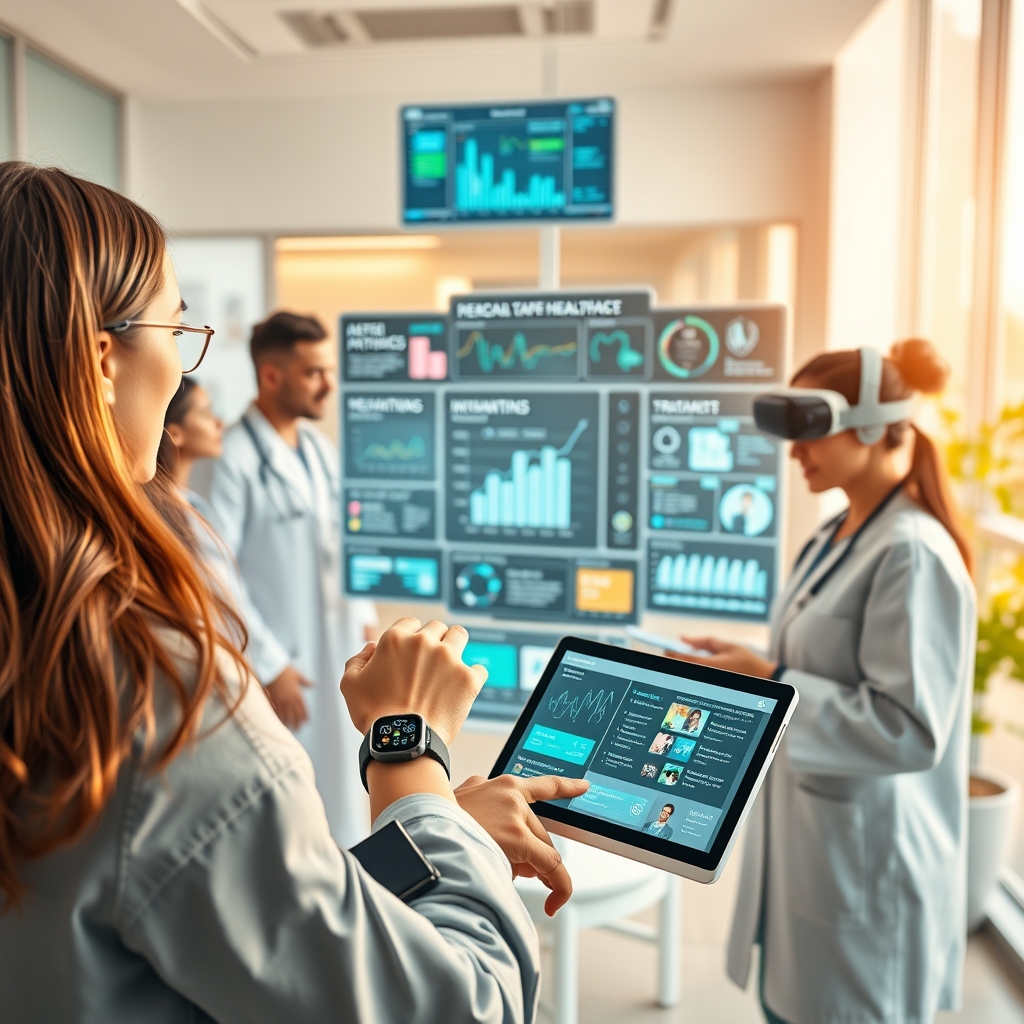
In an era where technology and medicine intersect more than ever, the healthcare landscape is undergoing a profound transformation. The shift from a one-size-fits-all approach to personalized patient care is not just a trend—it’s a necessity. Patients today demand more than just treatment; they seek a healthcare experience that is tailored to their unique needs, preferences, and lifestyles. This evolution is driven by advancements in digital health monitoring, data-driven clinical decisions, and integrated therapeutic approaches, all of which are redefining what it means to deliver human-centric healthcare.
The Rise of Patient-Centric Wellness Plans
Gone are the days when healthcare was solely about diagnosing and treating illnesses. Modern healthcare systems are increasingly adopting patient-centric wellness plans that focus on prevention, early intervention, and long-term well-being. These plans are designed to empower patients by involving them in every step of their care journey. From preventive treatment protocols to adaptive recovery strategies, the emphasis is on creating a holistic experience that addresses not just the physical, but also the emotional and mental aspects of health.
For instance, a patient with chronic diabetes no longer receives generic advice. Instead, their care plan might include real-time glucose monitoring through wearable devices, personalized dietary recommendations based on their metabolic data, and regular check-ins with a multidisciplinary care team. This level of customization ensures that treatment is not only effective but also sustainable, reducing the likelihood of complications and hospital readmissions.
Evidence-Based Treatment Pathways: The Backbone of Modern Medicine
At the heart of personalized patient care lies evidence-based treatment pathways. These pathways are built on a foundation of clinical research, patient data, and real-world outcomes, ensuring that every decision made is grounded in science. By leveraging real-time health analytics, healthcare providers can identify patterns, predict risks, and adjust treatments dynamically. This approach minimizes guesswork and maximizes the likelihood of positive outcomes.
Consider the treatment of cardiovascular diseases. Traditionally, patients might have been prescribed a standard set of medications and lifestyle changes. Today, however, clinicians can use genetic testing, imaging data, and predictive analytics to determine the most effective interventions for each individual. This not only improves survival rates but also enhances the quality of life for patients by reducing unnecessary side effects and complications.
Integrated Therapeutic Approaches: Breaking Down Silos
Healthcare has long been plagued by fragmentation, with different specialists often working in isolation. Integrated therapeutic approaches aim to bridge these gaps by fostering collaborative care models where physicians, nurses, therapists, and even social workers work together to provide seamless care. This model is particularly effective in managing complex conditions like cancer, mental health disorders, and chronic pain, where a multidisciplinary approach is essential.
For example, a cancer patient’s care team might include an oncologist, a nutritionist, a physical therapist, and a psychologist. Each professional contributes their expertise to create a comprehensive wellness management plan that addresses all aspects of the patient’s health. This not only improves clinical outcomes but also enhances the patient’s experience by making them feel supported and understood.
The Role of Technology in Personalized Care
Technology is the great enabler of personalized patient care. Digital health monitoring tools, such as wearable devices and mobile health apps, allow patients to track their vital signs, medication adherence, and symptoms in real time. This data is then shared with healthcare providers, who can use real-time health analytics to make informed decisions about treatment adjustments.
Moreover, technology-assisted therapy is opening new avenues for treatment. Virtual reality (VR) is being used to manage chronic pain, while artificial intelligence (AI) is helping clinicians analyze vast amounts of patient data to identify trends and predict outcomes. These innovations are not just improving efficiency—they’re making healthcare more accessible and equitable, particularly for underserved populations.
Outcome-Focused Clinical Care: Measuring What Matters
The shift toward outcome-focused clinical care is another critical aspect of modern healthcare. Instead of measuring success by the number of procedures performed or prescriptions written, providers are now focusing on the actual health outcomes of their patients. This approach aligns with value-based medical services, where reimbursement is tied to the quality of care rather than the quantity.
For patients, this means that their healthcare providers are incentivized to deliver the best possible outcomes. For example, a hospital might be rewarded for reducing readmission rates or improving patient satisfaction scores. This creates a win-win situation: patients receive better care, and providers are motivated to innovate and improve their practices.
Bespoke Recovery Journeys: Tailoring Treatment to the Individual
Every patient’s journey to recovery is unique, and bespoke recovery journeys recognize this by offering treatments that are as individual as the patients themselves. Whether it’s through responsive treatment adjustment or holistic treatment integration, the goal is to create a plan that evolves with the patient’s needs.
Take the example of a patient recovering from a stroke. Their rehabilitation plan might include physical therapy, speech therapy, and cognitive exercises, all tailored to their specific deficits and progress. By continuously monitoring their recovery and adjusting the plan as needed, healthcare providers can ensure that the patient regains as much function as possible, improving their quality of life.
The future of healthcare is not just about treating illnesses—it’s about empowering individuals to take control of their health. By embracing personalized patient care, integrated therapeutic approaches, and data-driven clinical decisions, we can create a system that is not only more effective but also more compassionate. As technology continues to advance and our understanding of human health deepens, the possibilities for improving patient outcomes are limitless. The key lies in putting the patient at the center of every decision, ensuring that their voice is heard, their needs are met, and their journey to wellness is as unique as they are.