The Intersection of Sleep Hygiene and Metabolic Fitness: How Wearable Tech and Functional Medicine Are Optimizing Rest for Longevity
In the quest for longevity and optimal health, sleep often takes a backseat to more visible metrics like diet and exercise. Yet, emerging research in functional medicine and the rise of wearable health technology are revealing sleep hygiene as a cornerstone of metabolic fitness—a dynamic state where restorative rest and metabolic efficiency intersect to enhance cognitive function, immune resilience, and cellular regeneration. The synergy between these fields is not just redefining how we approach sleep but also how we measure its impact on our overall well-being.
The Science of Sleep and Metabolic Health
Sleep is far more than a passive state of rest; it is an active period of restoration and regulation. During deep sleep, the body undergoes critical processes such as glucose metabolism, hormone regulation, and cellular repair. Poor sleep hygiene disrupts these processes, leading to insulin resistance, elevated cortisol levels, and systemic inflammation—all of which are precursors to metabolic disorders like type 2 diabetes and obesity. Functional medicine takes a holistic approach to these issues, recognizing that sleep quality is influenced by a myriad of factors, including gut health, stress levels, and even the composition of the gut microbiome.
Recent studies have highlighted the bidirectional relationship between sleep and the gut microbiome. A balanced microbiome supports the production of neurotransmitters like serotonin and melatonin, which are essential for regulating sleep-wake cycles. Conversely, disruptions in sleep can alter the gut microbiome, leading to dysbiosis—a state of microbial imbalance that further exacerbates metabolic dysfunction. This interplay underscores the importance of addressing sleep hygiene as part of a broader strategy to optimize metabolic fitness.
The Role of Wearable Health Technology
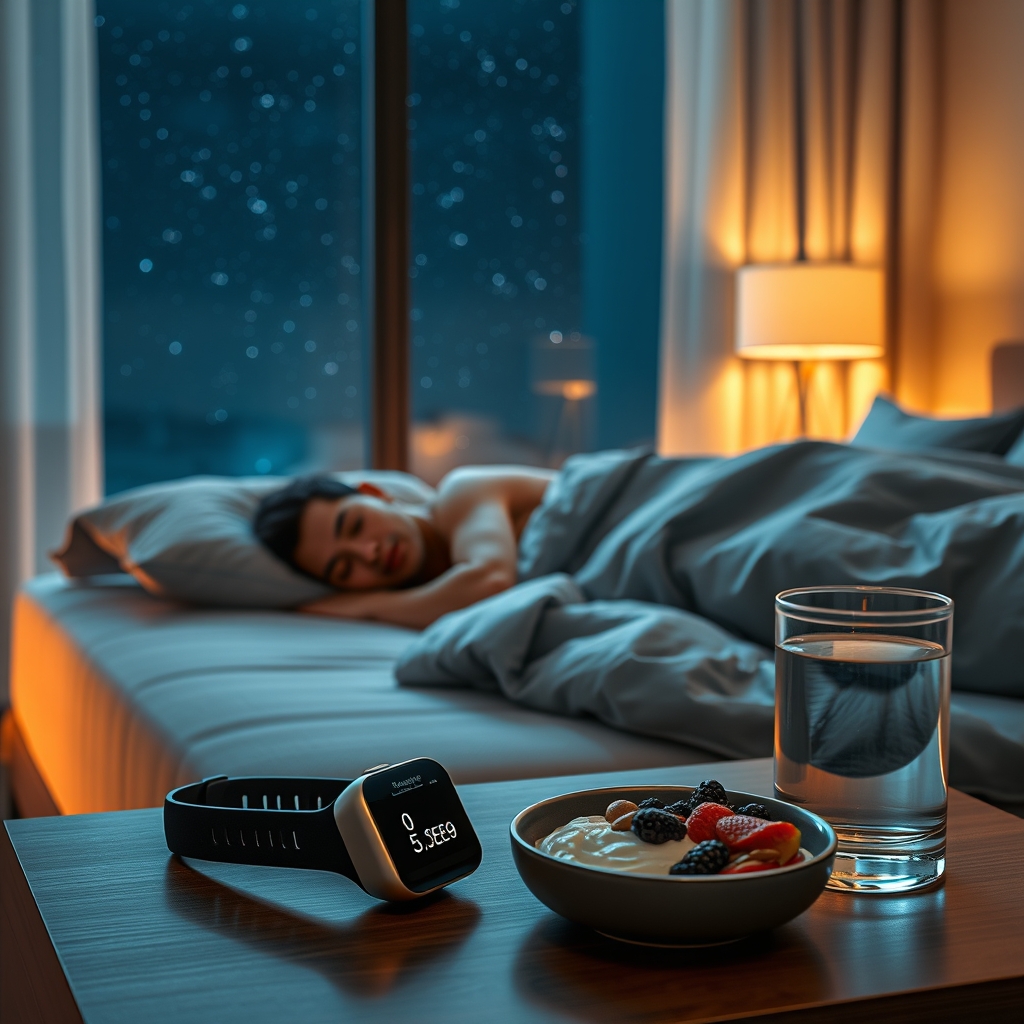
Wearable health technology has revolutionized our ability to monitor and improve sleep hygiene. Devices like continuous glucose monitors (CGMs), smartwatches, and sleep trackers provide real-time data on sleep stages, heart rate variability, and even nocturnal glucose fluctuations. This data empowers individuals to make informed decisions about their sleep habits, such as adjusting bedtime routines, optimizing light exposure, and identifying patterns that may be disrupting restorative sleep.
For example, CGMs can reveal how late-night snacks or alcohol consumption impact blood sugar levels during sleep, leading to fragmented rest. Similarly, wearable devices that track heart rate variability (HRV) can provide insights into the body’s stress response, helping users identify whether their sleep is truly restorative or merely a period of low activity. By leveraging this technology, individuals can tailor their sleep hygiene practices to their unique physiological needs, bridging the gap between generic advice and personalized optimization.
Functional Medicine: A Personalized Approach to Sleep Hygiene
Functional medicine goes beyond conventional sleep hygiene recommendations by addressing the root causes of sleep disturbances. Practitioners in this field often explore factors such as nutrient deficiencies, chronic inflammation, and hormonal imbalances that may be contributing to poor sleep quality. For instance, magnesium deficiency is a common yet overlooked cause of restless sleep, while elevated cortisol levels can lead to frequent awakenings. By conducting comprehensive lab tests and detailed patient histories, functional medicine practitioners can develop targeted interventions that restore balance to the body’s systems.
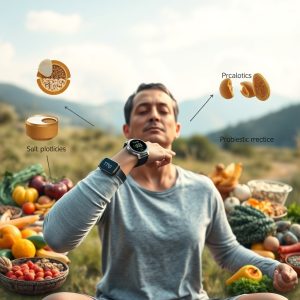
One of the most promising areas of functional medicine is its focus on the gut-brain axis. Probiotics, prebiotics, and dietary modifications can significantly improve sleep quality by enhancing microbiome diversity. Additionally, practices like intermittent fasting have been shown to regulate circadian rhythms, further supporting metabolic fitness and restorative sleep. When combined with wearable tech data, these personalized strategies create a powerful feedback loop that allows individuals to fine-tune their sleep hygiene for maximum benefit.
Practical Strategies for Optimizing Sleep and Metabolic Fitness
Improving sleep hygiene and metabolic fitness doesn’t require drastic changes; small, consistent adjustments can yield significant results. Here are some evidence-based strategies to consider:
- Prioritize Light Exposure: Natural light during the day and darkness at night help regulate the body’s circadian rhythm. Consider using blackout curtains and reducing blue light exposure from screens in the evening.
- Optimize Your Sleep Environment: Keep your bedroom cool, quiet, and free from distractions. Investing in a comfortable mattress and pillows can also make a noticeable difference in sleep quality.
- Leverage Wearable Tech: Use sleep trackers to monitor your sleep stages and identify patterns. Pair this data with CGM readings to understand how your diet and lifestyle choices impact your rest.
- Incorporate Somatic Practices: Techniques like deep breathing, progressive muscle relaxation, and gentle yoga can help reduce stress and prepare the body for restorative sleep.
- Adopt a Gut-Friendly Diet: Focus on whole foods rich in fiber, healthy fats, and fermented foods to support a diverse and balanced microbiome. Avoid late-night eating to prevent disruptions in glucose metabolism.
- Practice Intermittent Fasting: Aligning your eating window with your circadian rhythm can enhance metabolic efficiency and improve sleep quality. Aim to finish eating at least 2-3 hours before bedtime.
The Future of Sleep Hygiene and Metabolic Fitness
As wearable health technology continues to advance, the integration of sleep hygiene and metabolic fitness will become even more seamless. Future innovations may include AI-driven sleep coaches that provide real-time feedback, smart mattresses that adjust temperature and firmness based on sleep stages, and personalized nutrition plans that optimize both gut health and sleep quality. These tools will not only make it easier to achieve restorative sleep but also empower individuals to take a proactive role in their longevity.
The convergence of functional medicine and wearable tech is also paving the way for a more holistic understanding of health. By recognizing the interconnectedness of sleep, metabolism, and overall well-being, we can move beyond siloed approaches to health and embrace a more integrated model. This shift is particularly important in a world where chronic stress, poor sleep, and metabolic disorders are on the rise. The tools and knowledge to combat these issues are within our reach, and the time to act is now.
Restorative sleep is not a luxury; it is a biological necessity that underpins every aspect of our health. By harnessing the power of wearable technology and functional medicine, we can transform our sleep hygiene practices from mere habits into a strategic advantage for longevity. The journey to optimal health begins with a single night of deep, restorative sleep—and the choices we make today will shape our well-being for years to come.