The Promise of Gene Therapy: Revolutionizing Treatment for Neurodegenerative Diseases
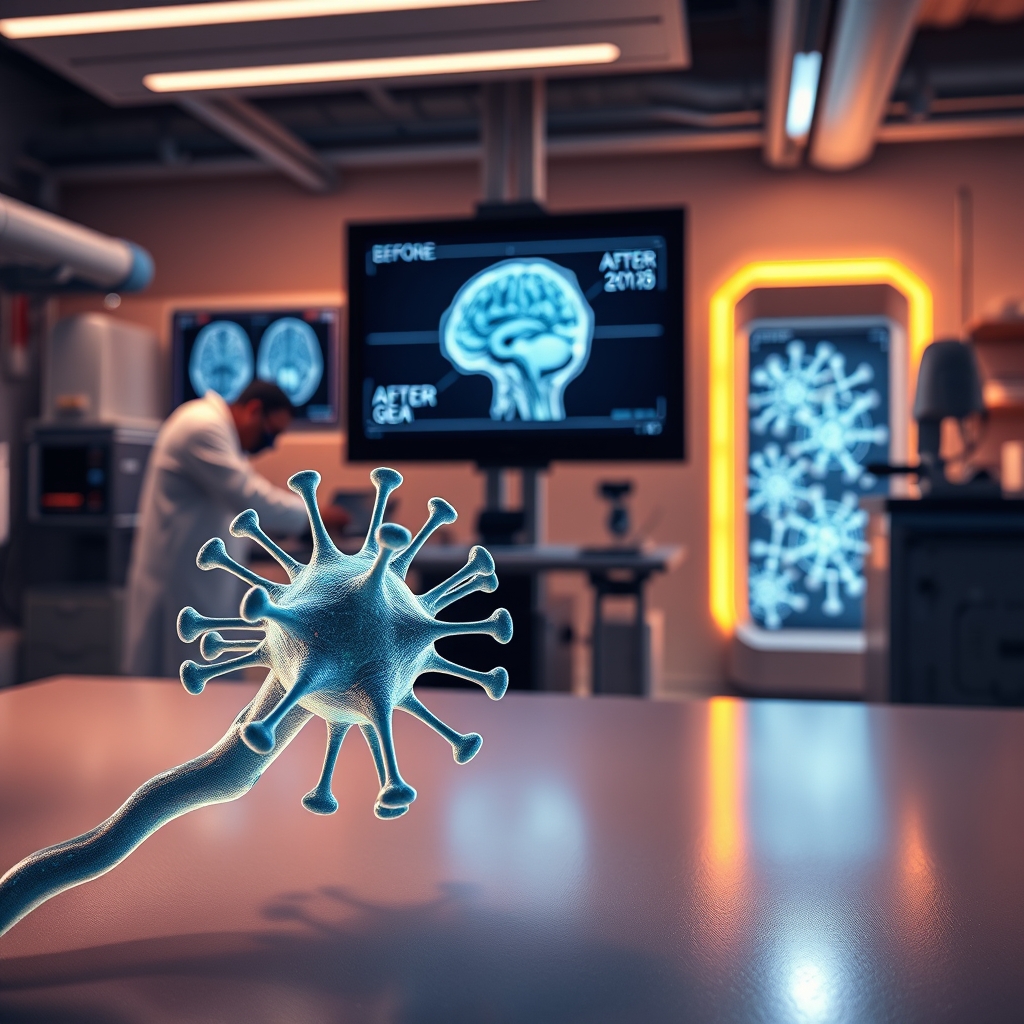
Neurodegenerative diseases, such as Alzheimer’s, Parkinson’s, and amyotrophic lateral sclerosis (ALS), have long been among the most challenging conditions to treat. These disorders, characterized by the progressive degeneration of the structure and function of the nervous system, not only rob individuals of their cognitive and motor abilities but also place an immense burden on families and healthcare systems. Traditional treatments have largely focused on managing symptoms rather than addressing the root causes, leaving patients with limited hope for meaningful recovery. However, the emergence of gene therapy is beginning to change this narrative, offering a beacon of hope for millions affected by these debilitating conditions.
The Science Behind Gene Therapy
Gene therapy is a cutting-edge medical approach that involves modifying or manipulating genes to treat or prevent disease. Unlike conventional drugs that merely alleviate symptoms, gene therapy aims to correct the underlying genetic defects that contribute to neurodegenerative diseases. This is achieved through the delivery of therapeutic genes into a patient’s cells, either to replace faulty genes, inactivate disease-causing genes, or introduce new genes that can help fight the disease.
One of the most promising techniques in gene therapy is the use of viral vectors, such as adeno-associated viruses (AAVs), to deliver genetic material into target cells. These vectors are engineered to be non-pathogenic, ensuring they do not cause disease while effectively transporting the therapeutic genes to their destination. Once inside the cells, the genes can produce proteins that either restore normal function or protect neurons from further damage.
Targeting the Root Causes of Neurodegeneration
Neurodegenerative diseases often stem from genetic mutations that lead to the accumulation of toxic proteins, mitochondrial dysfunction, or impaired cellular repair mechanisms. For example, in Alzheimer’s disease, the accumulation of amyloid-beta plaques and tau tangles disrupts neuronal communication, leading to cognitive decline. Similarly, in Parkinson’s disease, the loss of dopamine-producing neurons results in motor symptoms like tremors and rigidity.
Gene therapy offers a unique opportunity to intervene at the genetic level, potentially halting or even reversing these pathological processes. For instance, researchers are exploring the use of gene therapy to deliver neurotrophic factors—proteins that support the growth, survival, and differentiation of neurons—directly to the brain. In preclinical studies, these factors have shown promise in protecting neurons from degeneration and promoting the regeneration of damaged neural circuits.
Breakthroughs in Clinical Trials
The field of gene therapy for neurodegenerative diseases has seen remarkable progress in recent years, with several clinical trials yielding encouraging results. One notable example is the use of gene therapy to treat spinal muscular atrophy (SMA), a rare but devastating genetic disorder that leads to muscle weakness and respiratory failure. In 2019, the U.S. Food and Drug Administration (FDA) approved Zolgensma, a gene therapy that delivers a functional copy of the SMN1 gene to motor neurons, significantly improving survival and motor function in infants with SMA.
Similarly, gene therapy is being investigated for Parkinson’s disease, with early-phase clinical trials demonstrating its potential to restore dopamine production in the brain. In one study, patients received an infusion of AAV vectors carrying the gene for aromatic L-amino acid decarboxylase (AADC), an enzyme involved in dopamine synthesis. The results showed improved motor function and a reduction in symptoms, offering hope for a disease that has long been considered incurable.
Challenges and Ethical Considerations
Despite its immense potential, gene therapy is not without challenges. One of the primary hurdles is ensuring the safe and efficient delivery of therapeutic genes to the brain, which is protected by the blood-brain barrier—a selective membrane that prevents most substances from entering the central nervous system. Researchers are exploring innovative delivery methods, such as direct injections into the brain or the use of focused ultrasound to temporarily disrupt the blood-brain barrier, to overcome this obstacle.
Another challenge is the immune response to viral vectors, which can limit the effectiveness of gene therapy or cause adverse reactions. Scientists are working on developing next-generation vectors that are less immunogenic and more efficient at targeting specific cell types. Additionally, the long-term effects of gene therapy remain uncertain, necessitating rigorous monitoring and follow-up in clinical trials.
Ethical considerations also play a significant role in the development of gene therapy. Questions about the accessibility and affordability of these treatments, as well as the potential for unintended consequences, must be carefully addressed. As gene therapy moves closer to becoming a mainstream treatment option, it is crucial to ensure that it is developed and deployed in a manner that is equitable and beneficial to all patients.
The Future of Gene Therapy in Neurodegenerative Diseases
The rapid advancements in gene therapy are paving the way for a new era in the treatment of neurodegenerative diseases. As our understanding of the genetic and molecular mechanisms underlying these conditions deepens, so too does our ability to develop targeted and effective therapies. The integration of gene therapy with other emerging technologies, such as artificial intelligence diagnostics and personalized pharmacology, holds the promise of even more precise and individualized treatments.
For patients and families affected by neurodegenerative diseases, gene therapy represents more than just a scientific breakthrough—it is a source of hope. While there is still much work to be done, the progress made thus far underscores the transformative potential of this innovative approach. As researchers continue to push the boundaries of what is possible, the dream of curing neurodegenerative diseases may one day become a reality, offering a brighter future for millions around the world.
The journey toward effective treatments for neurodegenerative diseases has been long and fraught with challenges, but the advent of gene therapy marks a turning point. With each clinical trial and scientific discovery, we move closer to a world where these devastating conditions no longer dictate the course of human lives. The promise of gene therapy is not just about extending life, but about restoring dignity, independence, and quality of life to those who need it most.