
The Silent Revolution: How Cellular Therapeutics Are Redefining Regenerative Medicine and Anti-Aging
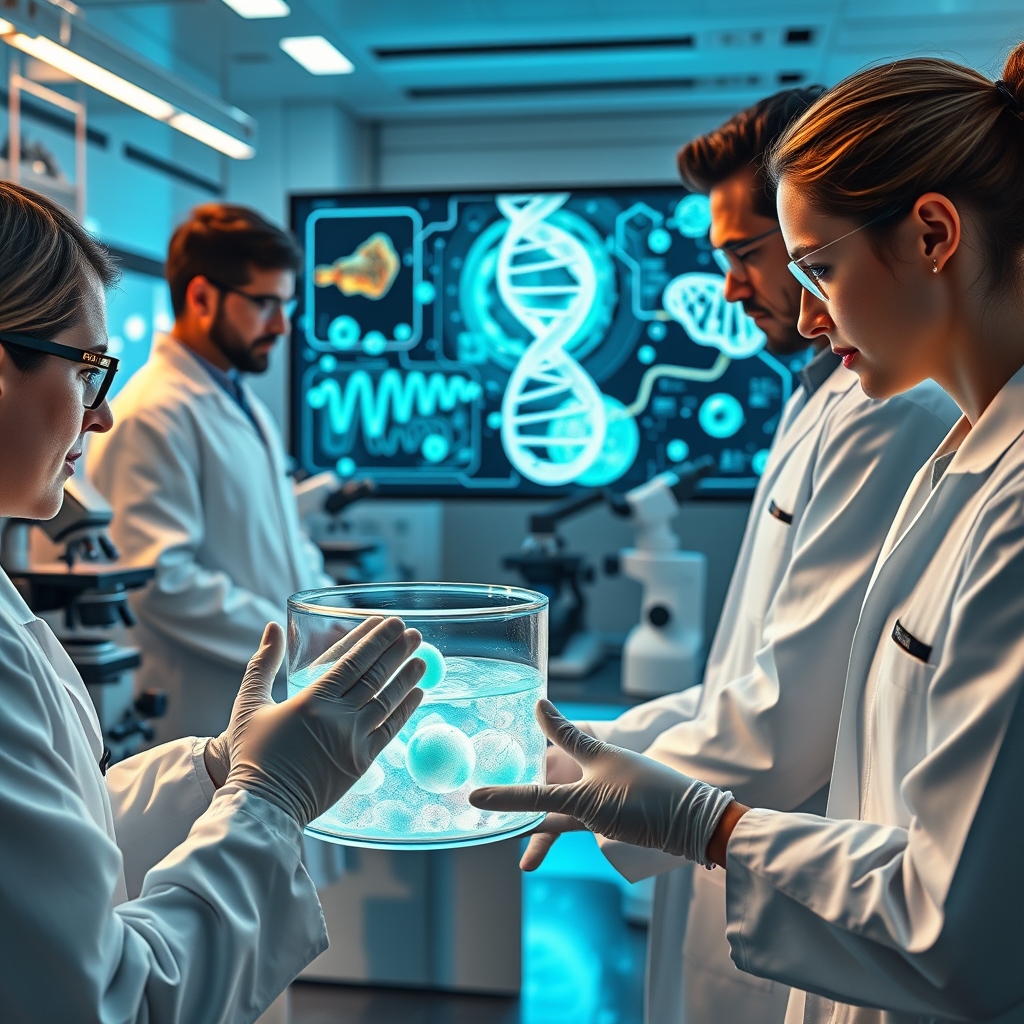
In the ever-evolving landscape of modern medicine, few fields hold as much promise—or as much mystery—as cellular therapeutics. Once confined to the realm of science fiction, the manipulation of cells to heal, regenerate, and even reverse the effects of aging is now a tangible reality. This silent revolution is not just changing how we treat disease; it is redefining what it means to age, to heal, and to thrive in the 21st century.
The Science Behind Cellular Therapeutics
At its core, cellular therapeutics involves the use of living cells to treat or prevent diseases. These cells can be derived from the patient’s own body (autologous) or from a donor (allogeneic), and they are often engineered or modified to enhance their therapeutic potential. Stem cells, for instance, are a cornerstone of this field due to their unique ability to differentiate into various cell types, making them ideal for repairing damaged tissues or organs.
One of the most groundbreaking applications of cellular therapeutics is in regenerative medicine. Conditions like spinal cord injuries, heart disease, and degenerative disorders such as Parkinson’s or Alzheimer’s have long been considered irreversible. However, recent advancements in stem cell research are challenging this notion. For example, induced pluripotent stem cells (iPSCs), which are adult cells reprogrammed to an embryonic-like state, are being used to generate healthy cells that can replace damaged ones in the brain, heart, or other organs. This approach not only offers hope for curing previously untreatable conditions but also opens the door to personalized treatments tailored to an individual’s genetic makeup.
The Role of Gene Therapy in Cellular Therapeutics
Gene therapy is another critical component of cellular therapeutics, enabling scientists to correct genetic defects at their source. By introducing, removing, or altering genetic material within a patient’s cells, gene therapy can potentially cure genetic disorders such as sickle cell anemia, cystic fibrosis, and muscular dystrophy. When combined with cellular therapeutics, gene therapy becomes even more powerful. For instance, CAR-T cell therapy, a type of immunotherapy, involves modifying a patient’s T cells to target and destroy cancer cells. This approach has shown remarkable success in treating certain types of leukemia and lymphoma, offering a lifeline to patients who had exhausted all other treatment options.
Anti-Aging: The Next Frontier
While cellular therapeutics is already transforming the treatment of diseases, its most tantalizing promise lies in the realm of anti-aging. Aging is a complex process driven by a combination of genetic, environmental, and lifestyle factors. Cellular damage, telomere shortening, and the accumulation of senescent cells—cells that have stopped dividing but refuse to die—are all hallmarks of aging. Cellular therapeutics offers a way to address these underlying causes, potentially slowing or even reversing the aging process.
One of the most exciting developments in this area is the use of senolytic drugs, which selectively eliminate senescent cells. Studies in mice have shown that clearing these cells can reverse age-related conditions such as arthritis, cardiovascular disease, and even cognitive decline. Human trials are now underway, and the results could be transformative. Additionally, stem cell therapies are being explored as a way to rejuvenate aging tissues. For example, mesenchymal stem cells (MSCs) have been shown to reduce inflammation, promote tissue repair, and improve overall vitality in older adults. These therapies could one day allow people to live not just longer, but healthier lives.
Challenges and Ethical Considerations
Despite its immense potential, cellular therapeutics is not without challenges. One of the biggest hurdles is ensuring the safety and efficacy of these treatments. The human body is a complex and finely tuned system, and introducing modified or foreign cells carries risks, including immune rejection, tumor formation, and unintended genetic changes. Rigorous clinical trials and regulatory oversight are essential to mitigate these risks and ensure that cellular therapies are both safe and effective.
Ethical considerations also play a significant role in the development of cellular therapeutics. The use of embryonic stem cells, for example, has long been a contentious issue due to the destruction of embryos involved in their extraction. While alternatives like iPSCs have alleviated some of these concerns, ethical debates continue to shape the direction of research. Additionally, the high cost of cellular therapies raises questions about accessibility and equity. As these treatments become more advanced, ensuring that they are available to all who need them—not just the wealthy—will be a critical challenge for the medical community.
The Future of Cellular Therapeutics
Looking ahead, the future of cellular therapeutics is bright. Advances in biotechnology, artificial intelligence, and personalized medicine are accelerating the development of new treatments. For instance, AI-driven algorithms are being used to predict how cells will behave in different environments, enabling researchers to design more effective therapies. Meanwhile, 3D bioprinting is making it possible to create complex tissues and even entire organs in the lab, reducing the need for donor organs and revolutionizing transplantation.
Another exciting avenue is the integration of cellular therapeutics with other cutting-edge fields, such as nanomedicine and microbiome therapeutics. Nanoparticles, for example, can be used to deliver therapeutic cells directly to diseased tissues, enhancing their effectiveness and reducing side effects. Similarly, manipulating the microbiome—the community of microorganisms living in and on the human body—could enhance the success of cellular therapies by creating a more favorable environment for cell survival and function.
As we stand on the brink of this new era in medicine, it is clear that cellular therapeutics is not just a passing trend but a fundamental shift in how we approach health and disease. The ability to harness the power of cells to heal, regenerate, and rejuvenate is unlocking possibilities that were once unimaginable. From curing genetic disorders to reversing the effects of aging, the potential of cellular therapeutics is limited only by our imagination and our willingness to push the boundaries of what is possible. The silent revolution is here, and it is transforming the very fabric of human health.