The Cortisol Code: How Wearable Tech, Somatic Movement, and Gut Health Are Decoding Stress Resilience for Longevity
Stress is an inevitable part of modern life, but its silent, corrosive effects on the body and mind are far from benign. Chronic stress doesn’t just leave you feeling frazzled—it disrupts sleep, impairs cognitive function, weakens immunity, and accelerates cellular aging. At the heart of this physiological chaos lies cortisol, the body’s primary stress hormone. While cortisol is essential for survival, its prolonged elevation can erode resilience, leaving the body in a state of metabolic and immune dysfunction. The good news? Science is uncovering powerful, integrative ways to regulate cortisol, and the tools to do so are more accessible than ever. From wearable health technology to somatic movement and gut microbiome optimization, a new paradigm of stress resilience is emerging—one that doesn’t just manage symptoms but rewires the body’s response to stress at its roots.
The Cortisol Conundrum: Why Stress Is More Than Just a Feeling
Cortisol is often vilified, but it’s not the enemy. Secreted by the adrenal glands in response to stress, cortisol plays a vital role in mobilizing energy, sharpening focus, and preparing the body for action. The problem arises when stress becomes chronic, and cortisol levels remain elevated for extended periods. Over time, this leads to a cascade of negative effects: insulin resistance, inflammation, muscle breakdown, and even hippocampal shrinkage—a key area of the brain involved in memory and emotional regulation. Studies have linked chronic cortisol elevation to an increased risk of metabolic syndrome, cardiovascular disease, and neurodegenerative conditions like Alzheimer’s. The question isn’t whether stress exists—it’s how we can mitigate its long-term damage.
Traditional approaches to stress management—think meditation, therapy, or pharmaceutical interventions—are valuable but often address only part of the equation. What if we could monitor cortisol in real time, understand its fluctuations, and intervene before it spirals out of control? This is where wearable health technology is revolutionizing the way we approach stress resilience.
Wearable Tech: The Real-Time Window Into Cortisol Dynamics
Until recently, measuring cortisol required invasive blood tests or cumbersome saliva samples, making it difficult to track its fluctuations in real time. Today, wearable devices like smartwatches, biosensors, and even advanced fitness trackers are beginning to offer indirect but highly actionable insights into stress levels. Devices such as the Oura Ring, Whoop Strap, and Apple Watch use heart rate variability (HRV), skin conductance, and sleep patterns to estimate stress and recovery states. While they don’t measure cortisol directly, these metrics correlate strongly with cortisol rhythms, providing a dynamic picture of how the body responds to stressors throughout the day.
For example, a sudden drop in HRV—a measure of the autonomic nervous system’s balance—can signal that cortisol levels are spiking in response to stress. Wearables can then prompt the user to engage in a breathing exercise, take a short walk, or practice mindfulness, effectively nipping stress in the bud before it becomes chronic. Some cutting-edge devices, like the Empatica E4, even measure electrodermal activity (EDA), which reflects sweat gland activity linked to sympathetic nervous system arousal—a direct proxy for stress. As these technologies evolve, they’re not just tracking stress; they’re enabling proactive, personalized interventions that help users build resilience over time.
Somatic Movement: Rewiring the Stress Response Through the Body
While wearables provide the data, somatic movement offers the antidote. Somatic practices—such as yoga, tai chi, qigong, and Feldenkrais—focus on the mind-body connection, using gentle, intentional movement to release tension, regulate the nervous system, and lower cortisol. Unlike high-intensity workouts, which can sometimes exacerbate stress, somatic exercises work by engaging the parasympathetic nervous system, the body’s “rest and digest” mode. Research has shown that practices like yoga nidra and slow, mindful movement can significantly reduce cortisol levels, improve HRV, and enhance emotional regulation.
The magic of somatic movement lies in its ability to address stress at a neurological level. When we experience stress, the body often holds tension in the form of clenched jaws, tight shoulders, or shallow breathing—patterns that can become chronic if left unaddressed. Somatic practices help “unlearn” these patterns by increasing interoception, or the ability to sense internal bodily states. Over time, this heightened awareness allows individuals to recognize and release stress before it becomes embedded in the body. For those looking to integrate somatic movement into their routine, even short daily practices—like a 10-minute yoga flow or a guided body scan—can make a profound difference in cortisol regulation.
The Gut-Cortisol Axis: How Microbiome Balance Shapes Stress Resilience
Emerging research is revealing a fascinating link between the gut microbiome and cortisol regulation. The gut-brain axis—a bidirectional communication network between the gastrointestinal tract and the central nervous system—plays a critical role in modulating stress responses. Certain strains of gut bacteria, such as Lactobacillus and Bifidobacterium, have been shown to lower cortisol levels and reduce anxiety-like behaviors in animal studies. Human trials are beginning to corroborate these findings, suggesting that a healthy gut microbiome can act as a buffer against stress.
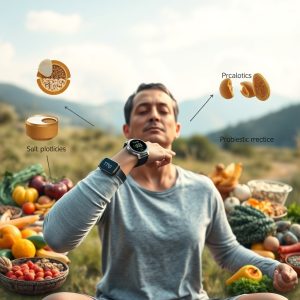
So, how can you cultivate a gut environment that supports cortisol balance? The answer lies in personalized nutrition. Diets rich in fiber, fermented foods (like kimchi, sauerkraut, and kefir), and prebiotic foods (such as garlic, onions, and asparagus) promote the growth of beneficial gut bacteria. Conversely, diets high in processed foods, sugar, and artificial additives can disrupt the microbiome, exacerbating stress and inflammation. Wearable tech can complement this approach by tracking biomarkers like glucose levels, which are closely tied to gut health. For example, continuous glucose monitors (CGMs) can reveal how stress-induced cortisol spikes affect blood sugar, providing actionable insights into dietary adjustments that support both metabolic and mental health.
Contrast Therapy: The Cold-Hot Hack for Cortisol Regulation
Another powerful tool in the stress resilience toolkit is contrast therapy, which alternates between exposure to cold and heat. Cold showers, ice baths, and sauna sessions have been used for centuries to promote recovery and vitality, but modern science is now validating their effects on cortisol. Cold exposure triggers a short-term spike in cortisol as the body adapts to the stressor, but over time, regular cold exposure can improve the body’s ability to regulate cortisol, making it more resilient to future stressors. Heat therapy, such as sauna use, has a similar effect, promoting relaxation and lowering cortisol levels post-session.
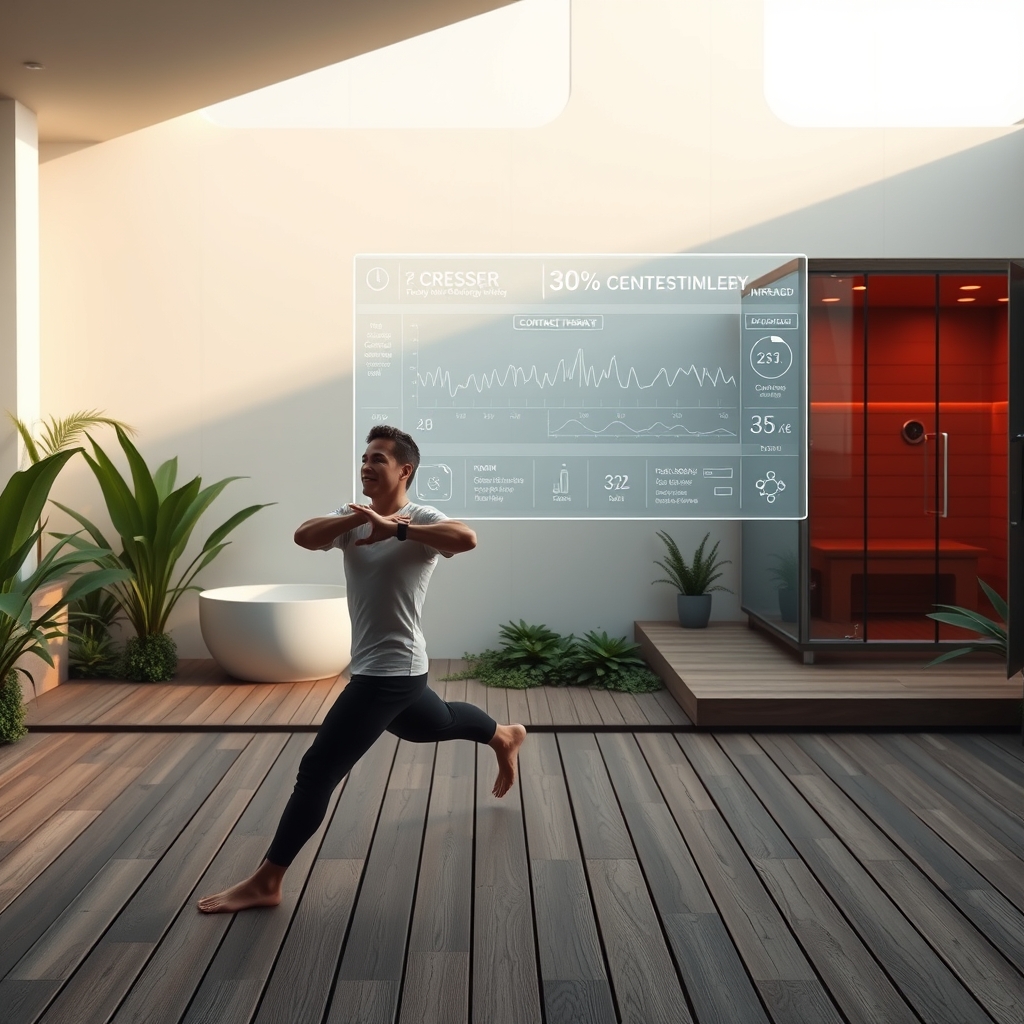
When combined, cold and heat therapies create a hormetic effect—a beneficial stress response that strengthens the body’s adaptive mechanisms. For example, a post-workout ice bath followed by a sauna session can enhance recovery, reduce inflammation, and stabilize cortisol rhythms. Wearable tech can help optimize these practices by tracking recovery metrics like HRV and skin temperature, ensuring that the body is responding positively to the stimuli. For those new to contrast therapy, starting with short cold showers (30-60 seconds) and gradually increasing duration can help build tolerance without overwhelming the system.
The journey to stress resilience is not about eliminating stress entirely—it’s about transforming how the body and mind respond to it. By leveraging wearable technology to monitor cortisol dynamics, engaging in somatic movement to rewire the nervous system, nurturing the gut microbiome through personalized nutrition, and incorporating contrast therapy to build adaptive strength, we can decode the cortisol code and unlock a new level of vitality. The tools are here, the science is clear, and the potential is limitless. The question is no longer whether we can regulate stress, but how we choose to rise to the challenge.