The Hidden Power of Somatic Exercise: How Mindful Movement Rewires Stress, Boosts Immunity, and Enhances Longevity
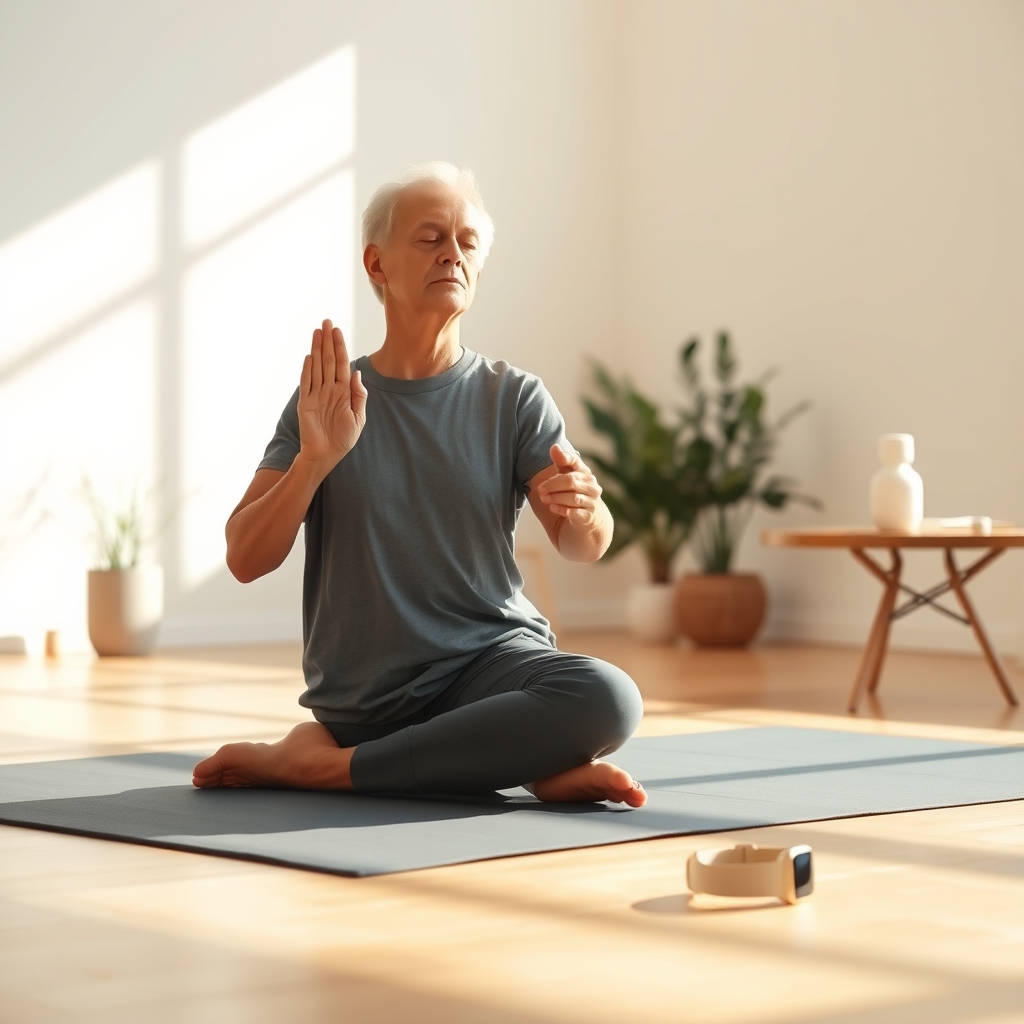
In a world where high-intensity workouts and productivity hacks dominate the wellness conversation, a quieter, more intuitive approach to movement is gaining traction—one that doesn’t rely on sweat-drenched gym sessions or rigid fitness regimens. Somatic exercise, a practice rooted in the mind-body connection, is emerging as a powerful tool for regulating cortisol, enhancing immune resilience, and even extending longevity. Unlike traditional exercise, which often prioritizes external performance, somatic practices focus on internal awareness, gentle movement, and the subtle art of listening to the body’s signals.
The Science Behind Somatic Movement
Somatic exercise draws from disciplines like yoga, tai chi, and Feldenkrais, but its core principle is simple: movement should be conscious, not mechanical. Research in neuroscience and psychophysiology suggests that somatic practices can recalibrate the nervous system, shifting it from a state of chronic stress (sympathetic dominance) to one of relaxation and recovery (parasympathetic activation). This shift is crucial for cortisol regulation—a hormone that, when chronically elevated, can erode immune function, accelerate aging, and impair cognitive health.
A 2022 study published in Frontiers in Psychology found that participants who engaged in somatic movement for just 10 minutes a day experienced significant reductions in perceived stress and improvements in heart rate variability (HRV), a key marker of autonomic nervous system balance. The study also noted enhanced immune resilience, with participants showing increased natural killer cell activity—a critical component of the body’s defense against infections and even cancer.
How Somatic Exercise Differs from Traditional Workouts
Most forms of exercise—whether running, weightlifting, or HIIT—are goal-oriented. They focus on burning calories, building muscle, or improving endurance. Somatic exercise, on the other hand, is process-oriented. It’s less about what the body can do and more about how it feels while doing it. This distinction is what makes it particularly effective for stress reduction and metabolic health.
For example, a somatic practice might involve slow, deliberate movements that encourage the release of tension in the jaw, shoulders, or hips—areas where stress often accumulates. These movements are often paired with breathwork, which further amplifies their calming effects. Unlike high-impact workouts that can spike cortisol, somatic exercise helps the body downregulate stress hormones, making it an ideal complement to other longevity-focused practices like intermittent fasting and continuous glucose monitoring.
The Gut-Brain-Somatic Connection
Emerging research on the gut-brain axis suggests that somatic exercise may also influence the microbiome—a community of trillions of bacteria in the gut that plays a pivotal role in mental health, immunity, and even longevity. Chronic stress disrupts the gut microbiome, leading to inflammation and a host of metabolic issues. Somatic practices, by promoting relaxation and reducing stress, may help restore microbial balance.
A 2023 study in Nature Microbiology found that individuals who practiced somatic movement for eight weeks showed increased microbial diversity, a hallmark of a healthy gut. The study also noted improvements in markers of metabolic fitness, such as insulin sensitivity and lipid profiles. This suggests that somatic exercise could be a missing link in personalized nutrition and preventive healthcare, offering a way to enhance the benefits of dietary interventions without drastic changes to one’s routine.
Wearable Tech and the Future of Somatic Practices
As wearable health technology becomes more sophisticated, it’s opening new doors for tracking the benefits of somatic exercise. Devices like Whoop, Oura Ring, and Apple Watch can monitor HRV, sleep quality, and recovery metrics, providing real-time feedback on how somatic practices are impacting the body. For instance, a user might notice that a 15-minute somatic session before bed leads to deeper sleep and lower resting heart rate—a sign of improved autonomic balance.
Digital therapeutics are also beginning to incorporate somatic principles. Apps like Somatic and Insight Timer offer guided practices that combine movement, breathwork, and mindfulness, making it easier than ever to integrate these techniques into daily life. As these tools evolve, they could play a key role in democratizing somatic exercise, making it accessible to those who might not have the time or resources for in-person classes.
Contrast Therapy and Somatic Recovery
For those looking to amplify the benefits of somatic exercise, contrast therapy—alternating between hot and cold exposures—can be a powerful ally. Cold plunges, saunas, and even simple hot-cold showers stimulate the vagus nerve, which plays a central role in the parasympathetic nervous system. When combined with somatic movement, contrast therapy can enhance recovery, reduce inflammation, and improve immune resilience.
A study in Medical Hypotheses found that individuals who paired somatic practices with contrast therapy experienced greater reductions in cortisol and inflammatory markers than those who practiced either modality alone. This synergy makes sense: somatic exercise prepares the body for relaxation, while contrast therapy provides a physiological reset, creating a feedback loop that reinforces stress resilience.
In a culture that often equates wellness with extreme effort, somatic exercise offers a refreshing alternative—one that honors the body’s innate wisdom rather than overriding it. By fostering a deeper connection to movement, breath, and internal signals, it doesn’t just improve physical health; it rewires the nervous system for resilience. Whether through gentle stretches, mindful walking, or guided digital therapeutics, the practice invites us to slow down, listen, and move in ways that nourish rather than deplete. And in doing so, it may just hold the key to a longer, healthier, and more balanced life.