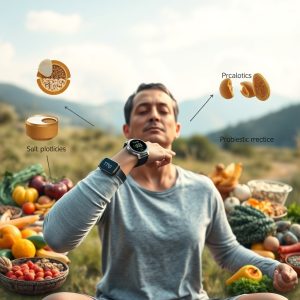
The Invisible Thread: How Cortisol Regulation, Gut Microbiome Balance, and Wearable Tech Are Weaving the Future of Immune Resilience and Longevity

In the quiet spaces between our breaths, beneath the hum of daily life, an invisible thread connects the rhythm of our stress responses to the microscopic universe within our gut. This thread is cortisol—a hormone as vital as it is volatile—and its dance with the gut microbiome shapes not just our mood or energy, but the very foundation of our immune resilience and longevity. What if the key to a longer, healthier life isn’t locked in a distant lab, but woven into the fabric of how we manage stress, nourish our bodies, and listen to the silent signals they send?
The Cortisol-Microbiome Axis: A Delicate Balance
Cortisol, often dubbed the “stress hormone,” is far more than a biochemical alarm bell. It’s a conductor, orchestrating everything from metabolism to inflammation, and its relationship with the gut microbiome is a two-way street. Chronic stress doesn’t just elevate cortisol levels—it disrupts the delicate balance of bacteria in the gut, thinning the mucosal lining and increasing intestinal permeability. This “leaky gut” phenomenon allows toxins and pathogens to slip into the bloodstream, triggering systemic inflammation and weakening immune defenses.
Conversely, a thriving gut microbiome helps regulate cortisol. Beneficial bacteria like Lactobacillus and Bifidobacterium produce short-chain fatty acids (SCFAs) such as butyrate, which have been shown to lower cortisol levels and reduce stress-related inflammation. The gut-brain axis, a bidirectional communication highway, ensures that this relationship is dynamic. When cortisol spikes, the microbiome suffers; when the microbiome flourishes, cortisol finds its equilibrium. The question is no longer whether these systems are connected, but how we can harness this connection to build resilience.
Wearable Tech: The Bridge Between Awareness and Action
Enter wearable health technology—a silent sentinel in the quest for cortisol regulation and gut health. Devices like continuous glucose monitors (CGMs), heart rate variability (HRV) trackers, and even advanced biosensors are no longer just tools for athletes or biohackers. They’ve become essential companions for anyone seeking to decode the body’s hidden signals. A sudden dip in HRV, for instance, can signal rising cortisol levels long before stress manifests as fatigue or irritability. Similarly, CGMs reveal how stress-induced blood sugar spikes disrupt metabolic fitness, creating a feedback loop that further strains the gut microbiome.
But data alone isn’t enough. The real power of wearable tech lies in its ability to translate raw numbers into actionable insights. Apps that sync with these devices can suggest micro-interventions—like a five-minute breathing exercise when cortisol spikes or a gut-friendly snack to stabilize blood sugar. Over time, these small adjustments accumulate, rewiring the body’s stress response and fortifying the gut-immune axis. The future of personalized health isn’t just about tracking; it’s about training the body to thrive in real time.
The Role of Functional Medicine: A Root-Cause Approach
While wearable tech provides the “what,” functional medicine offers the “why.” This systems-based approach to healthcare digs deeper than symptoms, uncovering the root causes of cortisol dysregulation and gut imbalances. Instead of prescribing a one-size-fits-all solution, functional medicine practitioners use advanced testing—like stool analyses, cortisol saliva tests, and metabolic panels—to map an individual’s unique biochemical landscape. Are cortisol levels chronically elevated due to poor sleep hygiene? Is gut dysbiosis fueled by a diet high in processed foods? The answers lie in the data, and the solutions are as varied as the people seeking them.
For example, a patient struggling with adrenal fatigue might be guided through a protocol that includes adaptogenic herbs like ashwagandha or rhodiola to modulate cortisol, alongside probiotics and prebiotics to restore gut harmony. Lifestyle adjustments—such as somatic exercises to release stored tension or contrast therapy (alternating hot and cold exposure) to reduce inflammation—are often woven into the plan. The goal isn’t just to treat the symptom but to restore the body’s innate capacity for balance.
Somatic Practices and the Art of Active Recovery
Stress isn’t just a mental experience; it’s a physical one. The body holds tension in ways we often don’t notice—clenched jaws, tight shoulders, shallow breaths—until it manifests as pain or exhaustion. Somatic exercises, which focus on the mind-body connection, offer a way to release this tension and recalibrate the nervous system. Practices like yoga, tai chi, or even simple body scans can lower cortisol levels by activating the parasympathetic nervous system, the body’s “rest and digest” mode.
Active recovery takes this a step further. Unlike passive rest, which might involve scrolling through a phone or binge-watching a show, active recovery engages the body in gentle, restorative movement. Think of a leisurely walk in nature, a session of foam rolling, or a float tank session. These activities don’t just reduce stress; they enhance immune resilience by improving circulation, reducing inflammation, and promoting cellular regeneration. When combined with wearable tech, somatic practices become even more powerful. A HRV tracker might reveal that a 10-minute yoga session is more effective at lowering cortisol than an hour of high-intensity exercise, allowing individuals to tailor their recovery to their body’s needs.
Personalized Nutrition: Feeding the Gut, Calming the Mind
The food we eat doesn’t just fuel our bodies; it feeds the trillions of microbes that call our gut home. Personalized nutrition takes this a step beyond generic dietary advice, using data from gut microbiome tests, CGMs, and even genetic profiles to craft a diet that supports both metabolic fitness and cortisol regulation. For instance, someone with high cortisol might benefit from a diet rich in omega-3 fatty acids (found in fatty fish and flaxseeds), which have been shown to reduce inflammation and support brain health. Meanwhile, fermented foods like kimchi, kefir, and sauerkraut can bolster gut diversity, enhancing the microbiome’s ability to modulate stress responses.
But personalized nutrition isn’t just about what to eat—it’s about when to eat. Intermittent fasting, for example, can be a powerful tool for cortisol regulation, but its effects vary depending on an individual’s metabolic flexibility. A CGM can reveal whether a 16-hour fast stabilizes blood sugar or sends cortisol soaring, allowing for real-time adjustments. The result is a diet that doesn’t just nourish the body but harmonizes with its rhythms, creating a feedback loop of resilience.
The Future of Immune Resilience: A Holistic Tapestry
The path to immune resilience and longevity isn’t paved with a single breakthrough or a magic bullet. It’s a tapestry woven from threads of cortisol regulation, gut health, wearable insights, and mindful practices. Each element—whether it’s the data from a biosensor, the calm induced by a somatic exercise, or the nourishment of a gut-friendly meal—plays a role in restoring balance. The beauty of this approach lies in its adaptability. What works for one person might not work for another, and that’s the point. The future of health isn’t about following a rigid script; it’s about listening to the body’s whispers and responding with precision.
As we stand at the intersection of ancient wisdom and cutting-edge technology, one thing is clear: the invisible thread connecting our stress, gut, and immune system is no longer invisible. It’s a pathway, illuminated by data and guided by intention, leading us toward a future where health isn’t just the absence of disease, but the presence of vitality. The tools are here, the science is evolving, and the choice to weave them into our lives is ours to make.