
The Evolution of Smart Drug Delivery Systems: Merging Nanotechnology with Personalized Pharmacology
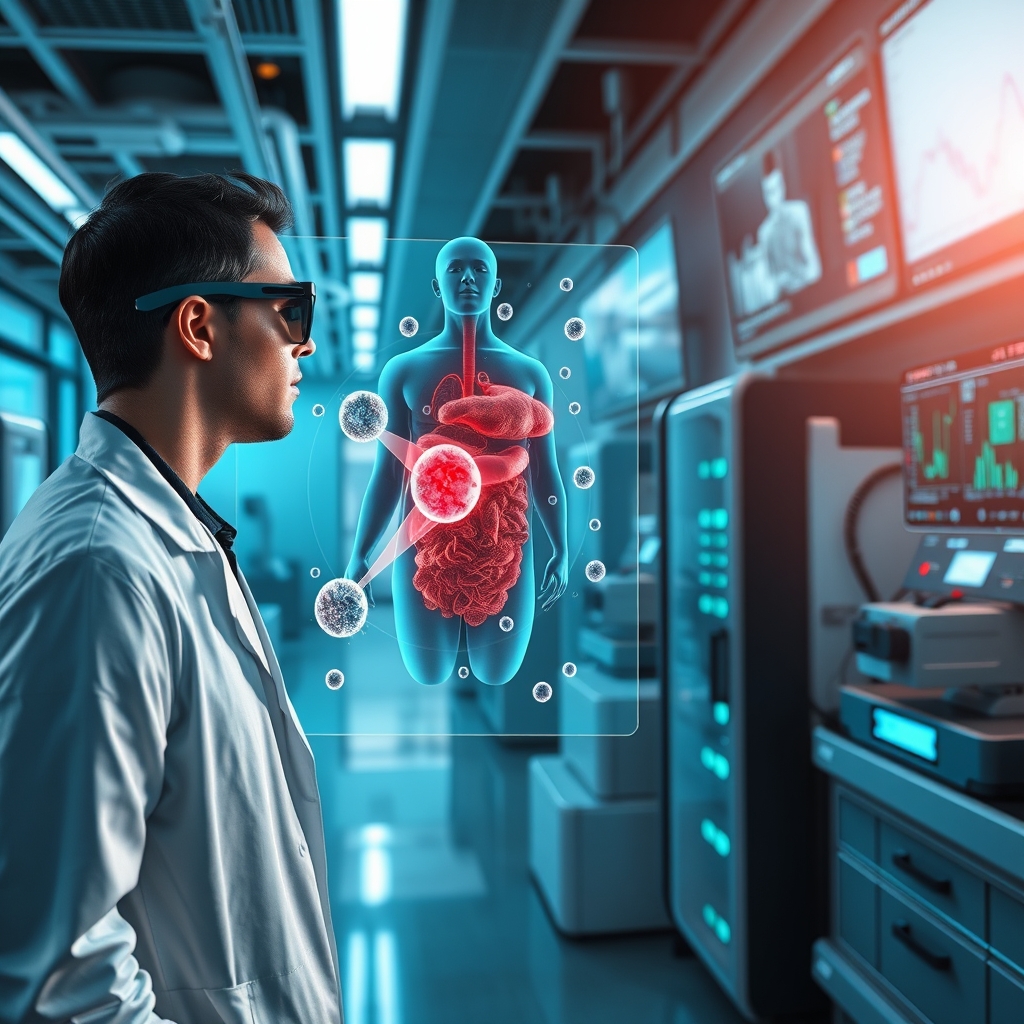
In the ever-evolving landscape of modern medicine, few advancements hold as much transformative potential as smart drug delivery systems. These innovations are not merely incremental improvements but represent a paradigm shift in how therapeutic agents are administered, monitored, and optimized for individual patients. By integrating nanotechnology, artificial intelligence, and personalized pharmacology, smart drug delivery systems are redefining the boundaries of precision medicine, offering unprecedented control over treatment efficacy and patient outcomes.
The Foundation of Smart Drug Delivery
Traditional drug delivery methods, such as oral tablets or intravenous injections, have long been the cornerstone of medical treatment. However, these approaches often come with significant limitations, including systemic side effects, inconsistent drug concentrations in the bloodstream, and the inability to target specific tissues or cells. Smart drug delivery systems address these challenges by leveraging nanoscale engineering to create carriers that can navigate the body with precision, releasing therapeutic agents only where and when they are needed.
At the heart of this revolution are nanoparticles—tiny structures typically ranging from 1 to 100 nanometers in size. These particles can be engineered from a variety of materials, including lipids, polymers, and metals, each offering unique properties that influence their behavior in the body. For instance, lipid-based nanoparticles, such as those used in mRNA COVID-19 vaccines, excel at protecting delicate therapeutic molecules from degradation while facilitating their delivery into cells. Polymeric nanoparticles, on the other hand, can be designed to release drugs in response to specific environmental triggers, such as changes in pH or temperature, ensuring that the medication is administered only under the right conditions.
The Role of Artificial Intelligence in Optimization
The complexity of smart drug delivery systems demands sophisticated tools for design and optimization, and this is where artificial intelligence (AI) enters the picture. AI algorithms are increasingly being used to model the behavior of nanoparticles within the body, predicting how they will interact with biological barriers, target tissues, and immune responses. By analyzing vast datasets from preclinical and clinical studies, AI can identify patterns and correlations that human researchers might overlook, accelerating the development of more effective and safer drug delivery platforms.
One of the most promising applications of AI in this field is the creation of digital twins—virtual replicas of a patient’s physiology that can simulate how a drug delivery system will perform in real time. These models allow researchers to test countless variables, such as nanoparticle size, surface chemistry, and dosing schedules, without the need for extensive animal or human trials. The result is a more efficient and cost-effective development process, with the potential to bring life-saving therapies to market faster than ever before.
Personalized Pharmacology: Tailoring Treatment to the Individual
The true power of smart drug delivery systems lies in their ability to adapt to the unique needs of each patient. Personalized pharmacology, a cornerstone of precision medicine, seeks to move beyond the one-size-fits-all approach of traditional drug development by accounting for individual variations in genetics, metabolism, and disease progression. Smart drug delivery systems are perfectly suited to this paradigm, as they can be programmed to respond to biomarkers or other biological signals that indicate a patient’s specific condition.
For example, in the treatment of cancer, smart nanoparticles can be designed to release chemotherapy agents only when they encounter tumor cells, sparing healthy tissue from damage. This targeted approach not only improves the efficacy of the treatment but also reduces the severe side effects that often accompany traditional chemotherapy. Similarly, in the management of chronic diseases like diabetes, smart insulin delivery systems can monitor blood glucose levels in real time and adjust dosing accordingly, providing patients with greater control over their condition and improving their quality of life.
Overcoming Biological Barriers
One of the most significant challenges in drug delivery is overcoming the body’s natural defenses, which are designed to prevent foreign substances from reaching sensitive areas. The blood-brain barrier, for instance, is a highly selective membrane that protects the brain from toxins but also blocks the delivery of many therapeutic agents. Smart drug delivery systems are being developed to bypass these barriers using innovative strategies, such as receptor-mediated transport or temporary disruption of the barrier using focused ultrasound.
In the case of neurodegenerative diseases like Alzheimer’s or Parkinson’s, the ability to deliver drugs directly to the brain could revolutionize treatment. Researchers are exploring the use of nanoparticles coated with ligands that bind to specific receptors on the blood-brain barrier, allowing the particles to cross into the brain and release their payload. This approach not only enhances the efficacy of existing drugs but also opens the door to new therapies that were previously deemed unviable due to delivery challenges.
The Future of Decentralized Clinical Trials
The integration of smart drug delivery systems with decentralized clinical trials is another exciting frontier in modern medicine. Decentralized trials leverage digital technologies to conduct research outside of traditional clinical settings, making it easier for patients to participate regardless of their location. Smart drug delivery systems fit seamlessly into this model, as they can be equipped with sensors or other monitoring devices that track a patient’s response to treatment in real time, transmitting data directly to researchers.
This approach not only accelerates the pace of clinical research but also enhances the quality of the data collected. By continuously monitoring patients, researchers can gain a more comprehensive understanding of how a drug delivery system performs in real-world conditions, leading to more accurate and reliable results. Moreover, the use of AI to analyze this data can uncover insights that might not be apparent through traditional trial methods, further refining the development process.
As smart drug delivery systems continue to evolve, they are poised to become an integral part of the healthcare ecosystem, bridging the gap between cutting-edge science and patient-centered care. The fusion of nanotechnology, AI, and personalized pharmacology is not just a technological achievement but a testament to the power of innovation in addressing some of the most pressing challenges in medicine. With each breakthrough, we move closer to a future where treatments are not only more effective but also more humane, tailored to the unique needs of each individual and delivered with precision and compassion.