The Future of Active Recovery: How Wearable Tech, Contrast Therapy, and Cellular Regeneration Are Redefining Post-Exercise Healing
In the relentless pursuit of peak performance, athletes and fitness enthusiasts often focus on the intensity of their workouts while overlooking the equally critical phase of recovery. Yet, the science of active recovery is undergoing a quiet revolution, driven by advances in wearable health technology, innovative therapies, and a deeper understanding of cellular regeneration. This evolution is not just about bouncing back faster—it’s about redefining what it means to heal, adapt, and thrive in the long term.
The Wearable Revolution in Recovery
Wearable health technology has transcended its role as a mere fitness tracker, becoming a sophisticated tool for monitoring and optimizing recovery. Devices like WHOOP, Oura Ring, and Apple Watch now provide real-time insights into heart rate variability (HRV), sleep quality, and recovery scores, allowing users to tailor their post-exercise routines with precision. These metrics offer a window into the body’s autonomic nervous system, revealing whether it’s in a state of stress or readiness for the next challenge.
For instance, HRV—a measure of the variation in time between heartbeats—has emerged as a key indicator of recovery. A low HRV may signal that the body is still under stress, prompting users to prioritize rest or gentle movement over another high-intensity session. By leveraging these insights, athletes can avoid overtraining, reduce injury risk, and enhance performance over time. The data doesn’t just inform recovery; it transforms it into a science.
The Power of Contrast Therapy
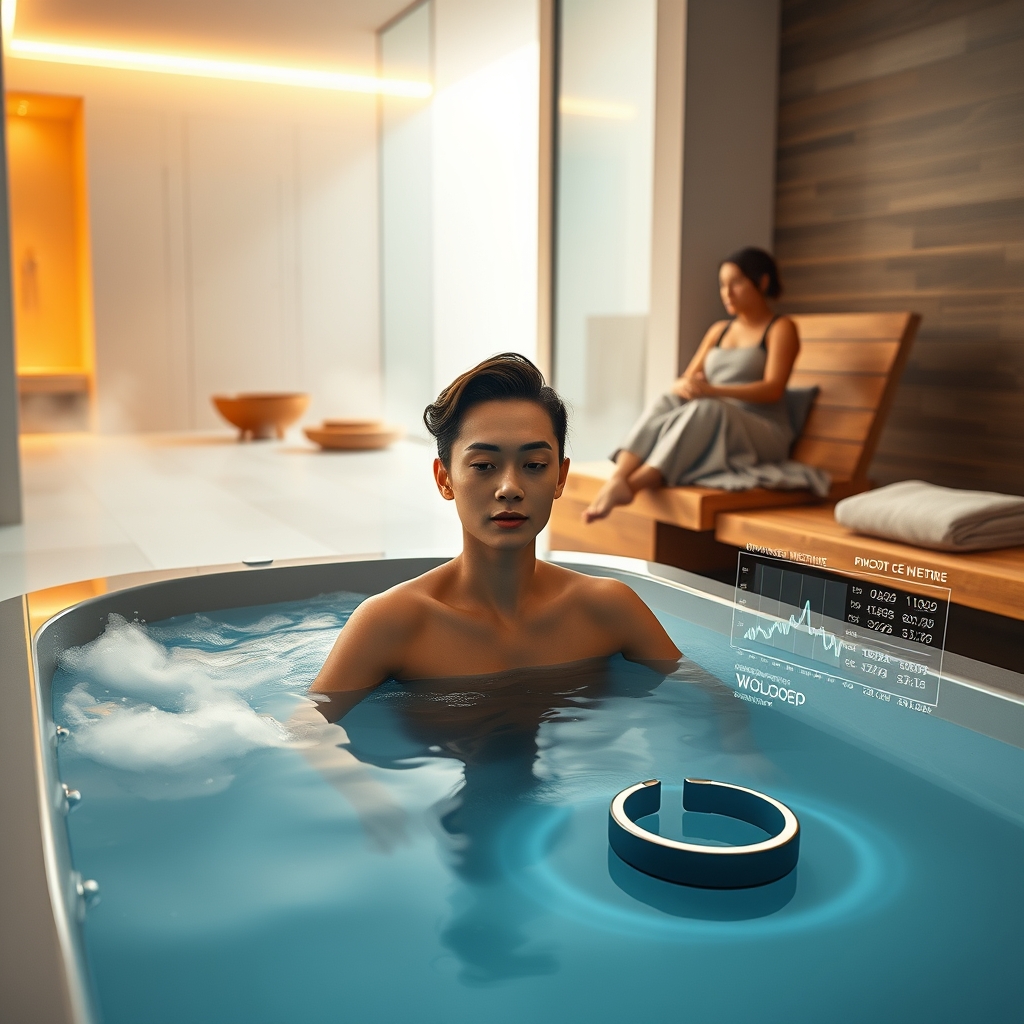
Contrast therapy, the practice of alternating between hot and cold exposures, has long been a staple in athletic recovery. However, recent research is shedding new light on its mechanisms and benefits, particularly in the context of cellular regeneration. Cold immersion, for example, reduces inflammation and muscle soreness by constricting blood vessels and slowing metabolic activity. When followed by heat exposure, the sudden dilation of blood vessels enhances circulation, flushing out metabolic waste and delivering oxygen-rich blood to tired muscles.
This thermal contrast doesn’t just accelerate physical recovery—it also plays a role in mental resilience. The controlled stress of cold exposure triggers the release of norepinephrine, a neurotransmitter that sharpens focus and elevates mood. Meanwhile, heat exposure promotes relaxation and reduces cortisol levels, creating a balanced state of recovery. When combined with wearable tech, contrast therapy becomes a targeted tool, allowing users to fine-tune their sessions based on real-time physiological feedback.
Cellular Regeneration: The Next Frontier
At the heart of recovery lies cellular regeneration—the body’s ability to repair and renew itself at the most fundamental level. Emerging research in longevity medicine is uncovering how lifestyle interventions, such as intermittent fasting and personalized nutrition, can enhance this process. For example, fasting triggers autophagy, a cellular cleanup mechanism that removes damaged proteins and organelles, paving the way for healthier cells. When paired with post-exercise nutrition rich in antioxidants and anti-inflammatory compounds, this process is further optimized.
Wearable tech is also playing a role in this cellular renaissance. Continuous glucose monitors (CGMs), for instance, provide insights into how dietary choices impact metabolic recovery. By tracking glucose fluctuations, users can identify foods that promote stable energy levels and reduce inflammation, supporting cellular repair. This personalized approach ensures that recovery is not just about rest, but about nourishing the body in a way that aligns with its unique needs.
The Role of Somatic Movement in Recovery
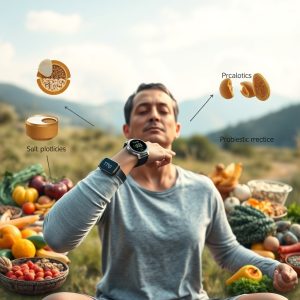
While technology and thermal therapies dominate the conversation around recovery, somatic movement offers a complementary approach rooted in mind-body connection. Practices like yoga, tai chi, and breathwork emphasize slow, deliberate movements that release tension, improve mobility, and regulate the nervous system. Unlike traditional stretching, somatic exercises focus on internal awareness, helping individuals identify and release chronic patterns of stress held in the body.
For athletes, somatic movement can be a game-changer in preventing injury and enhancing recovery. By improving proprioception—the body’s ability to sense movement and position—these practices reduce the risk of compensatory movements that lead to strain. Additionally, the emphasis on breathwork helps regulate cortisol levels, creating a state of active recovery that is both physical and psychological. When integrated with wearable tech, somatic movement becomes a data-informed practice, allowing users to track their progress and refine their approach over time.
Personalized Recovery: The Future Is Here
The convergence of wearable health technology, contrast therapy, cellular regeneration, and somatic movement is ushering in a new era of personalized recovery. No longer a one-size-fits-all approach, recovery is becoming a dynamic, adaptive process tailored to the individual’s physiology, goals, and lifestyle. Whether it’s adjusting cold exposure based on HRV data or fine-tuning nutrition with CGM insights, the tools to optimize recovery are more accessible than ever.
Yet, the true power of this revolution lies not in the technology itself, but in how it empowers individuals to listen to their bodies. Recovery is no longer a passive phase—it’s an active, intentional practice that bridges the gap between effort and adaptation. As we continue to unravel the complexities of human physiology, one thing is clear: the future of recovery is not just about healing faster, but about healing smarter, with resilience and longevity as the ultimate goals. The journey to peak performance begins not with the next workout, but with the next breath, the next meal, and the next moment of mindful rest.