The Synergy of Technology and Touch: Crafting Holistic Treatment Integration for Modern Healthcare
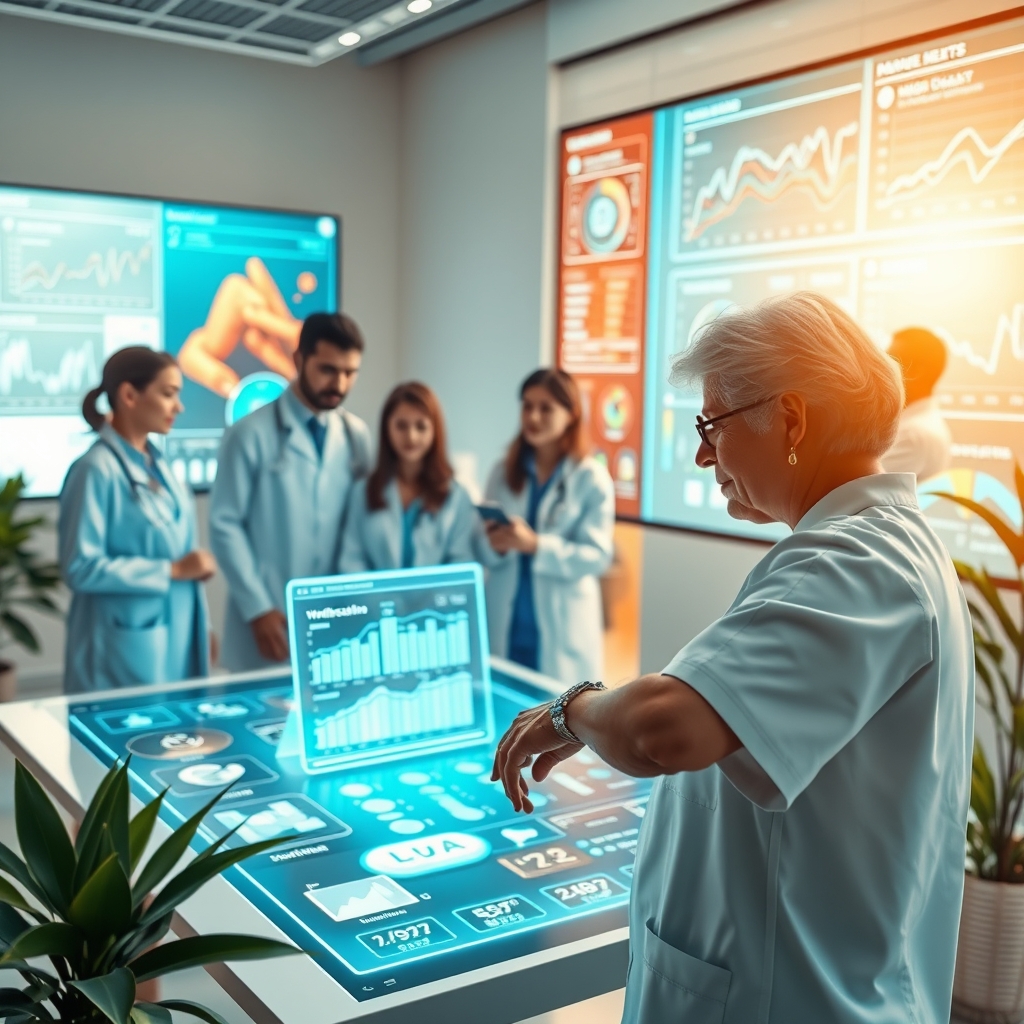
In an era where healthcare is rapidly evolving, the fusion of technology and human-centric care is redefining how patients experience treatment. The shift from traditional, one-dimensional medical approaches to holistic treatment integration is not just a trend—it’s a necessity. By weaving together personalized patient care, evidence-based treatment pathways, and digital health monitoring, healthcare providers are creating a seamless ecosystem that prioritizes the individual while leveraging the power of data.
The Foundation of Holistic Treatment Integration
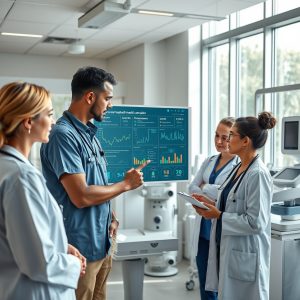
Holistic treatment integration is more than a buzzword; it’s a philosophy that recognizes the interconnectedness of physical, emotional, and mental well-being. At its core, this approach seeks to break down the silos that have long existed in healthcare, where specialists often work in isolation, leading to fragmented care. Instead, integrated therapeutic approaches bring together multidisciplinary teams—doctors, therapists, nutritionists, and even social workers—to collaborate on patient-centric wellness plans. This ensures that every aspect of a patient’s health is considered, from their medical history to their lifestyle and personal goals.
For example, a patient recovering from a cardiac event might benefit from a plan that includes not only medication and physical therapy but also dietary guidance, stress management techniques, and mental health support. By addressing these elements collectively, healthcare providers can create a more comprehensive and effective recovery strategy. This is where collaborative care models shine, as they facilitate communication and coordination among all parties involved in a patient’s care journey.
The Role of Technology in Enhancing Human-Centric Care
While the human touch remains irreplaceable in healthcare, technology is playing an increasingly vital role in enhancing human-centric healthcare delivery. Digital health monitoring tools, such as wearable devices and mobile health apps, allow patients and providers to track vital signs, medication adherence, and even emotional well-being in real time. This data is invaluable for making data-driven clinical decisions, as it provides a continuous stream of information that can be used to adjust treatment plans dynamically.
Consider the impact of real-time health analytics on chronic disease management. Patients with conditions like diabetes or hypertension can now monitor their glucose levels or blood pressure at home, sharing this data with their healthcare team instantly. This not only empowers patients to take an active role in their health but also enables providers to make timely interventions, reducing the risk of complications. The result is a more responsive and adaptive healthcare system that prioritizes outcome-focused clinical care.
Seamless Care Coordination: Bridging the Gaps
One of the biggest challenges in modern healthcare is ensuring seamless care coordination across different providers and settings. Patients often find themselves navigating a maze of appointments, referrals, and follow-ups, which can lead to frustration and gaps in care. Holistic treatment integration addresses this issue by creating a unified framework where all providers have access to the same information, ensuring that every decision is informed by the full picture of the patient’s health.
Electronic health records (EHRs) are a key component of this framework, but their true potential is unlocked when combined with technology-assisted therapy and preventive treatment protocols. For instance, a patient’s EHR can be integrated with a telehealth platform, allowing for virtual consultations that save time and improve accessibility. Additionally, predictive analytics can identify patients at risk of developing complications, enabling providers to intervene proactively with preventive treatment protocols. This not only improves health outcomes but also reduces healthcare costs by preventing hospital readmissions and emergency room visits.
Adaptive Recovery Strategies: Personalizing the Journey
No two patients are alike, and neither are their recovery journeys. Adaptive recovery strategies recognize this diversity by tailoring treatment plans to the unique needs of each individual. This approach is particularly effective in fields like rehabilitation, where progress can vary widely from one patient to another. By using real-time health analytics and responsive treatment adjustment, providers can modify therapies in real time, ensuring that patients receive the right level of care at every stage of their recovery.
For example, a stroke survivor might begin their rehabilitation with intensive physical therapy, but as they regain mobility, their plan could shift to include cognitive exercises or speech therapy. This flexibility is a hallmark of bespoke recovery journeys, where the focus is on achieving the best possible outcome for the patient, rather than adhering to a rigid, one-size-fits-all protocol. The result is a more engaging and effective recovery process that keeps patients motivated and invested in their health.
Optimizing the Patient Experience
At the heart of holistic treatment integration is the goal of patient experience optimization. This goes beyond simply providing high-quality medical care; it’s about creating an environment where patients feel heard, respected, and empowered. Value-based medical services are a key part of this equation, as they shift the focus from the volume of care provided to the quality of outcomes achieved. When providers are incentivized to deliver the best possible results, patients benefit from a more personalized and attentive approach.
Technology also plays a role in enhancing the patient experience. For instance, patient portals allow individuals to access their health records, schedule appointments, and communicate with their providers from the comfort of their homes. This level of convenience and transparency fosters trust and engagement, which are critical components of human-centric healthcare delivery. Additionally, comprehensive wellness management programs that include education, support groups, and lifestyle coaching can help patients feel more connected to their care team and more confident in managing their health.
As healthcare continues to evolve, the integration of technology and human-centric care will remain at the forefront of innovation. The synergy between these two elements is not just transforming how care is delivered but also redefining what it means to be healthy. By embracing holistic treatment integration, providers can create a healthcare system that is not only more effective but also more compassionate, ensuring that every patient receives the personalized, outcome-focused care they deserve. The future of healthcare is not about choosing between technology and touch—it’s about finding the perfect balance between the two, where data-driven insights and human connection work hand in hand to create a healthier world for all.