The Art of Healing: How Collaborative Care Models and Real-Time Analytics Are Crafting Patient-Centric Wellness Plans
In an era where healthcare is rapidly evolving, the shift toward patient-centric wellness plans is not just a trend—it’s a necessity. The days of one-dimensional treatment approaches are fading, replaced by dynamic, integrated therapeutic approaches that prioritize the individual’s unique needs, preferences, and lifestyle. At the heart of this transformation lies the fusion of collaborative care models and real-time health analytics, creating a synergy that redefines what it means to heal.
The Rise of Collaborative Care Models
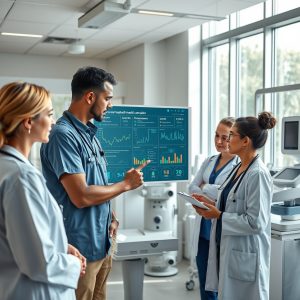
Traditional healthcare often operates in silos, with specialists focusing narrowly on their domain, sometimes at the expense of the bigger picture. Collaborative care models dismantle these barriers by fostering interdisciplinary teamwork. Imagine a scenario where your primary care physician, nutritionist, physical therapist, and mental health counselor are all in sync, communicating seamlessly to tailor a holistic treatment integration plan just for you. This isn’t a utopian vision—it’s the reality of modern healthcare systems that embrace seamless care coordination.
These models thrive on open communication, shared decision-making, and a unified goal: improving patient outcomes. For instance, a patient recovering from surgery might benefit from a bespoke recovery journey that combines physical therapy with nutritional guidance and psychological support. By breaking down the walls between disciplines, healthcare providers can address the root causes of illness rather than just treating symptoms, leading to more sustainable and meaningful recovery.
The Power of Real-Time Health Analytics
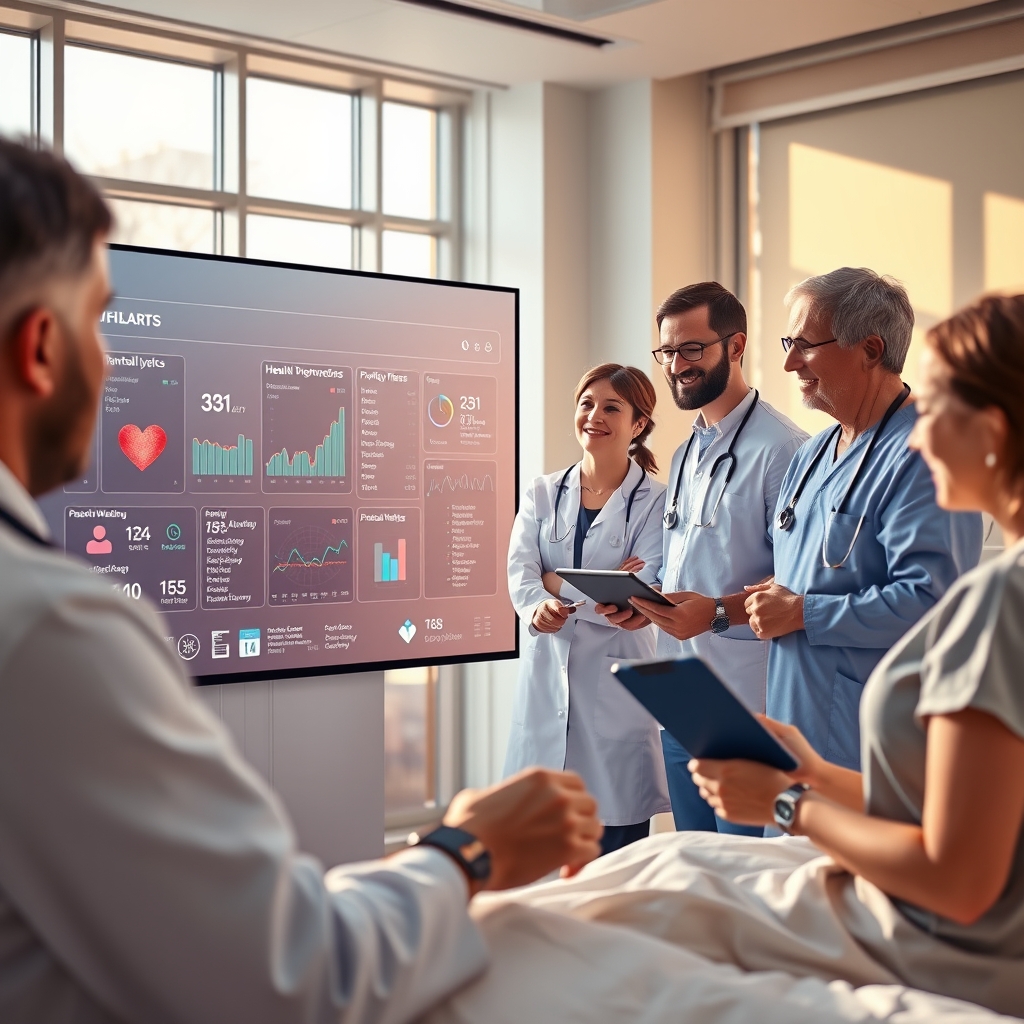
While collaboration is the backbone of patient-centric care, real-time health analytics act as the nervous system, providing the data needed to make informed, data-driven clinical decisions. Wearable devices, mobile health apps, and remote monitoring tools have made it possible to track vital signs, activity levels, and even emotional well-being in real time. This constant stream of data empowers both patients and providers to take proactive steps toward health optimization.
Consider the impact of digital health monitoring on chronic disease management. A diabetic patient, for example, can use a continuous glucose monitor to track their blood sugar levels, receiving instant alerts if their readings fall outside the target range. This real-time feedback loop enables responsive treatment adjustment, allowing for immediate interventions that prevent complications. Similarly, preventive treatment protocols can be fine-tuned based on predictive analytics, identifying high-risk individuals before they develop serious conditions.
Bridging the Gap Between Data and Human Connection
However, the true magic happens when technology and human-centric care intersect. Real-time health analytics provide the raw data, but it’s the healthcare provider’s expertise and empathy that transform that data into actionable insights. This balance is what makes technology-assisted therapy so powerful. For instance, a mental health professional might use data from a mood-tracking app to identify patterns in a patient’s emotional well-being, then adjust their therapy sessions accordingly. The result is a patient experience optimization that feels both personalized and deeply human.
Moreover, this integration of data and care fosters adaptive recovery strategies. Patients are no longer passive recipients of treatment; they become active participants in their own healing. With access to their health data, they can make informed lifestyle choices, adhere to treatment plans more effectively, and communicate more openly with their care team. This level of engagement is a cornerstone of value-based medical services, where the focus shifts from volume to outcomes.
The Future of Comprehensive Wellness Management
As healthcare continues to evolve, the emphasis on comprehensive wellness management will only grow stronger. The future lies in systems that not only treat illness but also promote overall well-being. This means moving beyond reactive care to a model that prioritizes prevention, early intervention, and long-term health maintenance. Evidence-based treatment pathways will guide this shift, ensuring that every decision is rooted in the latest research and tailored to the individual.
One of the most exciting developments in this space is the rise of outcome-focused clinical care. Unlike traditional models that measure success by the number of procedures performed or prescriptions written, outcome-focused care evaluates success based on patient health improvements. This approach incentivizes providers to deliver high-quality, personalized care that truly makes a difference in patients’ lives. It also aligns with the principles of value-based medical services, where reimbursement is tied to patient outcomes rather than service volume.
Empowering Patients Through Technology and Trust
At the core of this transformation is the idea of empowerment. When patients are equipped with the tools and knowledge to take control of their health, the entire healthcare ecosystem benefits. Digital health monitoring and real-time analytics provide the transparency needed to build trust between patients and providers. This trust, in turn, fosters a collaborative environment where patients feel heard, valued, and motivated to engage in their care.
For example, a patient with a history of heart disease might use a smartwatch to monitor their heart rate and activity levels. The data collected can be shared with their cardiologist, who can then provide personalized recommendations for exercise, diet, and stress management. This kind of seamless care coordination ensures that the patient’s treatment plan is always aligned with their current health status, reducing the risk of complications and improving their quality of life.
The journey toward patient-centric wellness plans is not without its challenges. It requires a cultural shift within the healthcare industry, one that prioritizes collaboration, data-driven decision-making, and a deep commitment to understanding each patient’s unique needs. Yet, the rewards are immense. By embracing integrated therapeutic approaches and leveraging the power of real-time health analytics, we can create a healthcare system that is not only more effective but also more compassionate. A system where healing is not just a destination but a continuous, adaptive process that honors the complexity of human health. Where every patient’s story is heard, and every treatment plan is as unique as the individual it serves.