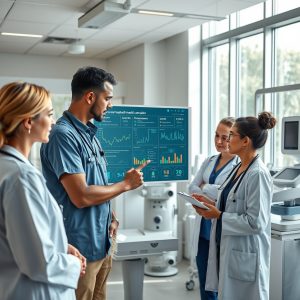
The Human Touch in a Digital Age: How Technology and Compassion Are Crafting Adaptive Recovery Strategies for Modern Healing

In an era where technology permeates every aspect of our lives, healthcare stands at a crossroads between innovation and humanity. The rise of digital health monitoring, real-time analytics, and data-driven clinical decisions has undeniably transformed the way we approach wellness. Yet, amid this technological revolution, the essence of healing remains deeply human. The challenge—and the opportunity—lies in blending these advancements with the irreplaceable elements of empathy, personalization, and holistic care to create adaptive recovery strategies that truly resonate with patients.
The Rise of Patient-Centric Wellness Plans
Gone are the days when healthcare followed a one-size-fits-all model. Today, patient-centric wellness plans are at the forefront of modern medicine, shifting the focus from treating illnesses to nurturing overall well-being. These plans are not just about addressing symptoms; they are about understanding the unique needs, preferences, and lifestyles of individuals. By integrating evidence-based treatment pathways with personalized care, healthcare providers can craft journeys that are as unique as the patients themselves. This approach not only improves outcomes but also fosters a sense of ownership and engagement in patients, making them active participants in their own healing.
The Role of Digital Health Monitoring
Digital health monitoring has emerged as a game-changer in this landscape. Wearable devices, mobile apps, and remote monitoring tools provide real-time insights into a patient’s health, allowing for proactive and preventive care. For instance, a diabetic patient can now track their glucose levels continuously, receiving alerts and recommendations tailored to their specific needs. This level of monitoring was unimaginable a decade ago, yet today, it is becoming the standard. The data collected through these tools is not just numbers on a screen; it is a window into the patient’s daily life, enabling healthcare providers to make informed, timely decisions that align with the patient’s lifestyle and goals.
Bespoke Recovery Journeys Through Integrated Therapeutic Approaches
Healing is rarely linear, and recovery journeys often require a multifaceted approach. Integrated therapeutic approaches combine conventional medicine with complementary therapies such as physiotherapy, mental health support, nutrition counseling, and even mindfulness practices. This holistic integration ensures that all aspects of a patient’s well-being are addressed, from physical health to emotional and mental resilience. For example, a patient recovering from surgery might benefit from a combination of physical therapy, pain management, and psychological support to navigate the emotional challenges of recovery. By tailoring these therapies to the individual, healthcare providers can create bespoke recovery journeys that adapt to the patient’s evolving needs.
The Power of Collaborative Care Models
Healthcare is no longer the sole domain of doctors and nurses. Today, it is a collaborative effort involving a diverse team of professionals, from pharmacists and nutritionists to social workers and mental health experts. Collaborative care models break down silos, ensuring that every aspect of a patient’s health is considered. This team-based approach is particularly effective in managing chronic conditions, where multiple factors—such as diet, medication, stress, and lifestyle—play a role. By fostering open communication and shared decision-making, collaborative care models empower patients to take control of their health while ensuring they receive comprehensive, coordinated support.
Real-Time Health Analytics: The Backbone of Responsive Treatment
In the fast-paced world of healthcare, timing is everything. Real-time health analytics enable providers to monitor patients continuously, adjusting treatments as needed to respond to changes in their condition. For example, a patient with heart disease can be monitored remotely, with algorithms analyzing their vital signs and alerting healthcare providers to any anomalies. This responsiveness not only prevents complications but also reduces the need for hospitalizations, making care more efficient and cost-effective. Moreover, real-time analytics provide a feedback loop that allows providers to refine treatment plans dynamically, ensuring they remain aligned with the patient’s progress and goals.
The Future of Preventive Treatment Protocols
Prevention has always been better than cure, but in today’s data-driven world, preventive treatment protocols are more sophisticated than ever. By leveraging predictive analytics, healthcare providers can identify risk factors early and intervene before conditions escalate. For instance, genetic testing and lifestyle assessments can reveal predispositions to certain diseases, allowing for personalized prevention strategies. This proactive approach not only improves health outcomes but also reduces the burden on healthcare systems by minimizing the need for reactive, acute care. Preventive protocols are not just about avoiding illness; they are about empowering individuals to live healthier, more fulfilling lives.
Seamless Care Coordination: Bridging the Gaps
One of the biggest challenges in healthcare is ensuring that patients receive consistent, high-quality care across different providers and settings. Seamless care coordination addresses this by creating a unified experience for patients, whether they are visiting their primary care physician, a specialist, or a rehabilitation center. Digital tools such as electronic health records (EHRs) and telemedicine platforms play a crucial role in this process, enabling secure sharing of information and real-time communication between providers. This coordination ensures that no detail is overlooked and that patients receive the right care at the right time, without unnecessary duplication or delays.
As we navigate the complexities of modern healthcare, the fusion of technology and human-centric care offers a beacon of hope. The tools and strategies we have today—from digital health monitoring to collaborative care models—are not just enhancing the efficiency of healthcare; they are making it more personal, more responsive, and more attuned to the needs of individuals. Yet, at the heart of this transformation lies a simple truth: healing is not just about science or technology. It is about connection, empathy, and the unwavering commitment to walk alongside patients on their journey to wellness. In this digital age, the human touch remains the most powerful tool we have, and it is this touch that will continue to shape the future of healing for generations to come.