The Gut-Cortisol-Sleep Triad: How Microbiome Balance, Wearable Tech, and Sleep Hygiene Are Reshaping Stress Resilience and Longevity
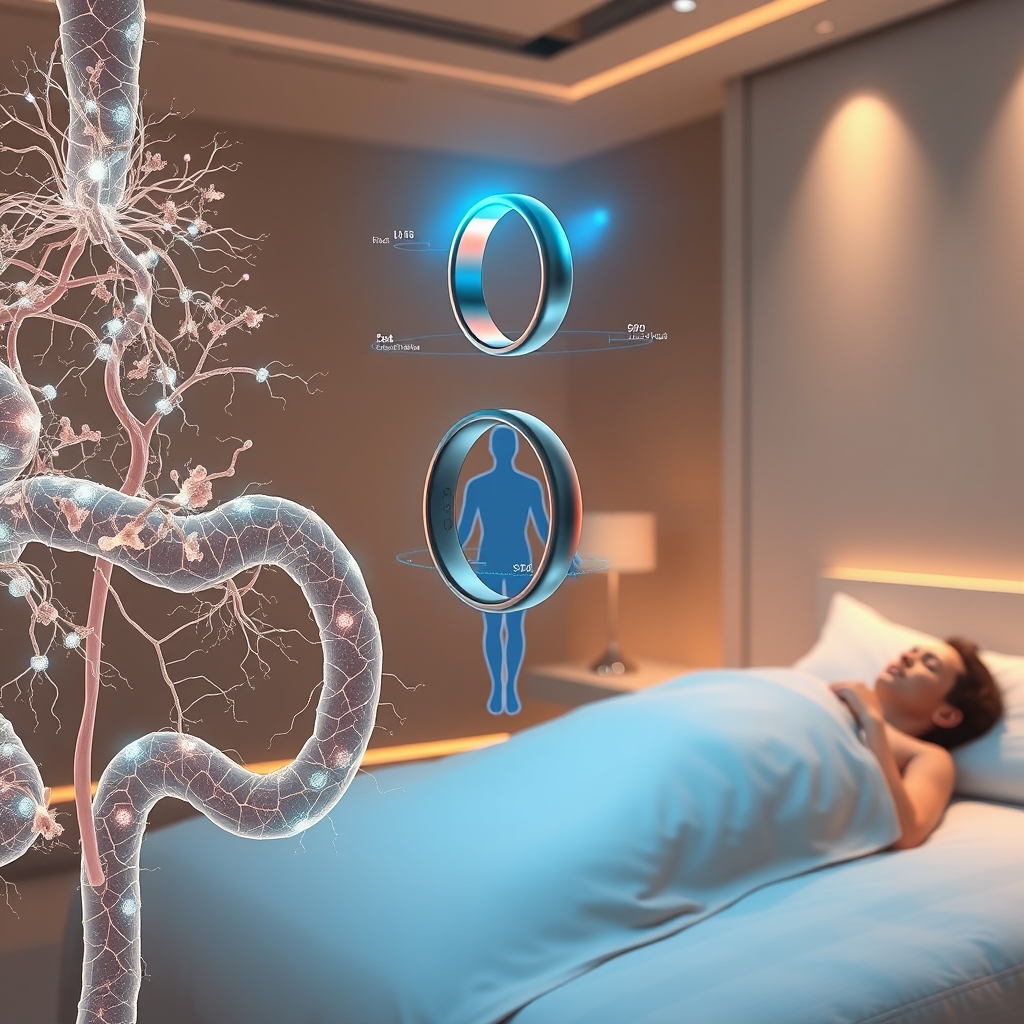
The modern world moves at a relentless pace, and with it comes an epidemic of chronic stress. Cortisol, the body’s primary stress hormone, is often cast as the villain in this narrative—yet its role is far more nuanced. When regulated properly, cortisol orchestrates energy distribution, immune function, and even cognitive clarity. But when dysregulated, it becomes a silent saboteur, eroding metabolic health, disrupting sleep, and accelerating cellular aging. The key to mastering cortisol lies not in suppressing it, but in understanding its intricate dance with two often-overlooked allies: the gut microbiome and sleep hygiene. Together, they form a triad that holds the power to reshape stress resilience and longevity.
The Gut: The Unsung Regulator of Cortisol
The gut microbiome, a vast ecosystem of trillions of microorganisms, is far more than a digestive powerhouse. Emerging research reveals its profound influence on the hypothalamic-pituitary-adrenal (HPA) axis, the body’s central stress response system. A balanced microbiome produces short-chain fatty acids (SCFAs) like butyrate, which modulate inflammation and support the integrity of the gut-brain barrier. When this barrier is compromised—due to poor diet, antibiotics, or chronic stress—it triggers a cascade of inflammatory signals that dysregulate cortisol production.
Functional medicine approaches, such as personalized nutrition, are leveraging this knowledge to optimize gut health. Probiotic strains like Lactobacillus rhamnosus and Bifidobacterium longum have been shown to reduce cortisol levels and improve stress resilience. Meanwhile, prebiotic fibers from foods like chicory root, garlic, and onions feed beneficial bacteria, fostering an environment where cortisol regulation thrives. The gut isn’t just a passive participant in stress management—it’s an active architect of resilience.
Wearable Tech: The Real-Time Cortisol Compass
Until recently, measuring cortisol required invasive blood tests or cumbersome saliva samples. Today, wearable health technology is democratizing access to real-time stress data. Devices like the Oura Ring, Whoop, and Apple Watch track physiological markers—heart rate variability (HRV), skin conductance, and sleep patterns—that correlate with cortisol fluctuations. By providing immediate feedback, these tools empower individuals to recognize stress triggers and intervene before cortisol spirals out of control.
For example, a sudden drop in HRV might signal an impending cortisol spike, prompting a user to engage in a somatic exercise like diaphragmatic breathing or a short walk. Over time, this biofeedback loop trains the body to self-regulate, reducing the cumulative burden of chronic stress. Wearable tech doesn’t just monitor cortisol—it rewires the brain’s relationship with it.
The Sleep-Cortisol Feedback Loop: Breaking the Cycle
Sleep and cortisol exist in a delicate feedback loop. Poor sleep elevates cortisol, and elevated cortisol disrupts sleep—a vicious cycle that accelerates aging and impairs cognitive function. The solution lies in sleep hygiene, a set of practices designed to optimize restorative rest. Yet, sleep hygiene is often misunderstood as merely avoiding screens before bed. True sleep optimization requires a holistic approach, one that integrates gut health, wearable insights, and behavioral strategies.
For instance, research shows that a microbiome rich in Bifidobacterium and Lactobacillus strains improves sleep quality by modulating GABA, a neurotransmitter that promotes relaxation. Meanwhile, wearable devices can identify sleep disruptions—like frequent awakenings or delayed REM phases—that correlate with cortisol spikes. Armed with this data, individuals can adjust their evening routines, such as incorporating contrast therapy (e.g., cold showers) to lower core body temperature or practicing somatic exercises to release physical tension.
Intermittent Fasting: The Metabolic Reset for Cortisol Balance
Intermittent fasting (IF) is often celebrated for its metabolic benefits, but its impact on cortisol is equally profound. When done correctly, IF acts as a mild hormetic stressor, training the body to adapt to short-term challenges without triggering chronic cortisol elevation. A 16:8 fasting window, for example, aligns with the body’s natural circadian rhythms, reducing insulin resistance and lowering inflammation—both of which indirectly support cortisol regulation.
However, fasting isn’t a one-size-fits-all solution. For individuals with adrenal fatigue or high baseline cortisol, aggressive fasting can backfire, exacerbating stress. This is where personalized nutrition and wearable tech come into play. Continuous glucose monitors (CGMs) can track how fasting affects blood sugar stability, while HRV data from wearables can signal whether the body is adapting positively or struggling. By tailoring fasting protocols to individual metabolic responses, it’s possible to harness its benefits without tipping cortisol into dysregulation.
Somatic Exercise: The Missing Link in Cortisol Regulation
Traditional exercise is a double-edged sword when it comes to cortisol. While moderate activity lowers stress hormones, intense or prolonged workouts can spike cortisol, especially in those already under chronic stress. Somatic exercise—mindful movement practices like yoga, tai chi, and qigong—offers a gentler alternative. These practices emphasize slow, controlled movements paired with breathwork, which activates the parasympathetic nervous system and downregulates cortisol.
Studies show that somatic exercises reduce cortisol more effectively than conventional workouts, particularly in high-stress populations. They also improve gut motility and microbial diversity, further reinforcing the gut-cortisol connection. When combined with wearable biofeedback, somatic practices become even more potent. For example, an Oura Ring might reveal that a 10-minute yoga session before bed lowers resting heart rate and improves sleep efficiency—direct evidence of its cortisol-lowering effects.
The Future of Stress Resilience: A Triad in Harmony
The gut, wearable tech, and sleep hygiene are not isolated tools but interconnected levers in a larger system of stress resilience. The gut microbiome lays the foundation by modulating inflammation and neurotransmitter production. Wearable technology provides the real-time data needed to fine-tune interventions. And sleep hygiene ensures that the body’s recovery processes—critical for cortisol regulation—remain uninterrupted. Together, they form a triad that doesn’t just manage stress but redefines the body’s capacity to thrive under it.
As science continues to unravel the complexities of the gut-cortisol-sleep axis, one thing is clear: resilience is not about eliminating stress but about cultivating the biological flexibility to adapt to it. By nurturing the microbiome, leveraging wearable insights, and prioritizing restorative sleep, we can rewrite the rules of stress—and in doing so, unlock a new paradigm of longevity where vitality isn’t just preserved but enhanced.