The Psychedelic-Microbiome Alliance: How Gut Health and Modern Therapies Are Unlocking New Frontiers in Mental Wellness
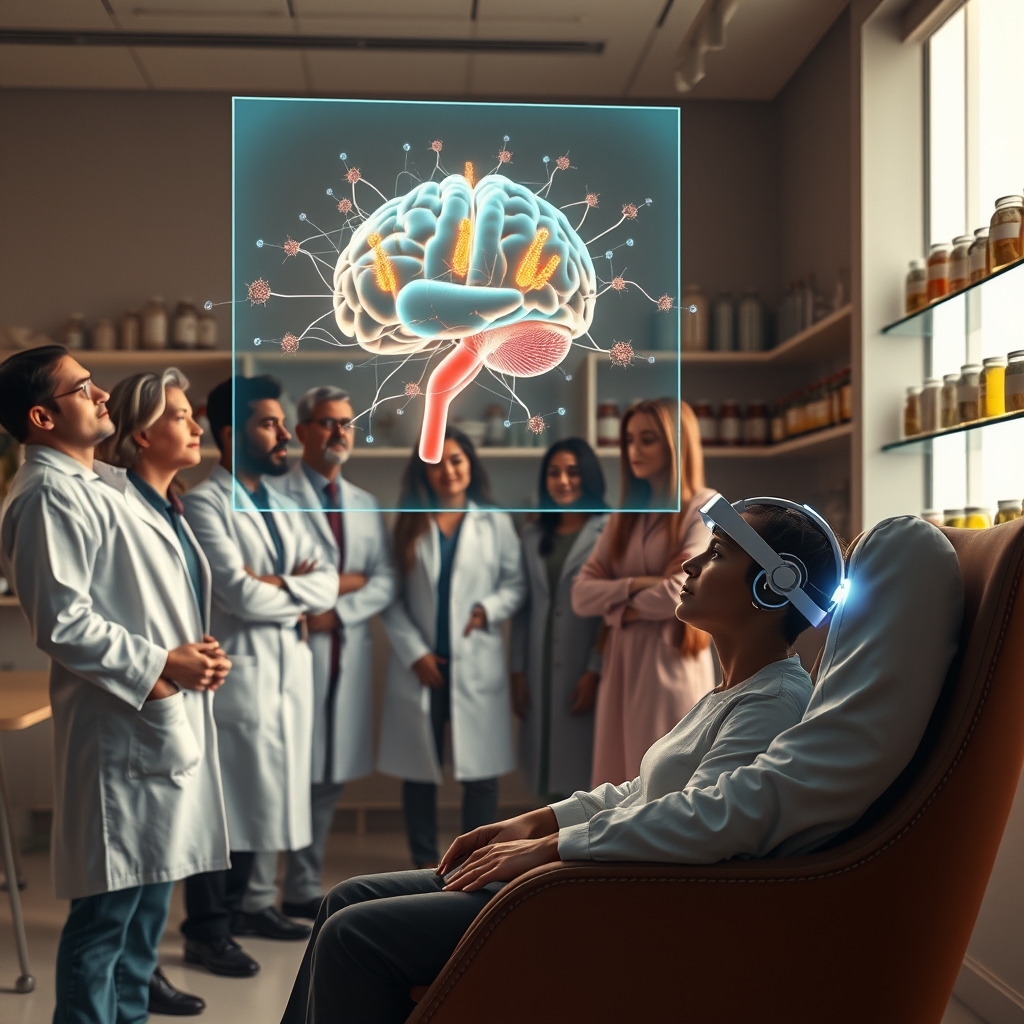
In the ever-evolving landscape of mental health, two seemingly disparate fields—psychedelic therapy and gut microbiome research—are converging to create a powerful new paradigm for healing. While psychedelics like psilocybin and MDMA have gained traction for their transformative effects on trauma, depression, and anxiety, emerging science suggests that the gut microbiome plays an equally critical role in shaping our emotional and cognitive resilience. Together, these domains are redefining what it means to nurture mental wellness, offering hope for those who have found little relief in conventional treatments.
The Gut: The Second Brain in Mental Health
The gut-brain axis has long been recognized as a bidirectional communication highway, where the trillions of microbes residing in our intestines influence everything from mood to cognition. Research has shown that an imbalance in gut bacteria—known as dysbiosis—is linked to conditions like depression, anxiety, and even neurodegenerative diseases. The mechanisms are complex, but one key pathway involves the production of neurotransmitters like serotonin, a staggering 90% of which is synthesized in the gut. When the microbiome is out of balance, this production can falter, leaving the brain vulnerable to emotional dysregulation.
But the gut’s influence doesn’t stop there. Short-chain fatty acids (SCFAs), metabolites produced by gut bacteria during the fermentation of dietary fiber, have been shown to reduce inflammation and support the integrity of the blood-brain barrier. This barrier, when compromised, can allow harmful substances to enter the brain, contributing to cognitive decline and mood disorders. By nurturing a diverse and thriving microbiome through personalized nutrition—rich in fiber, fermented foods, and polyphenols—we can create an internal environment that fosters mental clarity and emotional stability.
Psychedelics: Rewiring the Mind Through the Microbiome?
While the gut’s role in mental health is increasingly understood, the resurgence of psychedelic therapy has opened new avenues for exploration. Psychedelics like psilocybin (found in “magic mushrooms”) and MDMA (commonly associated with ecstasy) are being studied for their ability to induce neuroplasticity—the brain’s capacity to reorganize itself. This plasticity is crucial for breaking free from rigid thought patterns associated with conditions like PTSD and treatment-resistant depression. But here’s where the story takes an intriguing turn: recent research suggests that psychedelics may also exert their effects through the gut.
A 2023 study published in Nature Microbiology found that psilocybin administration in animal models led to significant changes in gut microbiome composition, particularly an increase in bacteria associated with anti-inflammatory effects. These changes correlated with reduced anxiety-like behaviors, hinting at a potential gut-mediated mechanism for psychedelics’ therapeutic benefits. While human studies are still in their infancy, the implications are profound. Could the gut microbiome be a missing link in understanding how psychedelics work? And if so, could optimizing gut health enhance the efficacy of these therapies?
The Synergy of Psychedelics and Gut Health
The intersection of psychedelics and gut health is not just theoretical—it’s already being explored in clinical settings. Some forward-thinking therapists are incorporating microbiome testing and personalized nutrition plans into psychedelic-assisted therapy protocols. The rationale is simple: if the gut influences mood and cognition, then preparing it for a psychedelic experience could amplify the therapeutic outcomes. For example, a diet rich in prebiotic fibers and probiotics might enhance the production of SCFAs, creating a more receptive environment for the neuroplastic changes induced by psychedelics.
Moreover, the anti-inflammatory effects of a healthy microbiome could help mitigate some of the temporary discomforts associated with psychedelic experiences, such as nausea or digestive upset. This holistic approach—addressing both the mind and the gut—represents a shift toward truly integrative mental health care, where no aspect of the body’s ecosystem is overlooked.
Digital Therapeutics: Bridging the Gap
As the fields of psychedelic therapy and gut health advance, digital therapeutics are emerging as a vital tool for making these innovations accessible. Apps and wearable devices can now track microbiome diversity, gut transit time, and even predict mood fluctuations based on dietary inputs. For those undergoing psychedelic therapy, digital platforms can provide guided preparation and integration support, ensuring that the insights gained during a session are translated into lasting behavioral changes.
One particularly promising application is the use of continuous glucose monitors (CGMs) to optimize metabolic health before and after psychedelic experiences. Since blood sugar fluctuations can influence mood and energy levels, stabilizing glucose through personalized nutrition may enhance the overall therapeutic process. Wearable tech can also monitor stress biomarkers like cortisol, helping individuals identify patterns that might interfere with their mental health journey. By leveraging these tools, patients and practitioners can create a data-driven, personalized roadmap for healing.
The Future of Mental Wellness
The convergence of psychedelic therapy, gut health, and digital therapeutics is not just a trend—it’s a fundamental shift in how we approach mental wellness. For too long, mental health care has been siloed, with treatments focusing narrowly on symptoms rather than the interconnected systems of the body. But as we deepen our understanding of the gut-brain axis and the potential of psychedelics to catalyze healing, a more holistic and effective model is emerging. This model recognizes that true resilience is built not just in the mind, but in the intricate dialogue between our gut, brain, and environment.
As research continues to unfold, one thing is clear: the future of mental health lies in integration. Whether it’s through the careful cultivation of a thriving microbiome, the transformative power of psychedelics, or the precision of digital therapeutics, the path to healing is becoming more personalized, more empowering, and more attuned to the body’s innate wisdom. For those who have struggled to find relief in traditional therapies, this new frontier offers a beacon of hope—a reminder that the keys to mental wellness may lie not just in the mind, but in the unseen ecosystems within us.