The Emerging Role of Digital Therapeutics in Psychedelic-Assisted Therapy for Cognitive and Immune Resilience
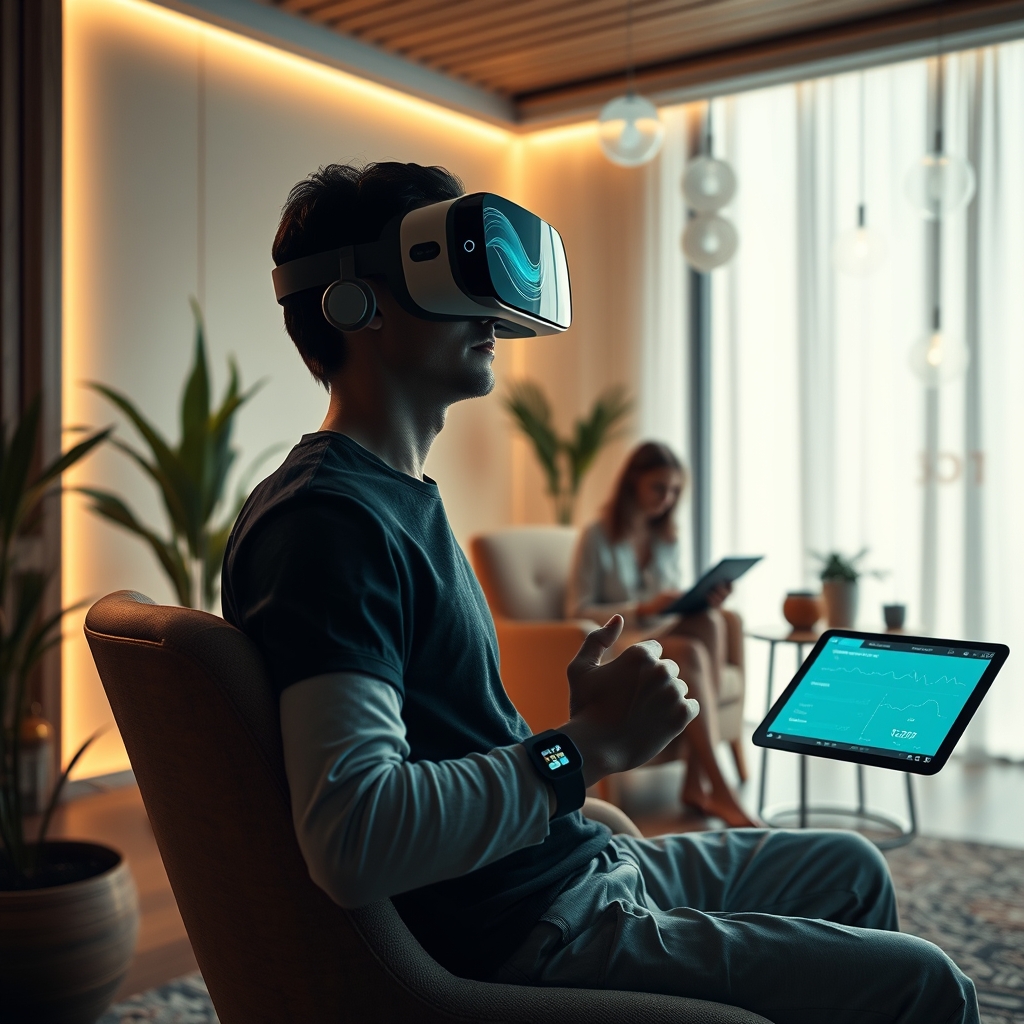
In the ever-evolving landscape of mental health and preventive healthcare, a groundbreaking convergence is taking place—one that blends ancient wisdom with cutting-edge technology. Psychedelic-assisted therapy, once relegated to the fringes of medical research, is now experiencing a renaissance, thanks in part to the integration of digital therapeutics. This fusion is not only redefining cognitive health but also unlocking new pathways to immune resilience, offering hope for those grappling with conditions like depression, PTSD, and chronic stress.
The Psychedelic Renaissance: A Brief Overview
Psychedelics such as psilocybin, MDMA, and ketamine have long been recognized for their potential to induce profound shifts in consciousness, often leading to lasting therapeutic benefits. Recent clinical trials have demonstrated their efficacy in treating treatment-resistant depression, anxiety, and even addiction. However, the traditional model of psychedelic therapy—often involving a single, intensive session with a therapist—has its limitations. Enter digital therapeutics: a suite of tools designed to enhance, extend, and personalize the therapeutic experience.
How Digital Therapeutics Are Enhancing Psychedelic Therapy
Digital therapeutics (DTx) encompass a range of software-driven interventions, from mobile apps to virtual reality (VR) experiences, that deliver evidence-based therapeutic interventions. When paired with psychedelic therapy, these tools can address several critical gaps:
- Preparation and Integration: Psychedelic experiences can be intense and disorienting. DTx platforms like Mindleap or Trip offer guided preparation sessions, helping individuals set intentions and mentally prepare for their journey. Post-session, these tools provide integration exercises, such as journaling prompts or mindfulness practices, to help users process and apply insights gained during their experience.
- Personalization: Every individual’s response to psychedelics is unique. Wearable health technology, such as continuous glucose monitors (CGMs) or heart rate variability (HRV) trackers, can provide real-time data on physiological responses during a session. This data allows therapists to tailor the experience in real time, adjusting music, lighting, or even the dosage of the psychedelic compound to optimize outcomes.
- Accessibility: Psychedelic therapy is often expensive and geographically limited. DTx platforms can democratize access by offering remote preparation and integration sessions, reducing the need for in-person visits. Some platforms even provide virtual therapy sessions, making it easier for individuals in remote or underserved areas to benefit from these treatments.
- Safety and Monitoring: One of the primary concerns with psychedelic therapy is ensuring the safety of participants. DTx tools can monitor vital signs, such as heart rate and cortisol levels, during a session, alerting therapists to any signs of distress. Additionally, AI-driven chatbots can provide immediate support if a participant feels overwhelmed, offering grounding techniques or connecting them with a human therapist if needed.
The Science Behind the Synergy
The combination of psychedelics and digital therapeutics is not just a matter of convenience—it’s rooted in science. Psychedelics work by temporarily disrupting the default mode network (DMN), a brain network associated with self-referential thoughts and rumination. This disruption can lead to increased neuroplasticity, allowing the brain to form new, healthier patterns of thought and behavior. Digital therapeutics, particularly those involving cognitive behavioral therapy (CBT) or mindfulness practices, can reinforce these changes by providing structured exercises that encourage the brain to adopt these new patterns.
Immune Resilience and Cognitive Health
Emerging research suggests that psychedelics may also play a role in modulating the immune system. Chronic stress and inflammation are known to contribute to cognitive decline and mental health disorders. Psychedelics like psilocybin have been shown to reduce inflammation and promote immune resilience, potentially offering a dual benefit for both mental and physical health. When combined with digital therapeutics that track biomarkers like cortisol levels or gut microbiome health, individuals can gain a holistic view of how their mental and physical well-being are interconnected.
Real-World Applications and Future Directions
Several companies and research institutions are already exploring the potential of this synergy. For example, Field Trip Health, a chain of psychedelic therapy clinics, has integrated digital therapeutics into its treatment model, offering patients a comprehensive app to support their journey. Similarly, Compass Pathways is conducting clinical trials on psilocybin therapy for treatment-resistant depression, with plans to incorporate digital tools to enhance outcomes.
Challenges and Considerations
Despite the promise, there are challenges to overcome. Regulatory hurdles, ethical considerations, and the need for standardized protocols are just a few of the obstacles facing this emerging field. Additionally, the long-term effects of combining psychedelics with digital therapeutics are not yet fully understood, necessitating further research and cautious optimism.
The Role of Functional Medicine and Personalized Nutrition
No discussion of cognitive and immune resilience would be complete without addressing the role of functional medicine and personalized nutrition. The gut microbiome, often referred to as the “second brain,” plays a crucial role in mental health and immune function. Psychedelics have been shown to influence gut health, and when combined with personalized nutrition plans—tailored using data from wearable tech like CGMs—individuals can optimize their microbiome for better mental and physical outcomes. Digital therapeutics can further support this by offering dietary recommendations, probiotic suggestions, and even meal-planning tools based on real-time health data.
As we stand on the precipice of a new era in mental health and preventive healthcare, the fusion of psychedelic therapy and digital therapeutics offers a beacon of hope. This approach is not just about treating symptoms—it’s about rewiring the brain, strengthening the immune system, and empowering individuals to take control of their cognitive and physical well-being. The tools and technologies at our disposal today are more advanced than ever, and when used thoughtfully, they have the potential to transform lives in ways we are only beginning to understand. The journey is just beginning, and the possibilities are as vast as the human mind itself.