The Gut-Cortisol-Sleep Nexus: How Wearable Tech, Gut Health, and Sleep Hygiene Are Redefining Stress Resilience and Longevity
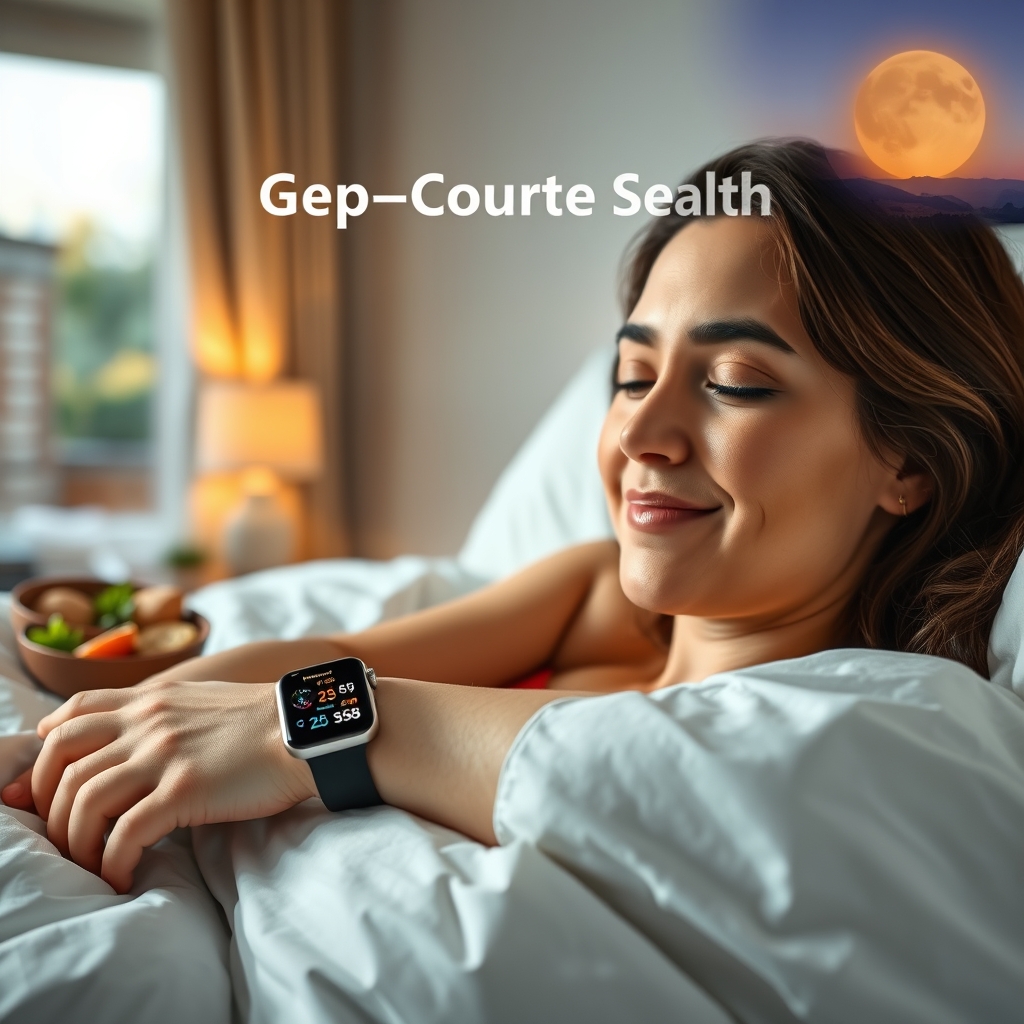
In the quest for longevity and optimal health, the gut-brain axis has emerged as a critical nexus. The interplay between gut health, cortisol regulation, and sleep hygiene is a complex yet fascinating area of study, with wearable technology playing a pivotal role in unlocking its secrets.
The Gut-Cortisol Connection
The gut, often referred to as the ‘second brain,’ is home to trillions of microorganisms that play a crucial role in our overall health. These microorganisms, collectively known as the gut microbiome, influence various physiological processes, including immune function, metabolism, and even our stress response.
Cortisol, often referred to as the ‘stress hormone,’ is produced by the adrenal glands in response to stress. While cortisol is essential for survival, chronic stress and elevated cortisol levels can lead to a host of health problems, including metabolic disorders, immune dysfunction, and cognitive decline.
Recent research has shown that the gut microbiome can influence cortisol levels. For instance, studies have found that a balanced gut microbiome can help regulate cortisol production, promoting a state of stress resilience. Conversely, an imbalanced gut microbiome, often associated with conditions like obesity, diabetes, and inflammatory bowel disease, can lead to chronic inflammation and elevated cortisol levels.
The Sleep-Gut-Cortisol Triad
Sleep is another critical factor in the gut-cortisol nexus. Poor sleep quality and insufficient sleep duration can lead to increased cortisol levels, which in turn can negatively impact gut health. Conversely, a healthy gut microbiome can promote better sleep quality, creating a positive feedback loop.
Wearable technology has emerged as a powerful tool in monitoring and managing this gut-cortisol-sleep triad. Devices like smartwatches and fitness trackers can provide real-time data on sleep quality, physical activity, and even stress levels. Continuous glucose monitoring (CGM) devices, on the other hand, can provide valuable insights into metabolic health and insulin sensitivity, both of which are influenced by gut health and cortisol regulation.
Wearable Tech and Gut Health
Wearable technology is not just about monitoring; it’s also about intervention. For instance, some smartwatches and fitness trackers can provide personalized feedback and suggestions to improve sleep hygiene, reduce stress, and promote gut health. These devices can track factors like heart rate variability, which is a marker of autonomic nervous system activity and can be influenced by both gut health and cortisol levels.
Moreover, wearable tech can be used to deliver interventions that promote gut health. For example, some devices can provide reminders to take probiotics, or to engage in activities that promote a healthy gut microbiome, like eating fermented foods or getting regular exercise.
Sleep Hygiene and the Gut-Cortisol Nexus
Sleep hygiene, the practice of maintaining healthy sleep patterns, is another critical component of the gut-cortisol nexus. Poor sleep hygiene can lead to chronic stress, elevated cortisol levels, and an imbalanced gut microbiome. Conversely, good sleep hygiene can promote a healthy gut microbiome and help regulate cortisol levels.
Wearable technology can play a crucial role in promoting sleep hygiene. Devices like smartwatches and fitness trackers can provide insights into sleep patterns, helping individuals identify and address sleep issues. They can also provide reminders to establish and maintain healthy sleep routines, like going to bed and waking up at the same time every day, creating a relaxing bedtime routine, and optimizing the sleep environment.
The Future of Gut-Cortisol-Sleep Management
As our understanding of the gut-cortisol-sleep nexus deepens, so too does the potential for wearable technology to play a more active role in managing and optimizing this complex interplay. Future devices may be able to provide more personalized and targeted interventions, based on an individual’s unique gut microbiome profile, cortisol levels, and sleep patterns.
For instance, a device might be able to detect signs of stress or poor sleep quality, and then provide personalized recommendations to address these issues. It might suggest a particular type of probiotic to take, or recommend a specific type of exercise to help regulate cortisol levels. It might even be able to provide biofeedback, helping individuals learn to regulate their own stress response and sleep patterns.
In the grand scheme of things, the gut-cortisol-sleep nexus represents a fascinating and complex interplay of physiological processes. Wearable technology is playing an increasingly important role in unlocking the secrets of this nexus, and in helping individuals optimize their gut health, regulate their cortisol levels, and improve their sleep hygiene. As our understanding of this interplay continues to evolve, so too will the potential for wearable technology to play a more active and personalized role in promoting health and longevity.