The Silent Revolution: How Zone Two Training and Rucking Are Redefining Aerobic Capacity for Lifelong Athletes
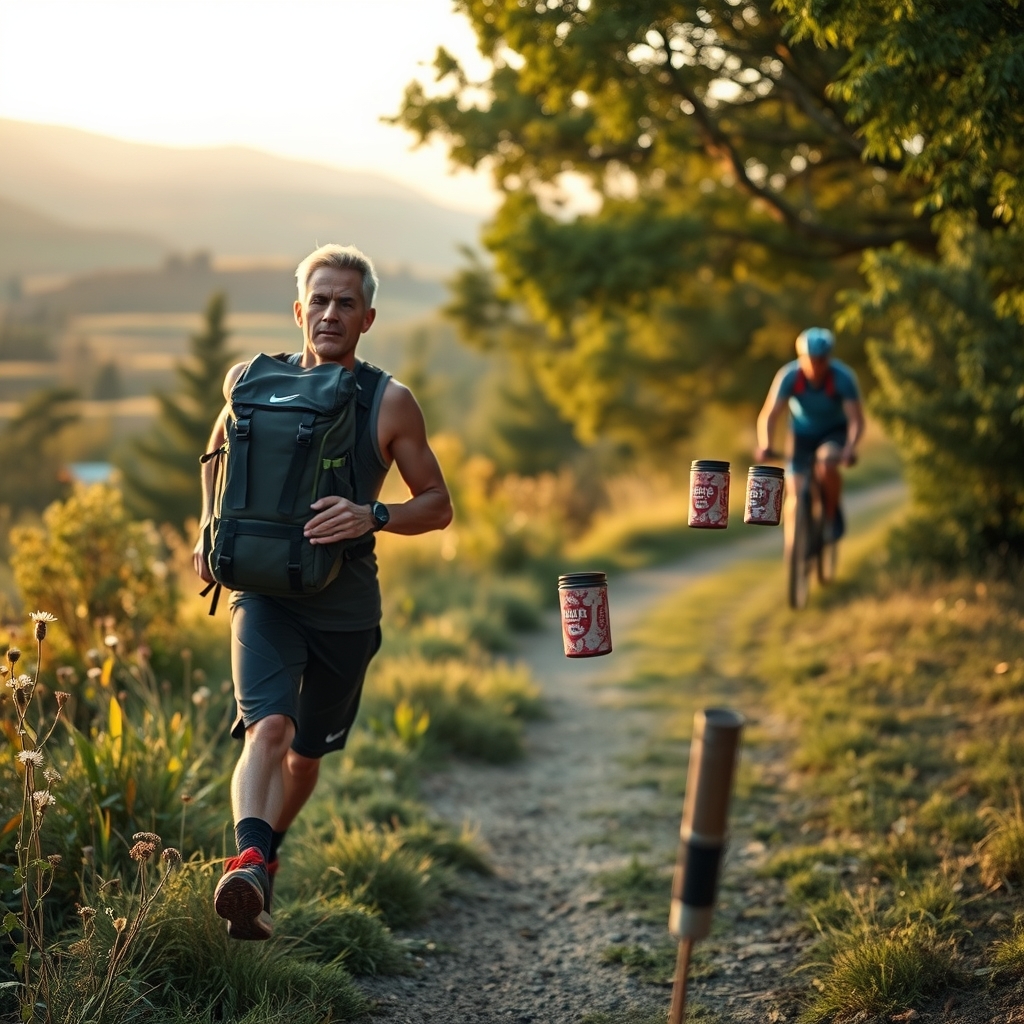
In the ever-evolving landscape of fitness, where high-intensity workouts and flashy trends often dominate the conversation, a quieter revolution is taking place—one rooted in science, sustainability, and the pursuit of lifelong performance. At the heart of this movement lies the strategic integration of Zone Two Training and rucking, two methodologies that are reshaping how we approach aerobic capacity, cardiorespiratory endurance, and longevity fitness. Far from the fleeting allure of extreme workouts, these practices offer a blueprint for building a resilient, high-functioning body that thrives well into later decades.
The Science of Zone Two: Where Endurance Meets Longevity
Zone Two Training, often referred to as the “fat-burning zone,” is characterized by steady-state cardio performed at 60-70% of your maximum heart rate. This intensity is low enough to sustain for extended periods but high enough to stimulate meaningful adaptations in the cardiovascular system. Research has shown that consistent Zone Two work enhances mitochondrial efficiency, improves capillary density, and increases stroke volume—all of which contribute to a more robust aerobic engine. Unlike high-intensity interval training (HIIT), which can tax the nervous system and joints over time, Zone Two is sustainable, making it a cornerstone of longevity fitness.
But why does this matter for the long game? The answer lies in the body’s ability to efficiently utilize oxygen. As we age, our cardiorespiratory endurance naturally declines, but Zone Two Training acts as a buffer, slowing this deterioration. It’s not about pushing limits in the moment; it’s about preserving function for decades. For those who prioritize active recovery sessions and low-impact training, Zone Two is the perfect complement, offering a way to build endurance without the wear and tear of more aggressive modalities.
Rucking: The Functional Strength and Endurance Hybrid
If Zone Two Training is the engine, then rucking is the chassis—providing the structural integrity needed to support long-term performance. Rucking, the act of walking or hiking with a weighted pack, is one of the most underrated tools for building functional strength, muscular endurance, and core stability. Unlike traditional weightlifting, which often isolates muscle groups, rucking forces the body to work as a cohesive unit, engaging everything from the legs and glutes to the shoulders and back. The result? A stronger, more resilient physique that translates to real-world movement.
What makes rucking particularly powerful is its scalability. Beginners can start with a light load (10-20 pounds) and gradually increase weight as their muscular endurance improves. For those focused on body recomposition, rucking burns calories efficiently while preserving lean muscle mass, making it an ideal tool for fat loss without the joint stress of running. Additionally, the weighted load challenges the grip strength and neuromuscular coordination, further enhancing functional capacity. When paired with Zone Two Training, rucking creates a synergistic effect, boosting both aerobic and anaerobic systems in a way that few other modalities can.
Mobility and Recovery: The Unsung Heroes of Sustainable Fitness
No discussion of longevity fitness would be complete without addressing mobility and recovery. While Zone Two and rucking build the foundation, mobility workouts and active recovery sessions ensure that the body remains supple, injury-resistant, and primed for performance. Mobility drills—such as dynamic stretching, yoga, or Pilates Reformer workouts—enhance joint range of motion, reduce stiffness, and improve movement efficiency. For those engaged in rucking or eccentric overload training, mobility work is non-negotiable, as it counteracts the compressive forces of weighted movement and heavy lifting.
Active recovery, on the other hand, bridges the gap between intense training sessions. Low-impact activities like swimming, cycling, or even leisurely walking in Zone Two promote blood flow, aid in muscle repair, and prevent burnout. When combined with neuromuscular training—exercises that improve the communication between the nervous system and muscles—active recovery becomes a proactive tool for maintaining performance. The key is consistency; just as Zone Two and rucking are integrated into weekly routines, so too should mobility and recovery be prioritized.
Building a Hybrid Fitness Routine for Life
The true magic happens when these elements are woven together into a hybrid fitness routine. Imagine a week where Zone Two runs or cycling sessions build your aerobic base, rucking hikes develop functional strength, and mobility work keeps your body moving freely. Throw in a session of high-intensity resistance training or metabolic conditioning for power and metabolic flexibility, and you have a well-rounded approach that addresses strength, endurance, and longevity. This isn’t about chasing short-term gains; it’s about creating a body that remains capable, adaptable, and resilient as the years pass.
For those new to this approach, the transition can feel counterintuitive. After all, society often equates fitness with exhaustion—pushing harder, lifting heavier, and leaving nothing in the tank. But the silent revolution of Zone Two and rucking challenges this narrative. It’s not about how much you can endure in a single session; it’s about how well you can sustain performance over a lifetime. The athletes and everyday individuals who embrace this philosophy aren’t just fitter; they’re healthier, more mobile, and better equipped to handle the physical demands of life, whether that means carrying groceries, playing with grandchildren, or tackling a multi-day hike.
As the fitness industry continues to evolve, the most forward-thinking approaches will be those that prioritize sustainability over spectacle. Zone Two Training and rucking are not flashy, but their impact is profound. They remind us that true fitness isn’t measured by the intensity of a single workout but by the consistency of a lifelong practice. In a world where burnout and injury are all too common, these methodologies offer a path to strength, endurance, and vitality that lasts—not just for a season, but for a lifetime.