The Silent Saboteur: How Chronic Inflammation and Autoimmune Conditions Are Rewriting the Rules of Modern Health
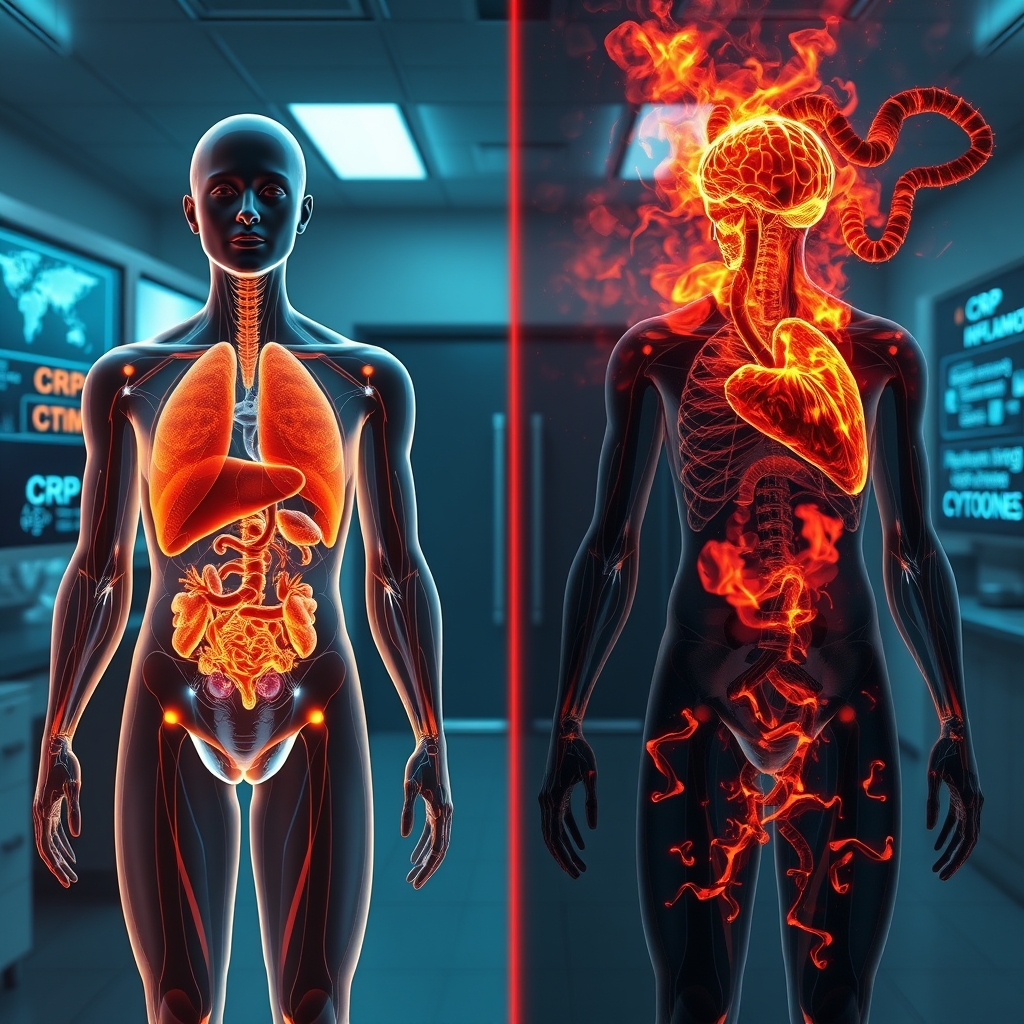
In the quiet corners of our bodies, a battle rages—one that doesn’t always announce itself with fever or pain but instead simmers beneath the surface, reshaping our health in ways we are only beginning to understand. Chronic inflammation, once thought to be merely a byproduct of injury or infection, has emerged as a central player in some of the most pressing health challenges of our time. From the insidious creep of autoimmune conditions to the subtle erosion of cognitive function, this silent saboteur is rewriting the rules of modern medicine.
The Invisible Fire Within
Inflammation is the body’s natural response to harm—a defense mechanism designed to protect and heal. But when this response becomes chronic, it transforms from a guardian into a destroyer. Unlike acute inflammation, which flares up and subsides, chronic inflammation lingers, often for years, silently damaging tissues and organs. Research now links this persistent state to a cascade of conditions: cardiovascular disease, metabolic dysfunction, and even severe anxiety. The connection is so profound that some scientists refer to chronic inflammation as the “common denominator” of modern chronic diseases.
One of the most alarming consequences of this prolonged inflammatory state is its role in autoimmune conditions. In these disorders, the immune system, designed to defend against invaders, turns against the body’s own tissues. Conditions like rheumatoid arthritis, lupus, and multiple sclerosis are not just painful—they are progressive, often debilitating, and increasingly common. The rise in autoimmune diseases over the past few decades has left researchers scrambling for answers, with chronic inflammation emerging as a key suspect.
The Gut-Brain Axis: A Two-Way Street of Trouble
The gut has long been called the “second brain,” and for good reason. The intricate network of neurons lining our digestive tract doesn’t just process food—it communicates directly with the brain, influencing everything from mood to memory. When chronic inflammation disrupts this delicate balance, the consequences can be far-reaching. Neuroinflammation, a term once reserved for severe brain injuries, is now recognized as a driver of cognitive decline, adolescent depression, and even menopausal brain fog.
Studies have shown that individuals with chronic inflammatory conditions are at a higher risk of developing neurodegenerative diseases like Alzheimer’s. The inflammation doesn’t just stay confined to the gut or joints—it seeps into the brain, where it accelerates the breakdown of neural pathways. For adolescents, this can manifest as depression or severe anxiety, conditions that are often dismissed as “just a phase” but may have roots in immune dysregulation. Similarly, women experiencing menopause may find their cognitive struggles compounded by inflammation, turning what should be a natural transition into a period of heightened vulnerability.
The Ripple Effect: From Metabolic Dysfunction to Cardiovascular Disease
Chronic inflammation doesn’t work in isolation. It intertwines with other modern health crises, creating a web of interconnected risks. Insulin resistance, a hallmark of metabolic dysfunction, is both a cause and consequence of inflammation. When the body’s cells become resistant to insulin, blood sugar levels rise, triggering an inflammatory response that further damages tissues. This vicious cycle fuels conditions like type 2 diabetes and obesity, which in turn increase the risk of cardiovascular disease.
The link between inflammation and heart health is particularly troubling. Inflammatory markers like C-reactive protein (CRP) are now used to predict cardiovascular events, even in individuals with no other risk factors. This suggests that the inflammation itself may be driving the damage, independent of traditional culprits like high cholesterol or hypertension. The implications are staggering: if we can control inflammation, we may be able to prevent or even reverse some of the most common and deadly diseases of our time.
Infectious Threats in an Inflammatory World
The relationship between chronic inflammation and infectious diseases is a double-edged sword. On one hand, a body already burdened by inflammation may be less equipped to fight off new infections, whether it’s a measles outbreak, a norovirus outbreak, or the looming threat of zoonotic infections like bird flu or hantavirus. On the other hand, infections themselves can trigger or worsen chronic inflammation, creating a feedback loop that leaves individuals more vulnerable to future health crises.
Take Long Covid, for example. Many of its symptoms—brain fog, fatigue, and cardiovascular issues—are now believed to be driven by persistent inflammation. Similarly, antimicrobial resistance, a growing global concern, is exacerbated by the overuse of antibiotics in both medicine and agriculture. These drugs, while life-saving, can disrupt the gut microbiome, leading to chronic inflammation and a weakened immune response. The result is a world where infections are harder to treat, and the body’s ability to recover is compromised.
Breaking the Cycle: Can We Turn the Tide?
The good news is that chronic inflammation is not an inevitable fate. Lifestyle changes, from diet to stress management, can significantly reduce inflammatory markers. Anti-inflammatory foods like leafy greens, fatty fish, and berries have been shown to lower CRP levels, while regular exercise can help regulate the immune system. Even sleep, often overlooked in discussions about health, plays a critical role in keeping inflammation in check.
Medical advancements are also offering new hope. Biologics, a class of drugs that target specific pathways in the immune system, are transforming the treatment of autoimmune conditions. Meanwhile, researchers are exploring the potential of probiotics and fecal transplants to restore balance to the gut microbiome, reducing inflammation from the inside out. These innovations suggest that while chronic inflammation may be a defining challenge of our time, it is not an insurmountable one.
As we peel back the layers of this complex issue, one thing becomes clear: the health challenges of the 21st century are not isolated problems but interconnected crises, with chronic inflammation at their core. Addressing it requires a shift in how we think about health—not as a series of separate conditions to be treated in isolation, but as a dynamic system where every part influences the whole. The choices we make today, from the food we eat to the way we manage stress, will determine whether this silent saboteur continues to rewrite the rules of our health or whether we finally take back control.