The Science of Sleep Hygiene: How Modern Tools and Ancient Practices Unlock Deep Rest for Cognitive and Metabolic Health
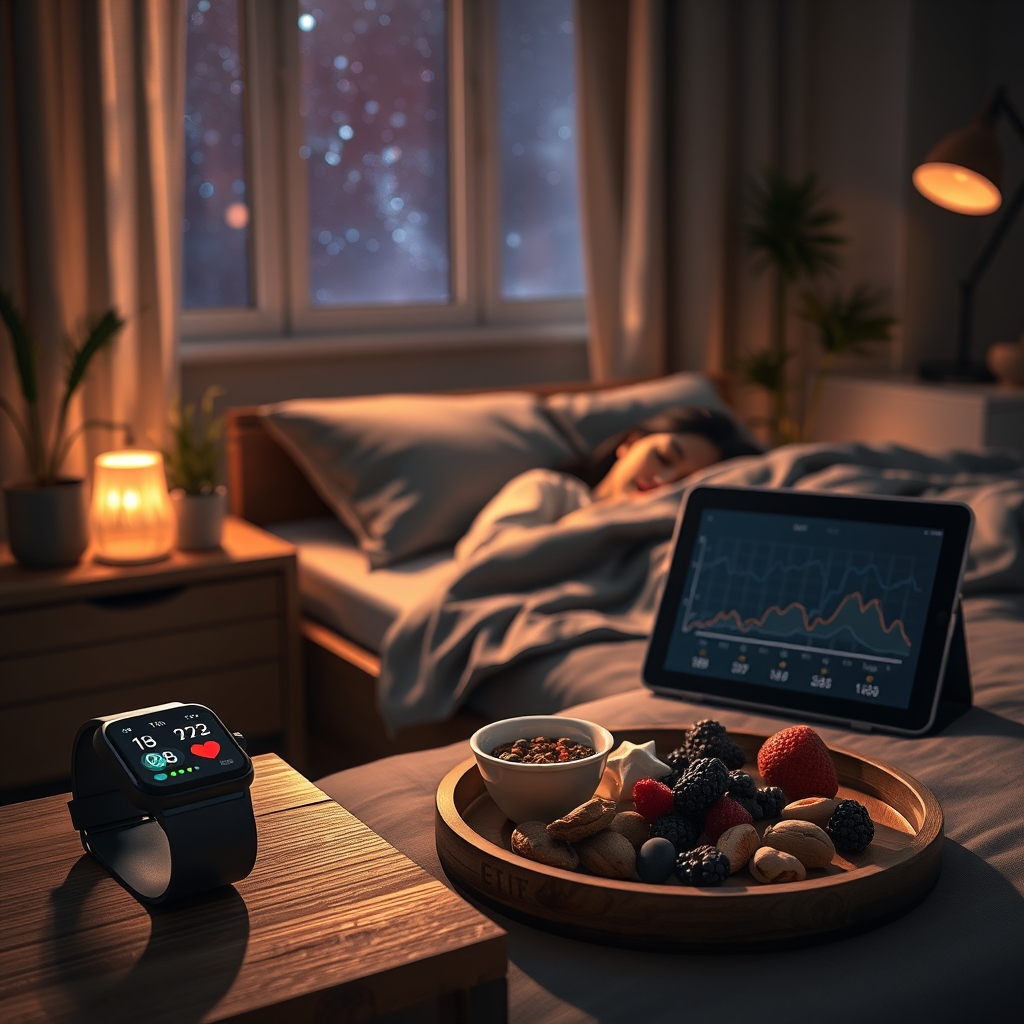
Sleep is the cornerstone of well-being, yet in a world of endless notifications, artificial lighting, and relentless schedules, restorative rest has become a rare commodity. The consequences of poor sleep extend far beyond grogginess—disrupting metabolic fitness, cognitive health, and even immune resilience. Emerging research in longevity medicine and functional medicine reveals that sleep hygiene isn’t just about logging hours in bed; it’s about optimizing the quality of those hours through science-backed strategies and cutting-edge tools.
The Gut-Sleep Connection: A Two-Way Street
The gut microbiome, a bustling ecosystem of trillions of microorganisms, plays a surprising role in regulating sleep. Studies show that disruptions in gut bacteria—often caused by poor diet, stress, or antibiotics—can alter circadian rhythms and reduce sleep efficiency. Conversely, deep sleep promotes a healthy gut by enhancing microbial diversity and reducing inflammation. This bidirectional relationship suggests that improving gut health through personalized nutrition—such as fiber-rich foods, fermented products, and prebiotics—may indirectly enhance sleep quality. For those struggling with insomnia or fragmented sleep, addressing gut imbalances could be a game-changer.
Wearable Tech and Continuous Monitoring: Data-Driven Sleep Optimization
Wearable health technology has revolutionized how we track and understand sleep. Devices like smartwatches and rings now offer continuous glucose monitoring, heart rate variability (HRV) tracking, and even sleep stage analysis. These tools provide real-time feedback, allowing users to identify patterns—such as how late-night meals or caffeine intake affect deep sleep or how stress levels correlate with restless nights. Some advanced wearables even integrate with digital therapeutics platforms, offering personalized recommendations for improving sleep hygiene based on individual data. For example, if a device detects elevated cortisol levels before bedtime, it might suggest somatic exercises or contrast therapy to promote relaxation.
The Role of Light and Temperature in Sleep Architecture
Our ancestors’ sleep patterns were synchronized with natural light cycles, but modern life has disrupted this harmony. Exposure to blue light from screens suppresses melatonin, the hormone responsible for sleep onset, while artificial lighting confuses the brain’s internal clock. Functional medicine experts recommend minimizing screen time at least an hour before bed and using blue-light-blocking glasses in the evening. Additionally, temperature plays a critical role in sleep quality. The body’s core temperature naturally drops to initiate sleep, and studies show that cooler bedroom environments (around 65°F or 18°C) enhance deep sleep. Some wearable devices now include temperature sensors to help users optimize their sleep environment.
Intermittent Fasting and Metabolic Fitness: Aligning Eating Patterns with Sleep
Intermittent fasting isn’t just a tool for weight management—it’s also a powerful lever for improving sleep. By aligning eating windows with the body’s natural circadian rhythms, fasting can stabilize blood sugar levels and reduce nighttime awakenings. Research suggests that eating late at night disrupts the body’s metabolic processes, leading to poorer sleep quality and increased cortisol levels. Continuous glucose monitoring (CGM) devices can help individuals identify how their eating patterns affect sleep, enabling them to adjust meal timing for better rest. For instance, finishing dinner at least three hours before bedtime may prevent glucose spikes that interfere with deep sleep.
Psychedelic Therapy and Cognitive Health: A New Frontier for Sleep Disorders
While still in its early stages, psychedelic therapy is showing promise as a treatment for sleep disorders, particularly those linked to trauma or chronic stress. Compounds like psilocybin and MDMA are being studied for their ability to reset neural pathways, reduce hyperarousal, and improve sleep architecture. Unlike traditional sleep medications, which often come with side effects and dependency risks, psychedelic-assisted therapy aims to address the root causes of sleep disturbances. Early clinical trials suggest that these therapies may help individuals with PTSD, anxiety, and depression achieve more restful sleep by promoting emotional processing and reducing nighttime rumination.
Active Recovery and Somatic Practices: Calming the Nervous System
For those who struggle with racing thoughts or physical tension at bedtime, somatic exercises and active recovery techniques can be transformative. Practices like yoga nidra, progressive muscle relaxation, and breathwork help regulate the autonomic nervous system, shifting the body from a state of fight-or-flight to rest-and-digest. Wearable devices that track HRV can provide feedback on how effectively these practices reduce stress. Additionally, contrast therapy—alternating between hot and cold exposure—has been shown to lower cortisol levels and improve sleep quality by promoting relaxation and reducing inflammation.
Preventive Healthcare: The Long-Term Benefits of Prioritizing Sleep
Investing in sleep hygiene isn’t just about feeling better tomorrow—it’s a cornerstone of preventive healthcare. Chronic sleep deprivation is linked to a host of long-term health issues, including metabolic syndrome, cognitive decline, and weakened immune resilience. By leveraging tools like wearable health technology, personalized nutrition, and stress-reduction techniques, individuals can take a proactive approach to their well-being. Functional medicine practitioners often emphasize that small, consistent changes—such as maintaining a regular sleep schedule, optimizing light exposure, and managing stress—can yield profound improvements in both longevity and quality of life.
In a world that glorifies productivity and burnout, sleep is often the first sacrifice. Yet, the science is clear: restorative rest is not a luxury but a biological necessity. By integrating ancient wisdom with modern innovation—whether through gut-healthy diets, wearable tech, or somatic practices—we can reclaim the power of deep sleep and unlock its full potential for cognitive clarity, metabolic balance, and lasting vitality. The journey to better sleep begins with a single, intentional step, and the rewards extend far beyond the night.