The Gut-Mind Connection: How Personalized Nutrition and Somatic Exercise Are Revolutionizing Mental Health Through the Microbiome
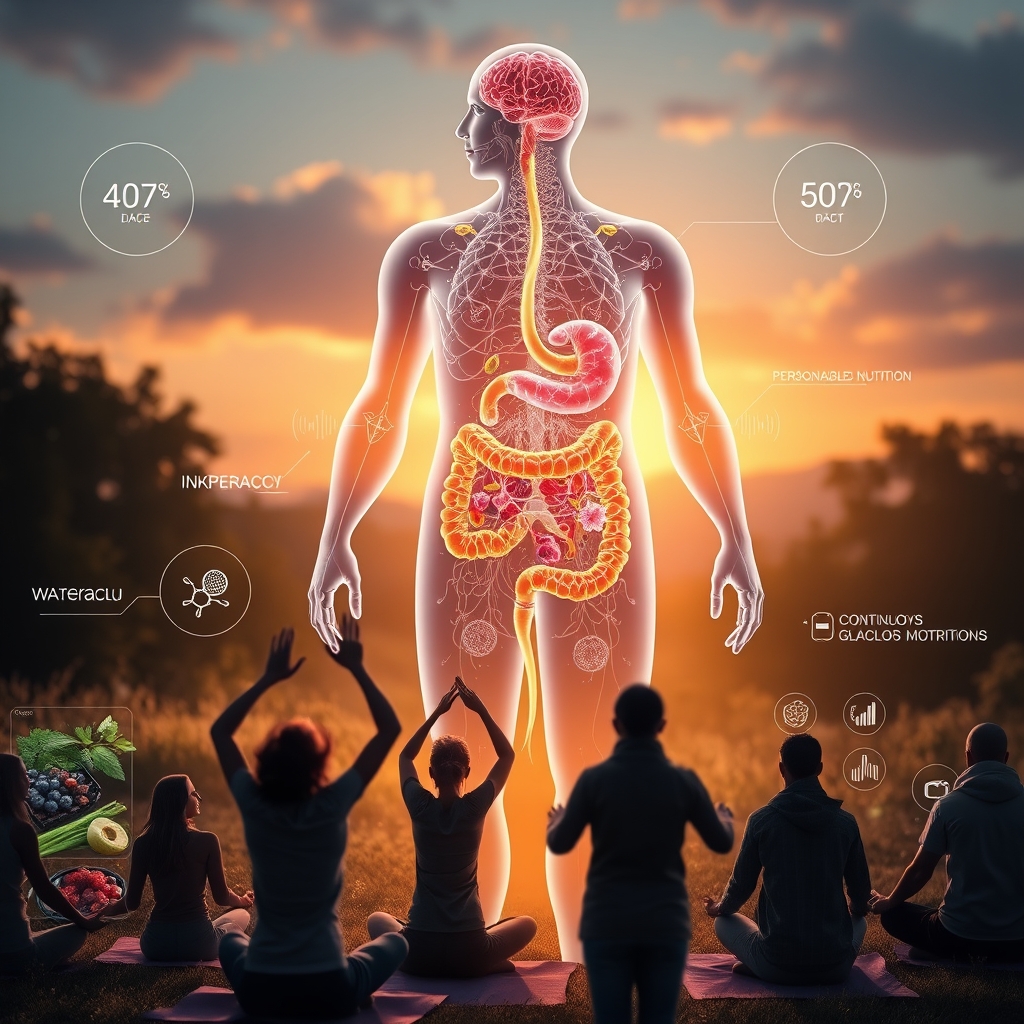
For decades, mental health has been viewed through the lens of psychology and neurology, with treatments often focusing on therapy, medication, or cognitive exercises. Yet, emerging research is revealing a profound and often overlooked player in the mental health equation: the gut microbiome. This vast ecosystem of trillions of microorganisms residing in our digestive tract doesn’t just influence digestion—it communicates directly with the brain, shaping mood, cognition, and even resilience to stress. The discovery of this gut-brain axis has opened a new frontier in mental health, one where personalized nutrition and somatic exercise are becoming powerful tools for rewiring emotional well-being from the inside out.
The Gut-Brain Axis: A Two-Way Conversation
The gut and brain are connected by a complex network of nerves, hormones, and biochemical signals, with the vagus nerve acting as a superhighway for communication. This bidirectional relationship means that the state of your gut can influence your mental state, and vice versa. For example, chronic stress can disrupt the balance of gut bacteria, leading to inflammation and digestive issues, while an imbalanced microbiome can exacerbate anxiety and depression. Studies have shown that individuals with mental health disorders often exhibit distinct microbial profiles compared to those without, suggesting that the gut may hold the key to understanding—and treating—conditions like depression, anxiety, and even PTSD.
One of the most compelling pieces of evidence for this connection comes from research on probiotics, often referred to as “psychobiotics.” These beneficial bacteria have been shown to reduce symptoms of depression and anxiety in clinical trials, likely by modulating inflammation, producing neurotransmitters like serotonin and GABA, and strengthening the gut barrier. But the gut-brain axis isn’t just about bacteria—it’s also about the food we eat. Diets rich in processed foods, sugar, and unhealthy fats can promote the growth of harmful microbes, while whole, fiber-rich foods nourish a diverse and resilient microbiome. This is where personalized nutrition steps in, offering a tailored approach to mental health that goes beyond generic dietary advice.
Personalized Nutrition: Feeding the Mind Through the Gut
Not all guts are created equal. Genetic variations, lifestyle factors, and even early-life experiences can shape the composition of an individual’s microbiome, meaning that what works for one person’s mental health may not work for another. Personalized nutrition leverages data from stool tests, blood panels, and wearable health technology to create dietary plans that optimize gut health—and, by extension, mental well-being. For instance, someone with a microbiome low in butyrate-producing bacteria (which play a key role in reducing inflammation) might benefit from a diet rich in resistant starches, like cooked and cooled potatoes or green bananas. Meanwhile, another person with a different microbial profile might thrive on a Mediterranean-style diet, abundant in polyphenol-rich foods like olive oil, berries, and dark leafy greens.
Wearable health technology is also playing a crucial role in this personalized approach. Continuous glucose monitors (CGMs), for example, can reveal how different foods affect blood sugar levels, which in turn can impact mood and energy. Spikes and crashes in glucose are linked to irritability, fatigue, and even symptoms of anxiety, so stabilizing blood sugar through diet can have a profound effect on mental health. By combining microbiome testing with real-time data from wearables, individuals can fine-tune their nutrition to support not just physical health, but emotional resilience as well.
The Role of Somatic Exercise in Gut-Brain Harmony
While nutrition lays the foundation for a healthy gut-brain axis, somatic exercise offers a dynamic way to enhance this connection. Somatic practices, which emphasize mindful movement and body awareness, have been shown to reduce stress, lower cortisol levels, and improve gut motility—all of which contribute to a healthier microbiome. Unlike high-intensity workouts, which can sometimes exacerbate stress and inflammation, somatic exercises like yoga, tai chi, and qigong promote relaxation and parasympathetic nervous system activation. This “rest and digest” state is essential for gut health, as it allows the body to properly absorb nutrients and maintain a balanced microbial environment.
Research has also highlighted the role of somatic exercise in modulating the gut-brain axis through the release of endorphins and other neurochemicals. These compounds not only improve mood but also have anti-inflammatory effects, which can help protect the gut lining and support microbial diversity. Additionally, practices like deep breathing and progressive muscle relaxation can directly stimulate the vagus nerve, strengthening the communication between the gut and brain. For individuals struggling with mental health challenges, incorporating somatic exercise into their routine can be a game-changer, offering a holistic way to rewire both the body and mind.
Functional Medicine and the Future of Mental Health
The integration of personalized nutrition and somatic exercise into mental health care is a hallmark of functional medicine, an approach that seeks to address the root causes of illness rather than just treating symptoms. Functional medicine practitioners often use advanced testing—such as comprehensive stool analyses, organic acid tests, and neurotransmitter panels—to identify imbalances in the gut-brain axis. From there, they develop personalized protocols that may include dietary changes, targeted supplements, and lifestyle interventions like somatic exercise. This approach is particularly promising for individuals who haven’t found relief through traditional mental health treatments, as it offers a new pathway to healing.
One of the most exciting developments in this field is the use of digital therapeutics to support gut-brain health. Apps that track mood, sleep, and dietary habits can provide real-time feedback, helping individuals make informed decisions about their mental health. Some platforms even use artificial intelligence to analyze microbiome data and suggest personalized interventions, such as specific probiotics or dietary adjustments. As technology continues to advance, the possibilities for integrating gut health into mental health care are virtually limitless.
Building a Resilient Mind Through the Gut
The gut-brain axis is a reminder that mental health is not just a matter of the mind—it’s a whole-body endeavor. By nourishing the gut with personalized nutrition and supporting it with somatic exercise, we can create a foundation for emotional resilience that goes beyond traditional treatments. This approach doesn’t just address symptoms; it transforms the underlying biology of the brain, offering hope for those who have struggled to find relief through conventional methods. As we continue to unravel the complexities of the gut-brain connection, one thing is clear: the future of mental health lies in the intricate dance between our microbes, our movements, and our meals. The journey to a healthier mind begins in the gut, and the tools to get there are already within our reach.