
The Art of Adaptive Healing: How Personalized Patient Care and Real-Time Analytics Are Crafting Bespoke Wellness Journeys
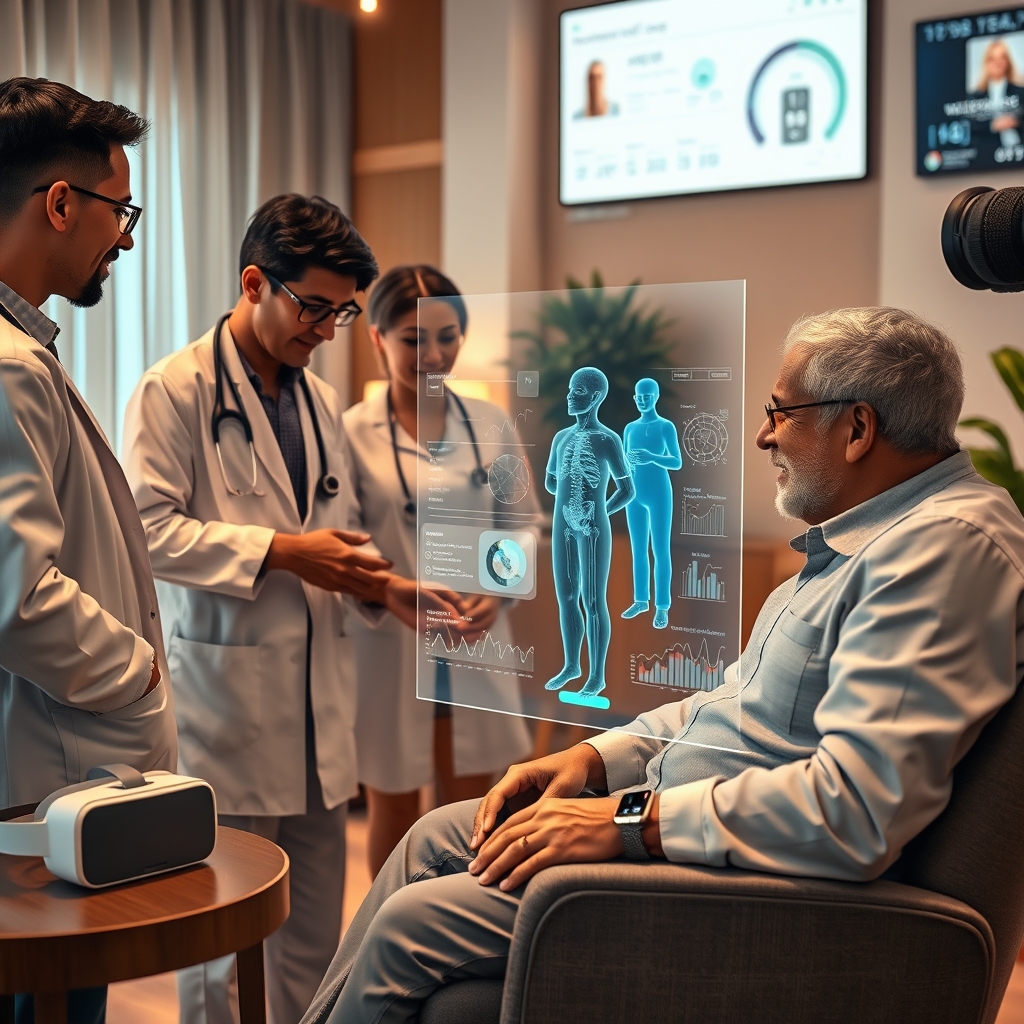
In an era where healthcare is rapidly evolving, the shift toward personalized patient care has become more than a trend—it’s a necessity. The days of one-size-fits-all treatment plans are fading, replaced by dynamic, adaptive recovery strategies that respond to the unique needs of each individual. At the heart of this transformation lies a powerful combination of real-time health analytics, integrated therapeutic approaches, and a deep commitment to human-centric healthcare delivery. Together, these elements are redefining what it means to heal, ensuring that every patient’s journey is as unique as their fingerprint.
The Power of Personalization in Modern Healthcare
Personalization in healthcare isn’t just about tailoring treatments to a patient’s medical history; it’s about understanding their lifestyle, preferences, and even their emotional state. Patient-centric wellness plans are designed to go beyond the clinical, incorporating elements that resonate with the individual’s daily life. For instance, a diabetic patient might receive a bespoke recovery journey that includes not only medication management but also nutritional guidance, stress-reduction techniques, and even fitness routines that align with their personal goals. This holistic approach ensures that care is not just effective but also sustainable, fostering long-term well-being rather than short-term fixes.
The rise of digital health monitoring has been a game-changer in this regard. Wearable devices, mobile apps, and remote monitoring tools provide a continuous stream of data, allowing healthcare providers to track a patient’s progress in real time. This data isn’t just numbers on a screen—it’s a window into the patient’s world, offering insights that were previously inaccessible. For example, a smartwatch might detect irregular heart rhythms, prompting an immediate intervention that could prevent a more serious issue down the line. By leveraging real-time health analytics, clinicians can make data-driven clinical decisions that are both timely and precise, ensuring that treatment adjustments are made before minor issues escalate into major concerns.
Bridging the Gap Between Technology and Compassion
While technology plays a pivotal role in modern healthcare, it’s the human touch that truly brings personalized patient care to life. Collaborative care models emphasize the importance of teamwork, bringing together physicians, nurses, therapists, and even family members to create a support system tailored to the patient’s needs. This approach is particularly effective in managing chronic conditions, where ongoing communication and coordination are essential. For instance, a patient with heart disease might work with a cardiologist, a nutritionist, and a mental health professional, all of whom collaborate to ensure that every aspect of their care is aligned and cohesive.
Integrated therapeutic approaches take this collaboration a step further by blending traditional medical treatments with alternative therapies. A cancer patient, for example, might receive chemotherapy alongside acupuncture, meditation, or art therapy, all designed to address not just the physical symptoms but also the emotional and psychological toll of the disease. This holistic integration ensures that patients receive care that is not only effective but also nurturing, addressing the whole person rather than just the illness.
The use of technology-assisted therapy has also opened new avenues for treatment. Virtual reality (VR) is being used to help patients manage pain, anxiety, and even PTSD by immersing them in calming environments or guided therapeutic exercises. Similarly, telemedicine platforms allow patients to consult with their healthcare providers from the comfort of their homes, reducing barriers to access and ensuring that care is always within reach. These innovations are not just about convenience—they’re about creating a healthcare experience that is responsive, flexible, and deeply attuned to the patient’s needs.
The Role of Evidence-Based Pathways in Shaping Care
At the core of personalized patient care is the principle of evidence-based treatment pathways. These pathways are built on a foundation of scientific research and clinical expertise, ensuring that every decision is grounded in data and proven outcomes. However, what sets modern pathways apart is their adaptability. Unlike rigid protocols of the past, today’s evidence-based treatment pathways are designed to evolve alongside the patient’s progress. If a treatment isn’t working, the pathway can be adjusted in real time, incorporating new data and insights to guide the next steps.
This flexibility is particularly valuable in managing complex conditions like diabetes or mental health disorders, where symptoms and responses to treatment can vary widely from one individual to another. By combining real-time health analytics with adaptive recovery strategies, healthcare providers can create a dynamic feedback loop, where data informs treatment, and treatment generates new data. This continuous cycle of assessment and adjustment ensures that care remains relevant, effective, and aligned with the patient’s evolving needs.
Seamless Coordination: The Backbone of Patient-Centric Care
One of the biggest challenges in healthcare has always been coordination. Patients often find themselves navigating a fragmented system, where information is siloed, and communication between providers is inconsistent. Seamless care coordination aims to change that by creating a unified experience where every member of the care team is on the same page. Electronic health records (EHRs), shared care plans, and integrated communication platforms ensure that no detail is overlooked, and no patient falls through the cracks.
This level of coordination is especially critical in collaborative care models, where multiple specialists are involved in a patient’s treatment. For example, a patient undergoing surgery might work with a surgeon, an anesthesiologist, a physical therapist, and a primary care physician, all of whom need to be aligned in their approach. By leveraging technology to facilitate communication and data sharing, healthcare providers can ensure that every decision is informed, every treatment is coordinated, and every patient receives the care they deserve.
The Future of Healing: Where Data Meets Humanity
As healthcare continues to evolve, the integration of real-time health analytics and personalized patient care will only deepen. The future lies in systems that are not only intelligent but also empathetic, where data is used not just to diagnose and treat but to understand and connect. Imagine a world where your healthcare provider knows not just your medical history but also your preferences, your fears, and your goals. Where treatment plans are not just effective but also empowering, giving you the tools and confidence to take control of your own health.
This vision is already becoming a reality, thanks to advancements in digital health monitoring, technology-assisted therapy, and collaborative care models. But the true magic happens when these tools are combined with a deep commitment to human-centric healthcare delivery. It’s not enough to have the best technology or the most advanced analytics—what matters is how these tools are used to enhance the human experience of healing. Whether it’s through a compassionate conversation, a personalized treatment plan, or a seamless care journey, the goal remains the same: to create a healthcare system that is as unique as the individuals it serves.
The journey toward patient-centric wellness is not without its challenges, but the rewards are profound. By embracing adaptive recovery strategies, integrated therapeutic approaches, and real-time health analytics, we are not just improving outcomes—we are redefining what it means to heal. In this new era of healthcare, every patient’s journey is a masterpiece, crafted with precision, compassion, and an unwavering commitment to their well-being. The tools and technologies may change, but the heart of healing remains the same: a deep, abiding respect for the individual and their unique path to wellness.