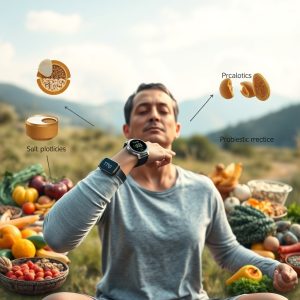
The Silent Revolution: How Continuous Glucose Monitoring and Functional Medicine Are Redefining Personalized Nutrition for Metabolic Fitness
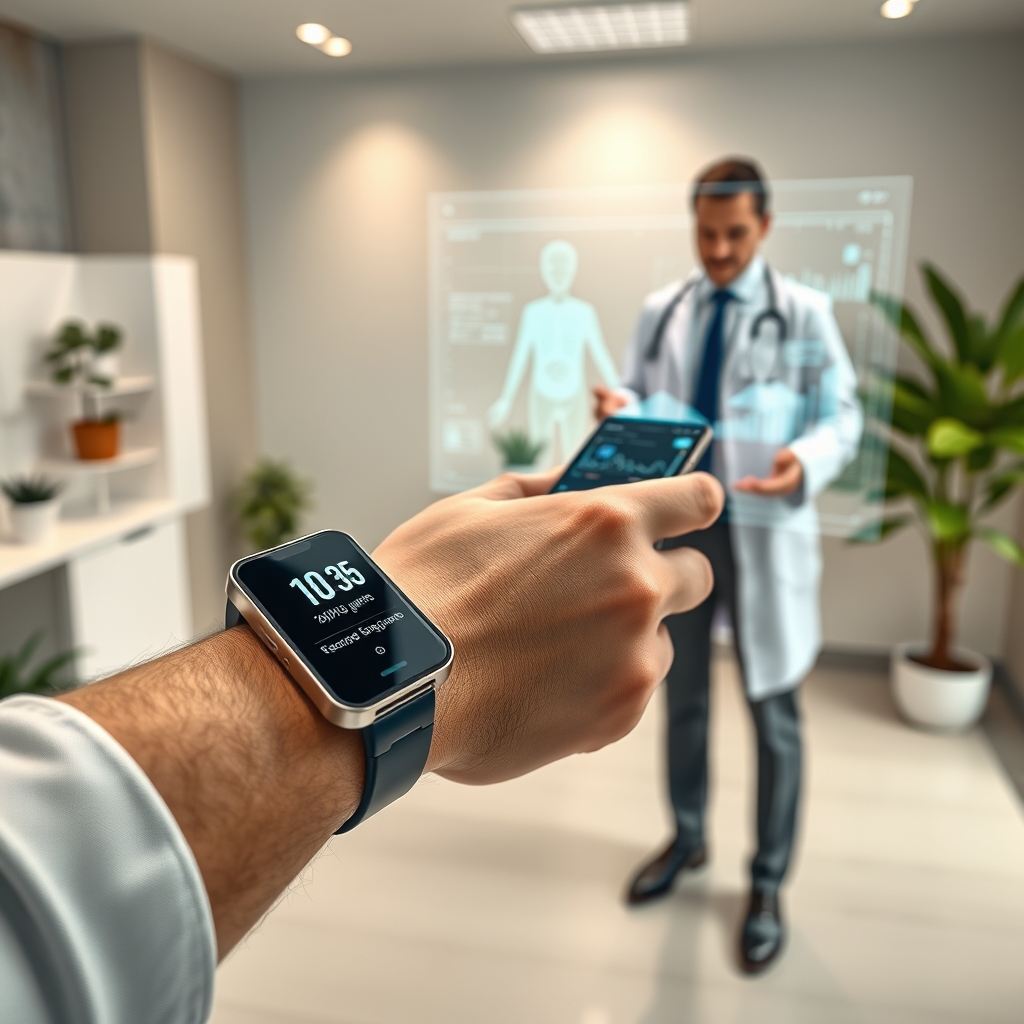
In an era where health data is more accessible than ever, the fusion of continuous glucose monitoring (CGM) and functional medicine is quietly revolutionizing how we approach metabolic fitness. No longer confined to diabetics, CGMs are now empowering individuals to decode their unique metabolic responses to food, stress, and lifestyle choices in real time. When paired with the principles of functional medicine—which emphasizes root-cause analysis and personalized interventions—this technology is unlocking a new frontier in preventive healthcare.
The Metabolic Puzzle: Why One-Size-Fits-All Diets Fail
For decades, nutrition advice has been dominated by generalized guidelines: eat fewer carbs, consume more protein, or follow a Mediterranean diet. Yet, these recommendations often overlook the profound variability in how individuals metabolize food. A study published in Cell revealed that identical meals can trigger drastically different glucose responses in different people, influenced by factors like gut microbiome composition, sleep quality, and even stress levels. This metabolic diversity explains why some thrive on low-fat diets while others flourish on high-fat regimens.
Enter continuous glucose monitoring. These small, wearable devices provide a live feed of blood sugar fluctuations, offering immediate feedback on how the body responds to meals, exercise, and sleep. For the first time, individuals can observe in real time how a slice of pizza sends their glucose soaring while a seemingly healthy smoothie leaves it stable. This granular data is a game-changer for functional medicine practitioners, who use it to tailor nutrition plans that align with an individual’s unique biology rather than broad dietary trends.
Functional Medicine: The Missing Link in Personalized Nutrition
Functional medicine takes a systems-based approach to health, viewing the body as an interconnected network rather than a collection of isolated symptoms. Unlike conventional medicine, which often treats metabolic dysfunction with medications, functional medicine seeks to identify and address the underlying imbalances—such as inflammation, gut dysbiosis, or hormonal irregularities—that drive poor metabolic health.
When combined with CGM data, functional medicine practitioners can pinpoint specific triggers for metabolic dysfunction. For example, a patient with persistent glucose spikes might discover that their gut microbiome lacks diversity, leading to poor carbohydrate metabolism. Or, they might find that chronic stress—measured through cortisol levels—is sabotaging their insulin sensitivity. Armed with this insight, interventions can be highly targeted: probiotics to restore gut balance, adaptogens to regulate cortisol, or time-restricted eating to improve metabolic flexibility.
The Role of Wearable Tech in Closing the Feedback Loop
Wearable health technology, from CGMs to smartwatches tracking heart rate variability, is bridging the gap between data and actionable insights. These devices don’t just passively collect information; they create a feedback loop that empowers individuals to make informed decisions about their health. For instance, a CGM might reveal that a late-night snack disrupts glucose stability, prompting a shift in eating habits. Similarly, a smartwatch detecting poor sleep quality could signal the need for better sleep hygiene practices to support metabolic health.
This real-time feedback is particularly valuable for those navigating metabolic conditions like prediabetes or insulin resistance. Instead of waiting for quarterly blood tests to assess progress, individuals can adjust their diet, exercise, and stress management strategies on the fly, accelerating their path to metabolic fitness.
Beyond Blood Sugar: The Ripple Effects of Metabolic Fitness
Metabolic fitness isn’t just about stabilizing blood sugar—it’s a cornerstone of overall health. Poor metabolic health is linked to a cascade of issues, from cognitive decline and chronic inflammation to weakened immune resilience. By optimizing glucose metabolism, individuals often experience improvements in energy levels, mental clarity, and even mood stability. This is where the synergy between CGMs and functional medicine becomes even more powerful.
For example, research suggests that metabolic dysfunction can impair cognitive function by reducing blood flow to the brain and increasing oxidative stress. By using CGM data to fine-tune nutrition and lifestyle, individuals can support brain health while simultaneously reducing their risk of neurodegenerative diseases. Similarly, metabolic fitness plays a critical role in immune resilience, as chronic inflammation—often driven by poor glucose control—can weaken the body’s defenses against infections and autoimmune conditions.
The Future of Preventive Healthcare: A Proactive Approach
The integration of CGMs and functional medicine represents a shift from reactive to proactive healthcare. Instead of waiting for symptoms to manifest, individuals can now take preemptive action to optimize their health. This paradigm shift is particularly relevant in an age where chronic diseases like diabetes and heart disease are on the rise, often driven by lifestyle factors that go unaddressed until it’s too late.
Moreover, this approach democratizes health optimization. No longer reserved for elite athletes or the ultra-wealthy, CGMs and functional medicine are becoming more accessible, allowing everyday individuals to take control of their metabolic health. As the technology evolves, we can expect even more sophisticated tools—such as AI-driven nutrition coaches or microbiome testing—to further personalize the journey toward metabolic fitness.
As we stand on the brink of this silent revolution, one thing is clear: the future of health lies not in generic advice or quick fixes, but in the precise, personalized insights that emerge when technology and functional medicine converge. The power to rewrite our metabolic destiny is no longer a distant dream—it’s a data point away, waiting to be unlocked by those willing to listen to their bodies in real time.