Nanomedicine and Smart Drug Delivery: The Precision Revolution in Targeted Cancer Therapy
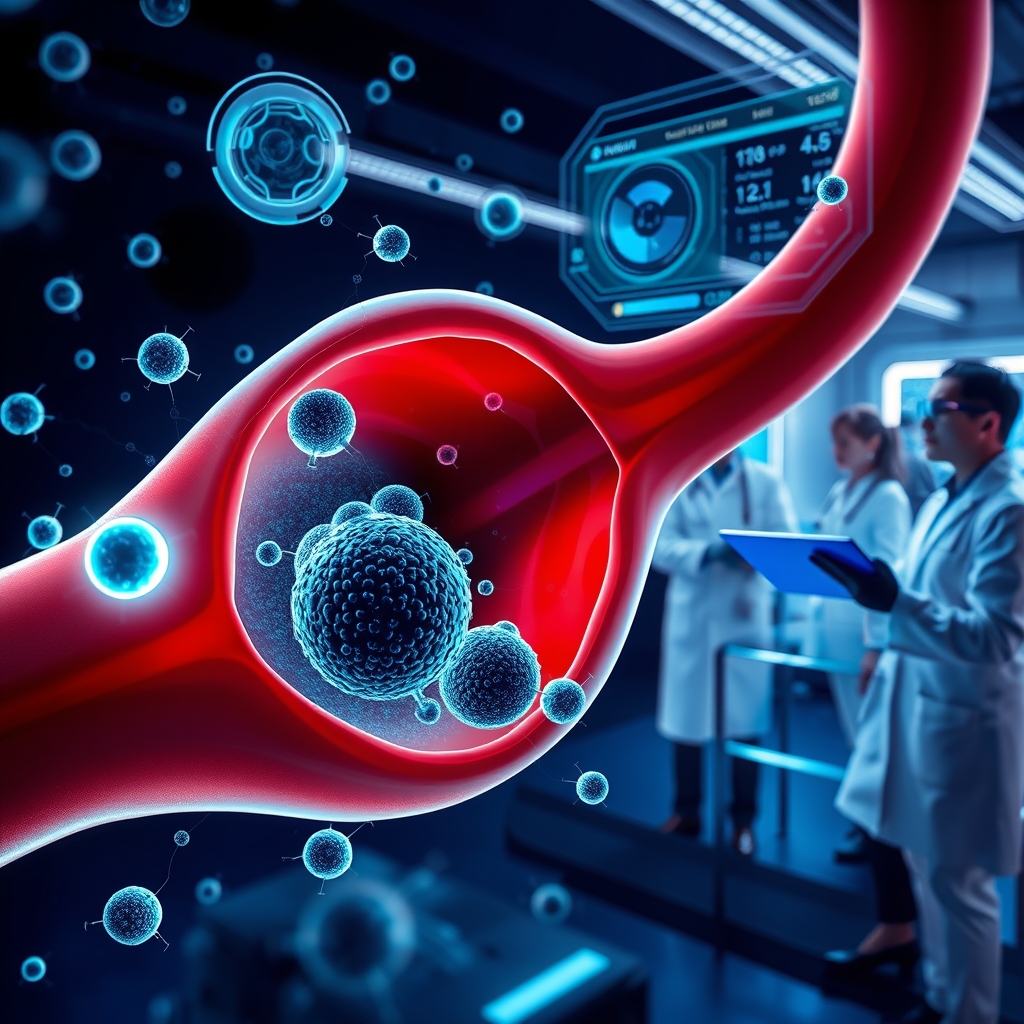
In the ever-evolving landscape of modern medicine, few advancements hold as much promise as the fusion of nanotechnology with targeted drug delivery systems. This synergy is not just enhancing the efficacy of treatments but is fundamentally transforming how we approach some of the most challenging diseases, particularly cancer. By leveraging the unique properties of nanoparticles, researchers and clinicians are now able to deliver therapeutic agents with unprecedented precision, minimizing side effects and maximizing outcomes for patients.
The Nanoscale Advantage
Nanomedicine operates at the scale of billionths of a meter, where materials exhibit distinct physical and chemical properties. These properties enable nanoparticles to interact with biological systems in ways that traditional drugs cannot. For instance, nanoparticles can be engineered to evade the body’s immune response, allowing them to circulate longer in the bloodstream and accumulate more effectively at tumor sites. This phenomenon, known as the enhanced permeability and retention (EPR) effect, is a cornerstone of nanomedicine’s potential in cancer therapy.
Gold nanoparticles, for example, have shown remarkable promise due to their biocompatibility and ability to be functionalized with targeting ligands. These ligands can bind specifically to receptors overexpressed on cancer cells, ensuring that the therapeutic payload is delivered directly to the diseased tissue. Similarly, lipid-based nanoparticles, such as liposomes, can encapsulate chemotherapeutic agents, protecting healthy cells from exposure while releasing the drug precisely where it is needed.
Smart Drug Delivery: Beyond Passive Targeting
While passive targeting via the EPR effect has been a significant step forward, the next frontier in nanomedicine lies in smart drug delivery systems. These systems are designed to respond to specific stimuli within the tumor microenvironment, such as pH changes, enzymatic activity, or temperature variations. For example, pH-sensitive nanoparticles can remain stable in the neutral pH of the bloodstream but release their payload in the acidic environment of a tumor. This level of control ensures that drugs are activated only in the presence of cancer cells, further reducing off-target effects.
Another exciting development is the use of magnetic nanoparticles, which can be guided to the tumor site using external magnetic fields. Once in place, these nanoparticles can be heated to induce localized hyperthermia, killing cancer cells while sparing surrounding healthy tissue. This approach, known as magnetic hyperthermia, is being explored as both a standalone therapy and in combination with chemotherapy or radiotherapy to enhance their effectiveness.
The Role of Artificial Intelligence in Nanomedicine
The integration of artificial intelligence (AI) into nanomedicine is accelerating the design and optimization of smart drug delivery systems. AI algorithms can analyze vast datasets to identify patterns and predict how nanoparticles will behave in different biological environments. This capability is invaluable for tailoring nanoparticles to specific cancer types or even individual patients, moving us closer to the goal of truly personalized medicine.
For instance, machine learning models can simulate the interactions between nanoparticles and cellular membranes, helping researchers optimize the size, shape, and surface chemistry of nanoparticles for maximum efficacy. AI can also assist in identifying novel biomarkers that can be targeted by nanoparticles, opening up new avenues for treatment. By leveraging AI, the development cycle for nanomedicine-based therapies can be significantly shortened, bringing innovative treatments to patients faster than ever before.
Overcoming Challenges: From Lab to Clinic
Despite the immense potential of nanomedicine, several challenges must be addressed before these technologies can be widely adopted in clinical settings. One of the primary hurdles is the scalability of nanoparticle production. While lab-scale synthesis of nanoparticles is well-established, producing them at the scale required for clinical use remains a significant challenge. Ensuring batch-to-batch consistency and maintaining the stability of nanoparticles during storage and transport are also critical concerns.
Another challenge is the potential for long-term toxicity. While nanoparticles are designed to be biocompatible, their long-term effects on the body are not yet fully understood. Rigorous preclinical and clinical testing is essential to ensure that these therapies are both safe and effective. Regulatory agencies, such as the FDA and EMA, are actively working to establish guidelines for the evaluation of nanomedicine-based therapies, which will be crucial for their successful translation from bench to bedside.
The Future of Nanomedicine in Cancer Therapy
The future of nanomedicine in cancer therapy is bright, with several promising avenues of research on the horizon. One such avenue is the development of theranostic nanoparticles, which combine therapeutic and diagnostic capabilities. These nanoparticles can deliver drugs to the tumor site while simultaneously enabling real-time imaging, allowing clinicians to monitor the progress of treatment and make adjustments as needed. This approach not only enhances the precision of therapy but also provides valuable insights into the biology of the tumor and its response to treatment.
Another exciting development is the use of nanorobots, which are designed to navigate the bloodstream and deliver drugs directly to cancer cells. While still in the early stages of research, nanorobots represent a paradigm shift in drug delivery, offering the potential for even greater precision and control. As these technologies mature, they could revolutionize the way we treat cancer, making therapies more effective, less toxic, and ultimately more accessible to patients worldwide.
As we stand on the cusp of a new era in medicine, the fusion of nanotechnology with smart drug delivery systems is poised to redefine the boundaries of what is possible in cancer therapy. By harnessing the power of precision, we are not only improving the lives of patients today but also laying the foundation for a future where cancer is no longer a life-threatening diagnosis, but a manageable condition. The journey is far from over, but with each breakthrough, we move one step closer to turning this vision into reality.