The Intersection of Clinical Informatics and Precision Medicine: How Data-Driven Insights Are Shaping the Future of Healthcare
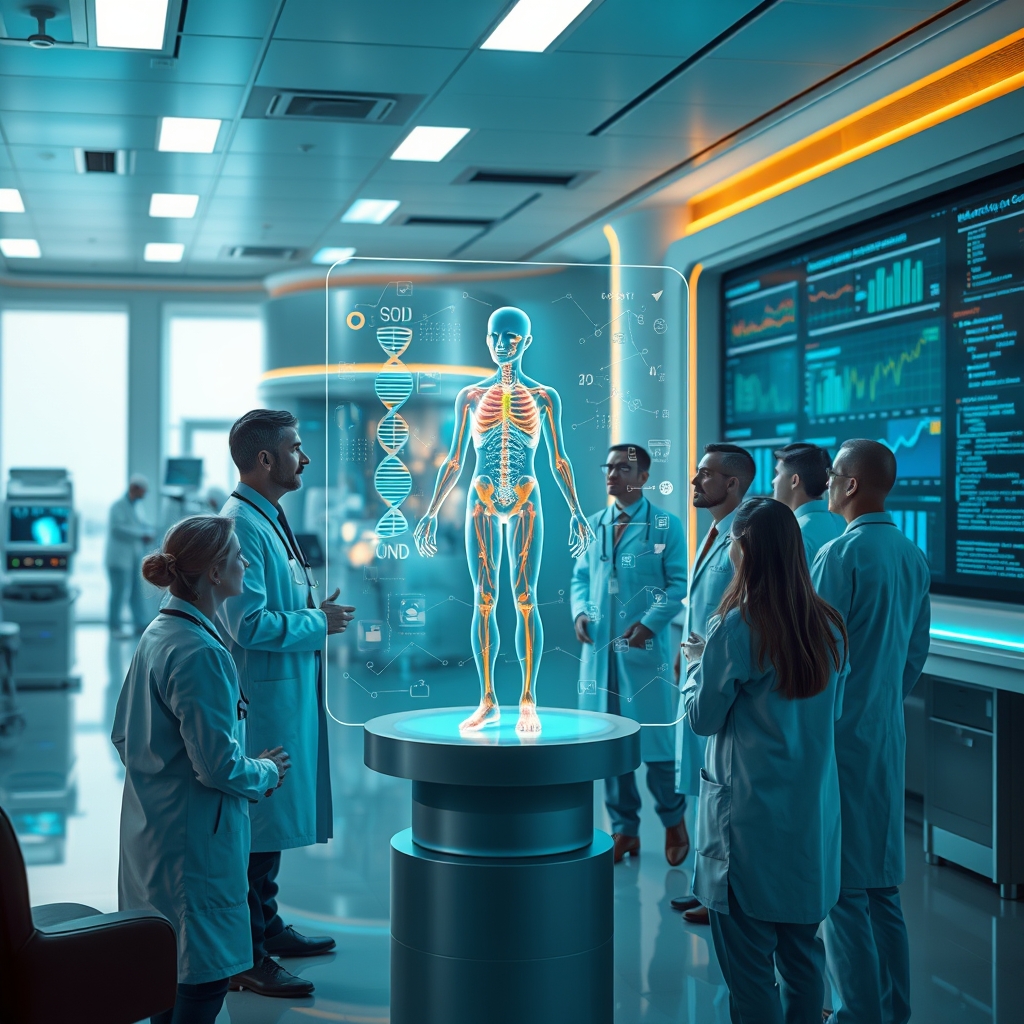
The rapid evolution of healthcare is being driven by an unprecedented convergence of technology and medicine. At the heart of this transformation lies clinical informatics—a discipline that harnesses the power of data to enhance patient care, streamline workflows, and enable more precise medical interventions. When combined with the principles of precision medicine, clinical informatics is not just improving outcomes but fundamentally redefining how we approach health and disease. This synergy is unlocking new possibilities, from early disease detection to highly individualized treatment plans, and it’s doing so at a pace that was unimaginable just a decade ago.
The Foundation of Clinical Informatics
Clinical informatics is the science of using data, information, and knowledge to improve human health and healthcare delivery. It encompasses everything from electronic health records (EHRs) and clinical decision support systems to advanced analytics and artificial intelligence (AI). The goal is to turn vast amounts of raw data into actionable insights that can guide clinical decisions, optimize resource allocation, and ultimately, save lives. For instance, EHRs have become the backbone of modern healthcare, providing a centralized repository of patient information that can be accessed and analyzed in real time. However, the true power of clinical informatics lies in its ability to go beyond mere data storage and retrieval.
By integrating AI and machine learning (ML) algorithms, clinical informatics systems can identify patterns and correlations in data that might otherwise go unnoticed. For example, predictive analytics can flag patients at high risk of developing chronic conditions like diabetes or heart disease, allowing clinicians to intervene early with preventive measures. Similarly, natural language processing (NLP) can extract valuable insights from unstructured data, such as physician notes or patient narratives, to provide a more holistic view of a patient’s health. These capabilities are not just enhancing efficiency; they are enabling a shift from reactive to proactive healthcare.
Precision Medicine: The Personalized Approach
Precision medicine takes the concept of personalized care to the next level by tailoring medical treatment to the individual characteristics of each patient. Unlike traditional one-size-fits-all approaches, precision medicine considers a patient’s genetic makeup, lifestyle, environment, and even microbiome to design interventions that are uniquely suited to them. This approach is particularly transformative in fields like oncology, where targeted cancer therapies are being developed to attack specific genetic mutations driving tumor growth. The result is treatments that are not only more effective but also less toxic, sparing patients from the debilitating side effects of conventional therapies.
However, the success of precision medicine hinges on the availability of high-quality, comprehensive data. This is where clinical informatics comes into play. By aggregating and analyzing data from diverse sources—such as genomic sequencing, wearable devices, and environmental sensors—clinical informatics provides the infrastructure needed to support precision medicine initiatives. For example, AI-driven platforms can analyze a patient’s genetic profile alongside their clinical history to recommend the most effective treatment options. Similarly, real-time monitoring of biomarkers can help clinicians adjust therapies on the fly, ensuring optimal outcomes.
The Role of AI in Bridging the Gap
Artificial intelligence is the linchpin that connects clinical informatics with precision medicine. AI algorithms excel at processing large datasets quickly and accurately, making them ideal for tasks like identifying disease biomarkers, predicting treatment responses, and even discovering new drug targets. In the context of precision medicine, AI can analyze complex datasets to uncover subtle patterns that might indicate a patient’s likelihood of responding to a particular therapy. For instance, AI models trained on genomic and clinical data can predict which cancer patients are most likely to benefit from immunotherapy, sparing others from unnecessary treatments and their associated risks.
Beyond diagnostics and treatment planning, AI is also revolutionizing drug development. By simulating how potential drugs interact with biological targets, AI can accelerate the discovery of new therapies and reduce the time and cost associated with bringing them to market. This is particularly impactful in the field of rare diseases, where traditional drug development pipelines are often too slow and expensive to be viable. AI-driven drug discovery is not only speeding up the process but also increasing the likelihood of success by identifying promising candidates with greater precision.
Challenges and Ethical Considerations
While the integration of clinical informatics and precision medicine holds immense promise, it also presents significant challenges. One of the most pressing issues is data privacy and security. As healthcare systems collect and store increasingly sensitive information, they become prime targets for cyberattacks. Ensuring the confidentiality and integrity of patient data is paramount, and it requires robust cybersecurity measures, as well as clear policies governing data access and usage.
Another challenge is the digital divide. While AI and data-driven healthcare have the potential to revolutionize medicine, their benefits are not equally accessible to all. Disparities in access to technology, healthcare infrastructure, and even basic digital literacy can exacerbate existing inequalities in health outcomes. Addressing these disparities will require concerted efforts to ensure that the advantages of clinical informatics and precision medicine are available to everyone, regardless of their socioeconomic status or geographic location.
Ethical considerations also come into play, particularly when it comes to the use of AI in clinical decision-making. While AI can provide valuable insights, it is not infallible, and its recommendations must be carefully validated by human experts. Additionally, there is the risk of algorithmic bias, where AI models trained on non-representative datasets may produce skewed or unfair outcomes. To mitigate these risks, it is essential to prioritize transparency, accountability, and ongoing validation in the development and deployment of AI-driven healthcare tools.
The Future of Healthcare: A Data-Driven Ecosystem
The fusion of clinical informatics and precision medicine is creating a healthcare ecosystem that is more dynamic, responsive, and patient-centered than ever before. As these fields continue to evolve, we can expect to see even greater integration of data-driven technologies into everyday clinical practice. For example, wearable devices and mobile health apps are already enabling continuous monitoring of patients outside traditional healthcare settings, providing clinicians with real-time data that can inform treatment decisions. In the future, these technologies could be combined with AI-driven analytics to create fully personalized health management systems that adapt to a patient’s changing needs over time.
Another exciting development is the rise of decentralized clinical trials, which leverage digital tools to make research more inclusive and efficient. By allowing patients to participate in trials from their homes, decentralized trials can accelerate the pace of medical research while reducing costs and improving access for underrepresented populations. This approach aligns perfectly with the goals of precision medicine, as it enables the collection of more diverse and representative data, leading to treatments that are effective for a broader range of patients.
The journey toward a fully data-driven healthcare system is still in its early stages, but the progress made so far is nothing short of remarkable. As clinical informatics and precision medicine continue to advance, they are not just transforming how we treat disease—they are redefining what it means to be healthy. By harnessing the power of data, we are moving closer to a future where healthcare is not just reactive but predictive, not just generalized but deeply personalized, and not just about treating illness but about optimizing well-being. In this new era, the possibilities are as vast as the data itself, and the potential to improve lives is limitless.