
The Gut-Brain-Cortisol Nexus: How Wearable Tech, Gut Health, and Sleep Hygiene Are Redefining Mental Health and Stress Resilience
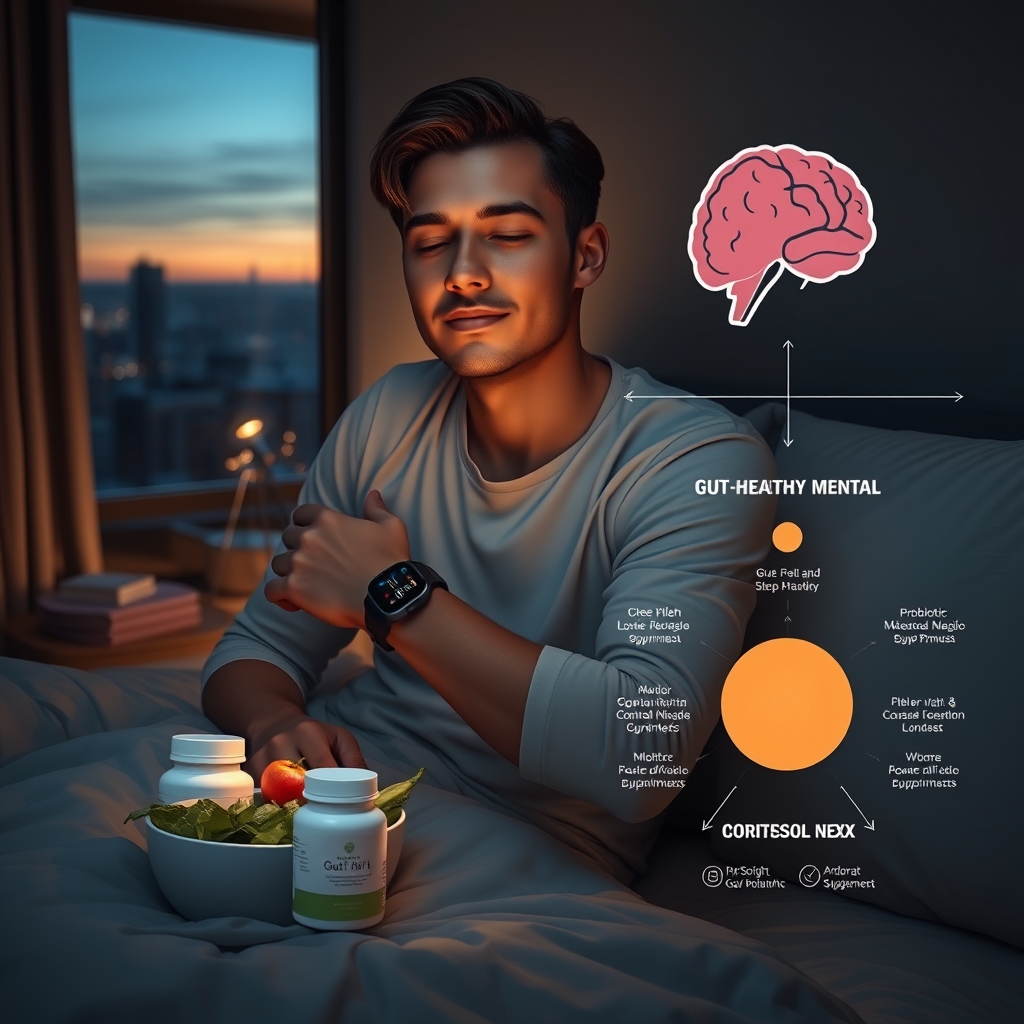
In the modern world, the interplay between our gut, brain, and stress hormones is more crucial than ever. The gut-brain-cortisol nexus, a complex network of interactions, plays a significant role in our mental health and stress resilience. Recent advancements in wearable health technology, gut microbiome research, and sleep hygiene have provided us with powerful tools to understand and optimize this nexus.
The Gut-Brain-Cortisol Nexus
The gut-brain-cortisol nexus is a fascinating area of study that explores the bidirectional communication between our gut and brain, mediated by cortisol, our primary stress hormone. The gut microbiome, the trillions of bacteria living in our digestive system, plays a pivotal role in this nexus. It influences our mental health, stress response, and even our behavior.
The Gut-Brain Axis
The gut-brain axis is a bidirectional communication system that connects the gut microbiome to the brain. The gut microbiome produces neurotransmitters, such as serotonin and gamma-aminobutyric acid (GABA), which influence our mood and anxiety levels. Additionally, the gut microbiome can affect the production of cortisol, our primary stress hormone. A healthy gut microbiome can help regulate cortisol levels, promoting stress resilience and mental health.
The Cortisol Connection
Cortisol, often referred to as the stress hormone, is produced by the adrenal glands in response to stress. It plays a crucial role in our body’s response to stress, but chronic high levels of cortisol can lead to mental health issues, such as anxiety and depression. The gut microbiome can influence cortisol levels by affecting the production of short-chain fatty acids (SCFAs), which have been shown to reduce cortisol production.
Wearable Health Technology
Wearable health technology has revolutionized the way we monitor and understand our health. From fitness trackers to advanced biosensors, these devices provide valuable insights into our physical and mental well-being. In the context of the gut-brain-cortisol nexus, wearable tech can help us monitor stress levels, sleep quality, and even gut health.
Monitoring Stress and Cortisol Levels
Wearable devices, such as smartwatches and biosensors, can monitor our stress levels and cortisol production. These devices use advanced algorithms to analyze data from various sensors, providing real-time insights into our stress response. By understanding our stress patterns, we can implement strategies to reduce stress and optimize our gut-brain-cortisol nexus.
Tracking Sleep Hygiene
Sleep hygiene is a critical component of the gut-brain-cortisol nexus. Poor sleep quality can negatively impact our mental health and stress response. Wearable tech, such as sleep trackers and smartwatches, can help us monitor our sleep patterns, providing valuable insights into our sleep hygiene. By optimizing our sleep, we can improve our gut health, mental health, and stress resilience.
Gut Health and the Microbiome
The gut microbiome is a complex ecosystem of bacteria, viruses, and fungi that play a crucial role in our overall health. A healthy gut microbiome can improve our mental health, stress response, and even our immune system. Recent research has shown that the gut microbiome can influence the production of cortisol, our primary stress hormone.
The Role of the Gut Microbiome in Cortisol Regulation
The gut microbiome can influence cortisol levels by affecting the production of short-chain fatty acids (SCFAs). SCFAs are produced by the fermentation of dietary fiber by gut bacteria. They have been shown to reduce cortisol production, promoting stress resilience and mental health. By optimizing our gut health, we can improve our cortisol regulation and overall well-being.
Diet and Gut Health
Diet plays a significant role in our gut health and the gut-brain-cortisol nexus. A diet rich in fiber, probiotics, and prebiotics can promote a healthy gut microbiome, improving our mental health and stress response. Additionally, certain foods, such as those rich in omega-3 fatty acids, can help reduce cortisol levels, promoting stress resilience.
Optimizing the Gut-Brain-Cortisol Nexus
By understanding the gut-brain-cortisol nexus and leveraging wearable health technology, gut microbiome research, and sleep hygiene, we can optimize our mental health and stress resilience. Here are some strategies to help you get started:
Monitor Your Stress and Cortisol Levels
Use wearable tech to monitor your stress levels and cortisol production. By understanding your stress patterns, you can implement strategies to reduce stress and optimize your gut-brain-cortisol nexus.
Optimize Your Sleep Hygiene
Prioritize sleep hygiene by creating a relaxing bedtime routine, avoiding screens before bed, and maintaining a consistent sleep schedule. Use wearable tech to monitor your sleep patterns and make adjustments as needed.
Support Your Gut Health
Eat a diet rich in fiber, probiotics, and prebiotics to promote a healthy gut microbiome. Consider taking probiotic supplements or incorporating fermented foods into your diet. Additionally, manage stress levels to support your gut health and overall well-being.
In the modern world, understanding and optimizing the gut-brain-cortisol nexus is more crucial than ever. By leveraging wearable health technology, gut microbiome research, and sleep hygiene, we can improve our mental health, stress resilience, and overall well-being. As we continue to unravel the complexities of this nexus, we can look forward to a future where we can optimize our health and live our best lives.