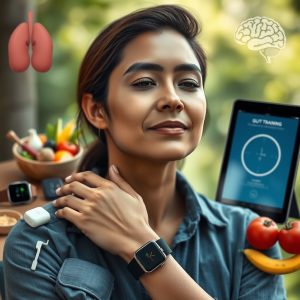
The Gut-Cognitive Nexus: How Wearable Tech, Gut Health, and Sleep Hygiene Are Redefining Mental Clarity and Longevity

In the quest for optimal health and longevity, the gut-brain axis has emerged as a critical frontier. This intricate connection between our gut microbiome and cognitive health is reshaping our understanding of mental clarity, stress resilience, and overall well-being. At the heart of this revolution are wearable health technologies, gut health interventions, and sleep hygiene practices, which are paving the way for a new era of preventive healthcare.
The Gut-Brain Connection
The gut-brain axis is a bidirectional communication system that involves the enteric nervous system, the vagus nerve, and immune cells. Research has shown that the gut microbiome, the vast community of microorganisms living in our digestive system, plays a significant role in shaping our mental health. For instance, studies have linked gut health to mood disorders, anxiety, and even cognitive function. This connection is not merely anecdotal; it’s backed by scientific evidence, making it a compelling area of study for researchers and health enthusiasts alike.
The Role of Wearable Health Technology
Wearable health technology has become a game-changer in monitoring and improving gut health and cognitive function. Devices like continuous glucose monitors, smartwatches, and even ingestible sensors provide real-time data on various health metrics, including heart rate, sleep patterns, and even gut motility. By tracking these metrics, individuals can gain valuable insights into their gut-brain health and make informed decisions about their lifestyle and diet.
For example, continuous glucose monitoring can help individuals understand how their diet and lifestyle choices affect their blood sugar levels and overall metabolic health. This, in turn, can have a positive impact on their gut health and cognitive function. Similarly, smartwatches and fitness trackers can monitor sleep patterns, which are crucial for gut health and cognitive function. By promoting better sleep hygiene, these devices can help individuals optimize their gut-brain health.
The Impact of Gut Health on Cognitive Function
Gut health is intricately linked to cognitive function. The gut microbiome influences the production of neurotransmitters, which are chemicals that transmit signals between nerve cells in the brain. For instance, the amino acid tryptophan, which is essential for the production of serotonin, is synthesized in the gut. Serotonin, a neurotransmitter, plays a crucial role in regulating mood, sleep, and appetite.
Moreover, the gut microbiome can influence the production of short-chain fatty acids (SCFAs), which are produced when bacteria in the gut ferment dietary fiber. SCFAs have been shown to have a protective effect on the brain, potentially reducing the risk of neurodegenerative diseases and cognitive decline. By promoting gut health, individuals can enhance their cognitive function and overall mental clarity.
The Role of Sleep Hygiene in Gut-Brain Health
Sleep hygiene is a critical component of gut-brain health. Poor sleep can negatively impact gut health, leading to inflammation and dysbiosis, or an imbalance in the gut microbiome. Conversely, good sleep can promote gut health and cognitive function. For instance, sleep deprivation has been linked to increased cortisol levels, a stress hormone that can negatively impact gut health and cognitive function.
By promoting better sleep hygiene, individuals can optimize their gut-brain health. This can involve creating a sleep-friendly environment, maintaining a consistent sleep schedule, and avoiding screens before bed. By prioritizing sleep hygiene, individuals can enhance their cognitive function and overall mental clarity.
Integrating Wearable Tech, Gut Health, and Sleep Hygiene
The integration of wearable health technology, gut health interventions, and sleep hygiene practices offers a holistic approach to optimizing gut-brain health. By monitoring their health metrics, individuals can gain valuable insights into their gut-brain health and make informed decisions about their lifestyle and diet. For instance, if an individual notices a decline in their cognitive function, they can use wearable technology to track their sleep patterns and gut health, and make adjustments as needed.
Moreover, by promoting better sleep hygiene and gut health, individuals can enhance their cognitive function and overall mental clarity. This holistic approach to health can lead to improved quality of life and increased longevity. As wearable health technology continues to evolve, it will play an increasingly important role in optimizing gut-brain health and promoting mental clarity and longevity.
In the quest for optimal health and longevity, the gut-brain axis offers a wealth of opportunities for innovation and discovery. By leveraging wearable health technology, promoting gut health, and prioritizing sleep hygiene, individuals can optimize their gut-brain health and enhance their cognitive function and overall mental clarity. As we continue to unravel the complexities of the gut-brain axis, we can look forward to a future where mental clarity and longevity are within reach for all.