The Gut-Brain Dialogue: How Personalized Nutrition and Wearable Tech Are Decoding Mental Health Through the Microbiome
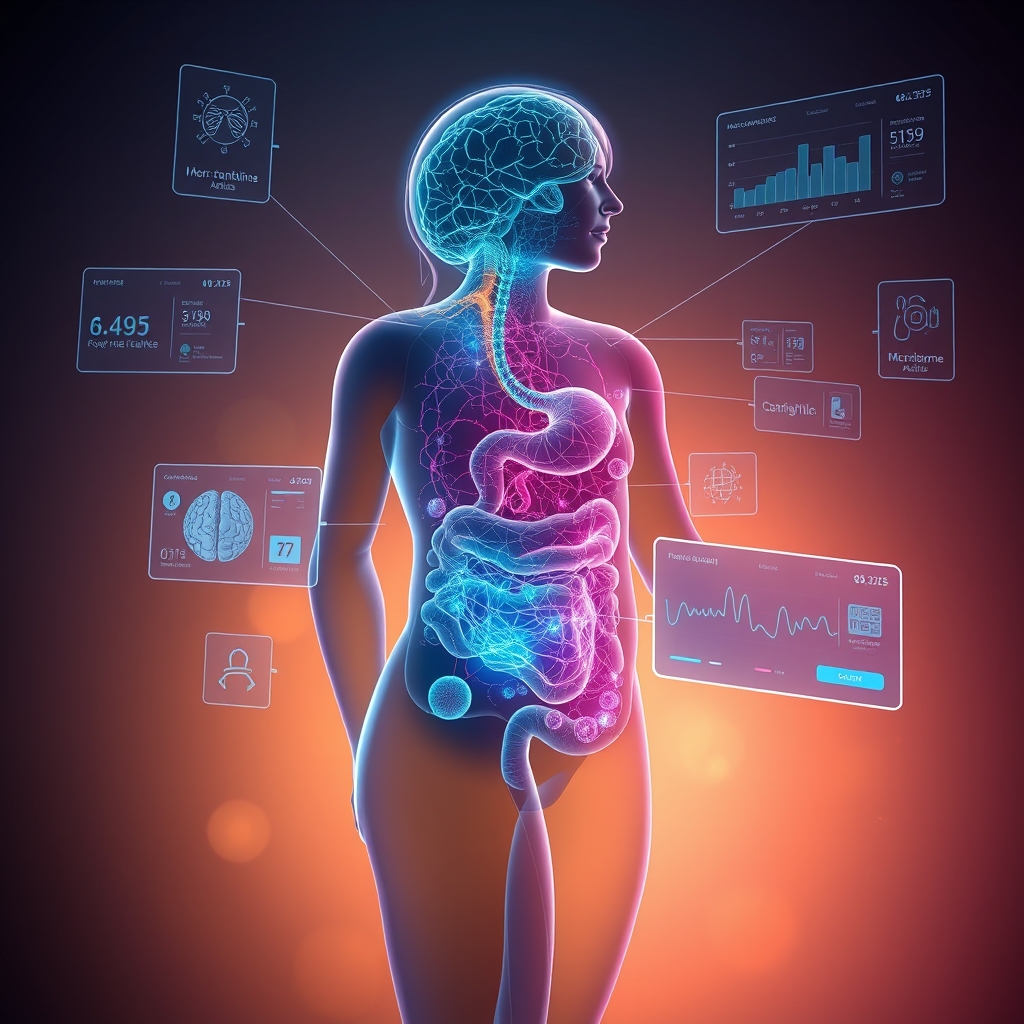
The conversation between your gut and brain is far more intricate than once imagined. Emerging research reveals that the trillions of microbes residing in your digestive tract don’t just influence digestion—they play a pivotal role in shaping mood, cognition, and even resilience to stress. This gut-brain axis, a bidirectional communication highway, is now at the forefront of a revolution in mental health, where personalized nutrition and wearable technology are converging to decode its secrets.
The Microbiome’s Role in Mental Health
The gut microbiome, a dynamic ecosystem of bacteria, viruses, and fungi, produces neurotransmitters like serotonin, dopamine, and GABA—chemicals that regulate mood, anxiety, and focus. In fact, nearly 90% of serotonin, often called the “feel-good” neurotransmitter, is synthesized in the gut. When this microbial balance is disrupted, whether by poor diet, chronic stress, or antibiotics, it can contribute to conditions like depression, anxiety, and even neurodegenerative diseases.
Studies have shown that individuals with mental health disorders often exhibit distinct microbial profiles compared to those without such conditions. For example, a depletion of certain beneficial bacteria, such as Lactobacillus and Bifidobacterium, has been linked to increased inflammation and heightened stress responses. Conversely, a diverse and balanced microbiome is associated with improved emotional regulation and cognitive function.
Personalized Nutrition: Feeding the Gut for Mental Resilience
The idea that “you are what you eat” takes on new meaning when considering the gut-brain connection. Personalized nutrition, tailored to an individual’s unique microbiome, is emerging as a powerful tool for enhancing mental health. Unlike generic dietary advice, personalized nutrition leverages data from stool tests, genetic profiling, and even wearable devices to create a diet that optimizes microbial diversity and function.
For instance, fermented foods like kimchi, sauerkraut, and kefir introduce beneficial probiotics that can bolster gut health. Prebiotic fibers found in foods like garlic, onions, and asparagus feed these microbes, encouraging their growth. Meanwhile, omega-3 fatty acids, abundant in fatty fish and flaxseeds, have been shown to reduce inflammation and support brain health. By aligning diet with the specific needs of an individual’s microbiome, personalized nutrition can help mitigate symptoms of anxiety, depression, and brain fog.
Wearable Tech: Bridging the Gap Between Gut and Mind
Wearable health technology is revolutionizing how we monitor and interpret the gut-brain dialogue. Devices like continuous glucose monitors (CGMs), smartwatches, and even emerging gut-sensing wearables provide real-time data on how diet, stress, and lifestyle choices impact both metabolic and mental health. For example, a CGM can reveal how blood sugar fluctuations—often influenced by gut bacteria—correlate with mood swings or energy crashes.
Beyond glucose monitoring, wearables track heart rate variability (HRV), a key indicator of stress resilience. HRV reflects the balance between the sympathetic (fight-or-flight) and parasympathetic (rest-and-digest) nervous systems, offering insights into how well the body is managing stress. When paired with microbiome data, these metrics can help individuals identify patterns—such as how certain foods or sleep disruptions affect their mental state—and make informed adjustments to their routines.
Digital Therapeutics: The Next Frontier in Gut-Brain Health
The integration of digital therapeutics with gut-brain research is opening new avenues for mental health care. Apps and platforms that combine microbiome testing with behavioral interventions—such as cognitive behavioral therapy (CBT) or mindfulness training—are helping users make data-driven decisions to improve their mental well-being. For example, some platforms use AI to analyze microbiome data and recommend personalized dietary and lifestyle changes, while others offer guided meditation or stress-reduction techniques tailored to an individual’s physiological responses.
These tools are particularly valuable for those who may not have access to traditional mental health care. By democratizing access to personalized interventions, digital therapeutics are empowering individuals to take control of their mental health in ways that were previously unimaginable.
The Future of Mental Health: A Holistic Approach
As our understanding of the gut-brain axis deepens, it’s becoming clear that mental health cannot be addressed in isolation. The future of mental wellness lies in a holistic approach that considers the interplay between diet, microbiome health, stress management, and technology. Personalized nutrition, wearable tech, and digital therapeutics are not just tools—they are the building blocks of a new paradigm in mental health care, one that recognizes the body and mind as interconnected systems.
The journey to optimal mental health is no longer about treating symptoms in isolation but about nurturing the entire ecosystem that supports cognitive and emotional well-being. By harnessing the power of the gut-brain connection, we can unlock new pathways to resilience, clarity, and vitality—one microbe, one meal, and one data point at a time. The dialogue between your gut and brain is ongoing, and with the right tools, you can learn to listen, understand, and respond in ways that transform your mental health for the better.