The Rising Tide of Antimicrobial Resistance: How Modern Medicine’s Greatest Weapon is Losing Its Edge
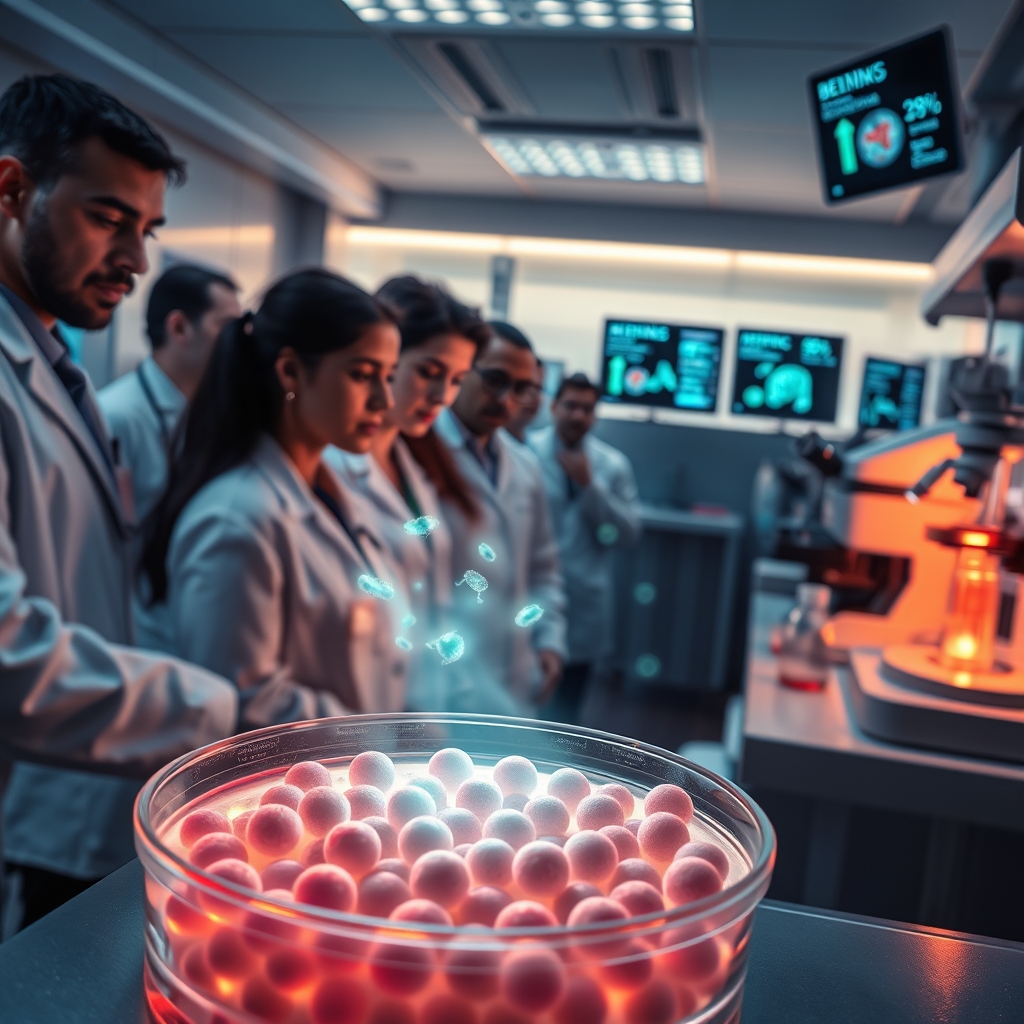
In the early 20th century, the discovery of antibiotics revolutionized medicine, turning once-deadly infections into manageable conditions. Penicillin, the first widely used antibiotic, saved countless lives during World War II and beyond, ushering in an era of medical optimism. Yet, less than a century later, that optimism is fading. The overuse and misuse of these life-saving drugs have given rise to a silent but relentless crisis: antimicrobial resistance (AMR). Bacteria, viruses, fungi, and parasites are evolving at an alarming rate, rendering once-effective treatments useless. The consequences are dire, threatening to undo decades of medical progress and plunge global health into a precarious new reality.
The Mechanics of Resistance: How Microbes Outsmart Medicine
Antimicrobial resistance occurs when microorganisms undergo genetic changes that allow them to survive exposure to drugs designed to kill them. This process is a natural part of evolution, but human activity has dramatically accelerated it. Overprescribing antibiotics for viral infections, such as the common cold or flu, is one of the primary drivers. Since antibiotics are ineffective against viruses, their unnecessary use exposes bacteria to the drugs without any benefit, giving them more opportunities to develop resistance. Similarly, in agriculture, antibiotics are often used not just to treat sick animals but to promote growth, further fueling the problem.
Another critical factor is incomplete treatment. When patients fail to complete a full course of antibiotics, some bacteria may survive and develop resistance. These resilient strains can then spread, either directly from person to person or through contaminated food, water, or environmental surfaces. The result is a growing list of “superbugs”—pathogens like Methicillin-resistant Staphylococcus aureus (MRSA), Carbapenem-resistant Enterobacteriaceae (CRE), and Multidrug-resistant tuberculosis (MDR-TB)—that defy conventional treatment and leave doctors with limited options.
The Human Cost: When Infections Become Untreatable
The impact of AMR is already being felt worldwide. According to the World Health Organization (WHO), drug-resistant infections cause at least 700,000 deaths annually, a number projected to rise to 10 million by 2050 if current trends continue. Simple surgeries, chemotherapy, and even childbirth could become high-risk procedures as the threat of untreatable infections looms. In low- and middle-income countries, where healthcare infrastructure is often fragile, the burden is even heavier. Limited access to diagnostic tools and second-line antibiotics means that resistant infections can spread rapidly, exacerbating existing health disparities.
One of the most concerning aspects of AMR is its potential to reverse progress in treating other conditions. For example, tuberculosis (TB), once on the decline, is resurging in drug-resistant forms. In 2022, the WHO reported nearly half a million cases of rifampicin-resistant TB, a strain that requires longer, more toxic, and far more expensive treatment regimens. Similarly, gonorrhea, a common sexually transmitted infection, is becoming increasingly resistant to first-line antibiotics, raising fears of a future where the disease becomes untreatable.
The Economic Toll: A Looming Crisis for Healthcare Systems
Beyond the human cost, AMR poses a significant economic threat. The World Bank estimates that by 2050, antimicrobial resistance could push up to 28 million people into extreme poverty, primarily due to the increased cost of healthcare and lost productivity. Hospital stays for patients with resistant infections are longer and more expensive, straining already overburdened healthcare systems. In the United States alone, the Centers for Disease Control and Prevention (CDC) estimates that AMR adds $20 billion in direct healthcare costs annually, with an additional $35 billion in lost productivity.
The pharmaceutical industry, too, is feeling the strain. Developing new antibiotics is a costly and time-consuming process, with no guarantee of success. Unlike drugs for chronic conditions, which generate steady revenue, antibiotics are used sparingly to preserve their effectiveness, making them less profitable. As a result, many pharmaceutical companies have abandoned antibiotic research, leaving a gaping hole in the pipeline for new treatments. Without urgent action, the world could face a future where even minor infections become life-threatening, and routine medical procedures carry unacceptable risks.
Global Efforts to Combat AMR: Progress and Challenges
Recognizing the severity of the crisis, governments and international organizations have begun taking steps to address AMR. In 2015, the WHO launched the Global Action Plan on Antimicrobial Resistance, outlining five strategic objectives: improving awareness and understanding, strengthening surveillance and research, reducing the incidence of infection, optimizing the use of antimicrobials, and ensuring sustainable investment in new medicines and diagnostics. Many countries have since developed national action plans, though implementation remains uneven.
One of the most promising developments is the push for antimicrobial stewardship programs, which aim to promote the responsible use of antibiotics in healthcare settings. These programs involve educating clinicians, monitoring prescribing practices, and implementing guidelines to ensure antibiotics are used only when necessary. In agriculture, some countries have banned the use of antibiotics for growth promotion, though enforcement remains a challenge, particularly in regions with lax regulations.
Innovation is also critical. Researchers are exploring alternative treatments, such as bacteriophages—viruses that target and kill specific bacteria—as well as vaccines and immune-boosting therapies. Advances in rapid diagnostic tools could help doctors identify infections more quickly and prescribe the most appropriate treatment, reducing unnecessary antibiotic use. However, these solutions are still in their infancy, and scaling them up will require significant investment and political will.
The Role of Individuals: What You Can Do
While systemic change is essential, individuals also play a crucial role in combating AMR. Simple actions, such as completing a full course of antibiotics as prescribed, never sharing or using leftover antibiotics, and practicing good hygiene to prevent infections, can make a difference. Advocating for stronger regulations on antibiotic use in agriculture and supporting organizations working to develop new treatments are also ways to contribute to the solution.
Public awareness is another key factor. Many people still believe that antibiotics can treat viral infections, leading to unnecessary prescriptions and self-medication. Education campaigns can help dispel these myths and encourage more responsible behavior. Schools, community centers, and healthcare providers all have a part to play in spreading accurate information about the risks of AMR and the importance of preserving the effectiveness of existing antibiotics.
The fight against antimicrobial resistance is one of the defining challenges of our time. It requires a coordinated global response, combining scientific innovation, policy reform, and individual action. The consequences of failure are too great to ignore—without urgent intervention, we risk entering a post-antibiotic era where common infections and minor injuries once again become deadly. The time to act is now, before the tide of resistance rises beyond our control, and the miracle of modern medicine is lost to the relentless march of evolution.