The Future of Cognitive Health: How Psychedelic Therapy, Digital Therapeutics, and Gut Microbiome Insights Are Unlocking the Mind’s Potential
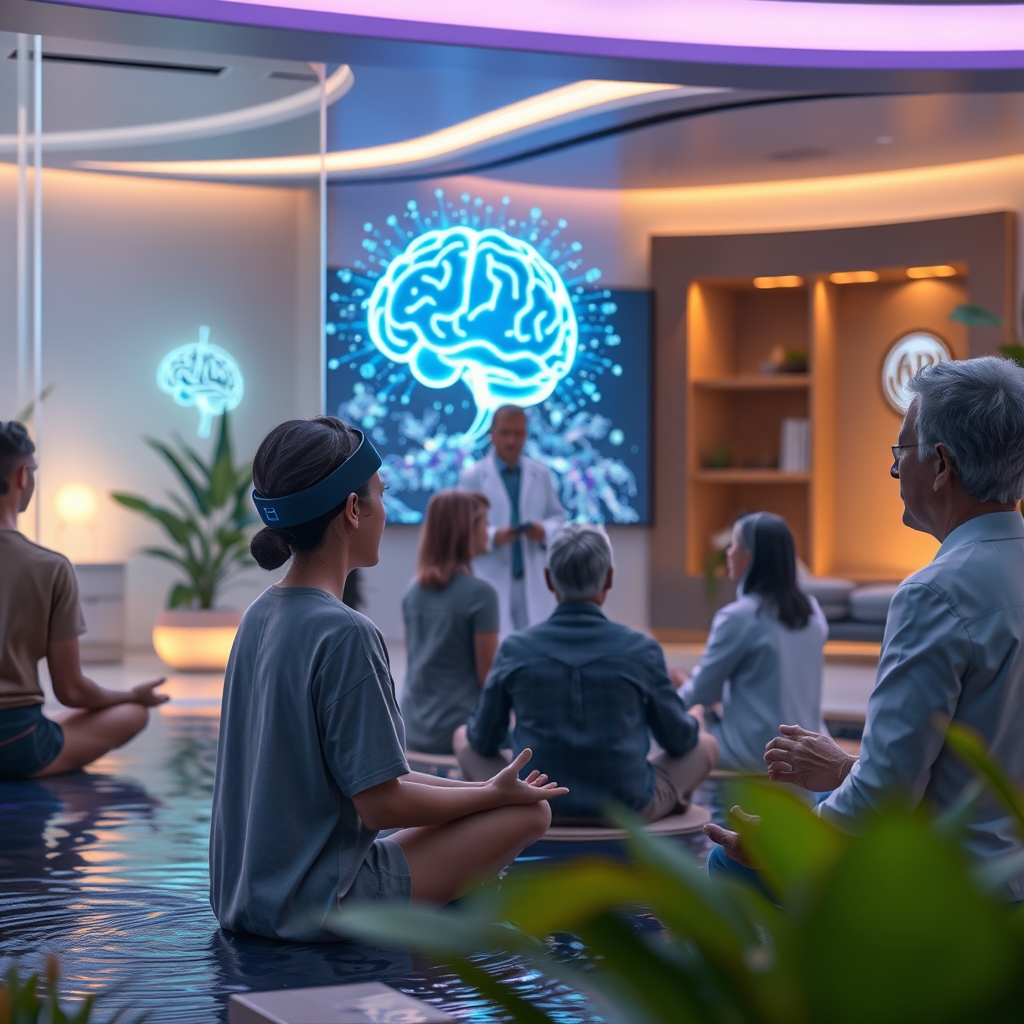
The human brain remains one of the most complex and least understood frontiers of modern science. Yet, recent breakthroughs in psychedelic therapy, digital therapeutics, and microbiome research are beginning to illuminate pathways to cognitive resilience, mental clarity, and even the reversal of neurodegenerative decline. These innovations are not just reshaping our understanding of the mind—they are redefining what it means to optimize cognitive health in an era of chronic stress, digital overload, and aging populations.
The Psychedelic Renaissance: Healing the Mind at Its Roots
For decades, psychedelics like psilocybin, MDMA, and LSD were relegated to the fringes of medicine, stigmatized by their association with counterculture movements. Today, they are at the forefront of a mental health revolution. Clinical trials have demonstrated that psilocybin, the active compound in “magic mushrooms,” can induce profound, lasting changes in brain connectivity, effectively “resetting” neural pathways associated with depression, PTSD, and anxiety. Unlike traditional antidepressants, which often require lifelong use, psychedelic-assisted therapy can produce transformative results in just one or two sessions.
Research from institutions like Johns Hopkins and Imperial College London reveals that psychedelics promote neuroplasticity—the brain’s ability to form new connections—by temporarily dissolving the default mode network (DMN), a brain system linked to self-referential thoughts and rumination. This dissolution allows patients to break free from rigid thought patterns, offering a fresh perspective on trauma, addiction, and existential distress. As regulatory barriers slowly lift, psychedelic therapy is poised to become a cornerstone of cognitive health, particularly for conditions resistant to conventional treatments.
Digital Therapeutics: The Brain’s New Software
While psychedelics work at a biological level, digital therapeutics are harnessing the power of technology to train the brain. These evidence-based interventions, delivered via apps, virtual reality (VR), and wearable devices, are designed to treat everything from ADHD and insomnia to cognitive decline in aging adults. One of the most promising applications is in the realm of neurofeedback, where real-time brainwave data helps users learn to regulate their mental states.
For example, VR-based exposure therapy is proving highly effective for PTSD, allowing patients to confront traumatic memories in a controlled, immersive environment. Meanwhile, apps like Akili Interactive’s EndeavorRX have received FDA clearance for treating pediatric ADHD, using gamified cognitive exercises to improve attention and impulse control. The beauty of digital therapeutics lies in their scalability—unlike traditional therapy, they can be accessed anytime, anywhere, democratizing mental health care for millions.
The Gut-Brain Axis: A Two-Way Conversation
Emerging research on the gut-brain axis is revealing that cognitive health is not just a matter of the mind but also of the microbiome. The trillions of bacteria residing in our intestines produce neurotransmitters like serotonin and dopamine, which play critical roles in mood, memory, and decision-making. Imbalances in gut bacteria have been linked to conditions such as Alzheimer’s, Parkinson’s, and even autism spectrum disorders.
Personalized nutrition, informed by microbiome testing, is becoming a powerful tool for cognitive optimization. Diets rich in polyphenols (found in berries, dark chocolate, and olive oil), omega-3 fatty acids, and fermented foods have been shown to enhance microbial diversity, reduce inflammation, and support brain function. Wearable tech, such as continuous glucose monitors (CGMs), is also helping individuals fine-tune their diets to stabilize blood sugar, which is crucial for preventing cognitive fog and long-term neurodegeneration.
Integrating Ancient Wisdom with Modern Science
The most effective cognitive health strategies often blend cutting-edge science with time-tested practices. For instance, psychedelic therapy is frequently paired with mindfulness meditation, which has been shown to enhance the therapeutic effects of psychedelics by preparing the mind for introspection. Similarly, somatic exercises—gentle, mindful movements that reconnect the body and mind—are being used to complement digital therapeutics, helping users ground themselves in the present moment and reduce stress.
Even intermittent fasting, an ancient practice with modern scientific backing, is gaining traction for its cognitive benefits. By promoting autophagy—a cellular cleanup process—fasting helps clear out damaged proteins in the brain, reducing the risk of neurodegenerative diseases. When combined with microbiome-friendly nutrition, fasting becomes a powerful tool for maintaining mental sharpness well into old age.
The Road Ahead: A Holistic Approach to Cognitive Resilience
The future of cognitive health lies in integration. Psychedelic therapy, digital therapeutics, and microbiome science are not standalone solutions but pieces of a larger puzzle. Wearable health technology, such as EEG headbands and smartwatches, is bridging the gap between these fields, providing real-time feedback on brain activity, stress levels, and metabolic health. This data empowers individuals to make informed decisions about their mental and physical well-being, from adjusting their diet to scheduling a psychedelic session.
As these technologies and therapies become more accessible, the potential for cognitive enhancement is limitless. Imagine a world where neurodegenerative diseases are not just managed but reversed, where mental health care is proactive rather than reactive, and where every individual has the tools to unlock their brain’s full potential. The journey has just begun, but the destination—a future where cognitive health is within everyone’s reach—is closer than we think.
The mind is not a static entity but a dynamic, ever-evolving landscape. By embracing the synergy of psychedelics, technology, and microbiome science, we are not just treating cognitive decline—we are redefining what it means to thrive. The question is no longer whether we can enhance our cognitive health, but how far we are willing to go to unlock the mind’s extraordinary capacity for growth and resilience.