Bioprinting Organs: The Revolutionary Leap Toward On-Demand Transplants and Lifesaving Solutions
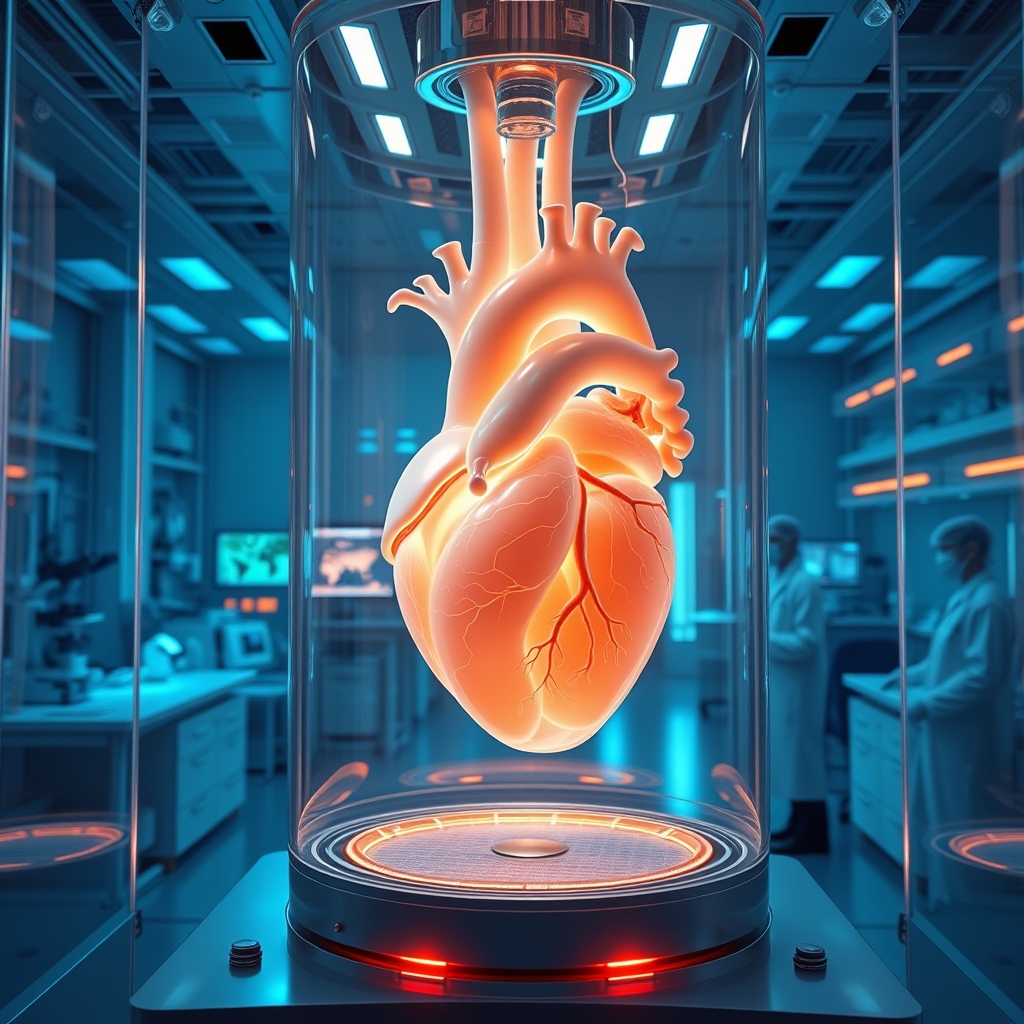
The quest for organ transplants has long been a race against time, with patients enduring lengthy waiting lists, immune rejection risks, and the emotional toll of uncertainty. But what if the future of transplantation didn’t rely on donors at all? What if organs could be printed on demand, tailored to the recipient’s biology, and ready for implantation within hours? This isn’t science fiction—it’s the promise of bioprinting, a groundbreaking fusion of biology, engineering, and regenerative medicine that is poised to redefine healthcare as we know it.
The Science Behind Bioprinting: How Does It Work?
Bioprinting is an additive manufacturing process that uses living cells, biomaterials, and growth factors to construct three-dimensional biological structures. Unlike traditional 3D printing, which layers plastic or metal, bioprinting assembles layers of bioink—a gelatinous substance containing cells—to create tissues and, eventually, entire organs. The process typically involves three key stages:
1. Imaging and Design
Before printing, a detailed 3D model of the organ is created using medical imaging techniques like CT or MRI scans. This digital blueprint ensures the printed organ matches the patient’s anatomy with precision, reducing the risk of complications post-transplant.
2. Bioink Preparation
Bioink is formulated using a patient’s own cells (often stem cells) suspended in a hydrogel or other biocompatible material. This step is critical because it determines the viability and functionality of the printed tissue. Researchers are exploring various cell types, including induced pluripotent stem cells (iPSCs), which can differentiate into any cell type in the body.
3. Layer-by-Layer Printing
The bioink is deposited layer by layer using specialized bioprinters, which can range from extrusion-based systems to laser-assisted or inkjet printers. The printer follows the digital model, carefully placing cells in the correct spatial arrangement to mimic natural tissue architecture. Once printed, the construct is incubated in a bioreactor, where it matures into functional tissue.
Breakthroughs and Milestones: Where Are We Now?
The field of bioprinting has made remarkable strides in recent years, moving from simple tissue constructs to complex, vascularized organs. Some of the most notable advancements include:
Printed Skin for Burn Victims
In 2021, researchers at the Wake Forest Institute for Regenerative Medicine successfully bioprinted skin directly onto burn wounds in preclinical models. The printed skin integrated with the surrounding tissue, accelerated healing, and reduced scarring. This technology could revolutionize burn care, eliminating the need for painful skin grafts and reducing recovery times.
Functional Mini-Organs and Organoids
Scientists have already bioprinted miniature versions of organs, such as hearts, livers, and kidneys, known as organoids. While not yet suitable for transplantation, these mini-organs are invaluable for drug testing, disease modeling, and studying organ development. For example, bioprinted liver organoids have been used to test the toxicity of new drugs, reducing the reliance on animal testing and speeding up the drug development process.
Vascularized Tissues: The Key to Scalability
One of the biggest challenges in bioprinting has been creating tissues with functional blood vessels. Without vascularization, printed organs cannot receive oxygen and nutrients, limiting their size and complexity. However, in 2023, a team at Harvard’s Wyss Institute developed a technique to bioprint vascularized tissues using a sacrificial ink that dissolves after printing, leaving behind a network of channels. This breakthrough brings us one step closer to printing full-sized, transplantable organs.
Challenges and Ethical Considerations
Despite its immense potential, bioprinting faces several hurdles before it can become a mainstream medical solution. These challenges span technical, ethical, and regulatory domains:
Technical Hurdles
Scaling up bioprinted organs to human size remains a significant obstacle. Organs like the heart or lungs are incredibly complex, with intricate networks of blood vessels, nerves, and specialized cells. Ensuring these structures function correctly post-printing is a monumental task. Additionally, maintaining cell viability during and after the printing process is critical—cells must survive, proliferate, and integrate with the host tissue.
Immune Rejection and Biocompatibility
While using a patient’s own cells reduces the risk of immune rejection, it doesn’t eliminate it entirely. The biomaterials used in bioink must be carefully selected to avoid triggering an immune response. Researchers are also exploring the use of immunosuppressive drugs or gene editing techniques to further minimize rejection risks.
Ethical and Regulatory Questions
Bioprinting raises ethical questions about the source of cells, the potential for creating “designer organs,” and the equitable distribution of this technology. Regulatory bodies like the FDA are still developing frameworks to evaluate the safety and efficacy of bioprinted organs, which could delay their clinical adoption. Additionally, the high cost of bioprinting technology may limit access to wealthy individuals or countries, exacerbating healthcare disparities.
The Future of Bioprinting: What’s Next?
The next decade could see bioprinting transition from the lab to the clinic, with several exciting developments on the horizon:
On-Demand Organ Printing
Imagine a world where hospitals have bioprinting facilities capable of producing organs on demand. Patients in need of a transplant could receive a custom-printed organ within days, eliminating waiting lists and reducing the risk of organ failure. Companies like Organovo and United Therapeutics are already investing heavily in this vision, with the goal of commercializing bioprinted organs within the next 5-10 years.
Personalized Medicine and Disease Modeling
Bioprinting could revolutionize personalized medicine by enabling the creation of patient-specific tissues for drug testing and disease research. For example, a bioprinted tumor model could help oncologists test the efficacy of cancer treatments before administering them to the patient, leading to more targeted and effective therapies.
Hybrid Organs and Bionic Enhancements
The future may also see the rise of hybrid organs, which combine bioprinted tissue with synthetic components like sensors or electrodes. These bionic organs could monitor health in real time, deliver targeted therapies, or even enhance human capabilities. For instance, a bioprinted pancreas with integrated glucose sensors could automatically release insulin in diabetic patients, eliminating the need for manual injections.
As bioprinting technology continues to evolve, it holds the potential to transform not just transplantation, but the entire healthcare landscape. The ability to print functional organs on demand could save millions of lives, reduce healthcare costs, and usher in a new era of regenerative medicine. While challenges remain, the progress made so far is a testament to human ingenuity and the relentless pursuit of innovation. The day when a patient receives a bioprinted heart or kidney may be closer than we think, and when it arrives, it will mark one of the most profound advancements in medical history—a future where no one has to wait for a second chance at life.